icnlive

WATCH LIVE. THINK BUSINESS.

© 2026 ICN.LIVE

ICN.live

  • Analysts expect the UAE longevity sector to reach 32 billion dollars by late 2026.
  • Cardiovascular disease causes around 45 per cent of all deaths across the GCC region.
  • Echelon Health brings Harley Street preventive diagnostics to clients across Dubai and the UAE.
  • A full clinical baseline now guides longevity plans for founders, executives and family offices.

UAE longevity sector growth now pushes many wealthy residents toward one urgent personal question. Before you fund a peptide plan, you want to know your real internal health. Founders, senior executives and family office principals across the country ask this same thing first. What is happening inside your body right now, before any protocol or programme begins? Echelon Health, a Harley Street preventive diagnostics provider, built its Dubai service to answer this. Analysts expect the wider market to reach 32 billion dollars by the end of 2026. Growth of this size makes a wrong or missed diagnosis far more costly for you.

Why the UAE longevity sector starts with a clinical baseline

Ahmed Elbarkouki, the Echelon Health CEO, draws a sharp line around most routine checks. Standard tests only place you in a risk category built from wider population data. They tell you almost nothing about your own body as a single, specific person. To see you clearly, doctors must look inside using the right scan for each disease. Specialist radiologists in the UK then review every image from head to toe carefully. Elbarkouki compares weak testing to slow transport when both speed and real accuracy matter. He framed the goal simply, saying, “Any activity you do to improve your health is welcome.” A baseline, in his view, must come before any protocol earns your time or money.

Why hidden risk stays the real danger

Cardiovascular disease still causes about 45 per cent of all deaths across the GCC today. Imperial College London research links half of deaths under 70 in the Gulf to it. Most of these cases stay preventable when a scan finds the problem early enough. Many Echelon clients feel well and fit, yet a quiet risk sometimes hides inside them. One clear finding, caught with zero symptoms, can change or even save a person’s life. Echelon’s Platinum Plus assessment runs in five and a half hours across your whole body. This preventive health assessment combines 3 Tesla MRI, CT, ultrasound, and over 40 blood parameters. Specialist UK radiologists read the scans before a Harley Street physician meets you in person. Detection rates reach 92 per cent for men and 95 per cent for women.

How the UAE longevity sector fits a bigger plan

The wider longevity market in the UAE now moves fast, with new clinics and protocols each month. Dubai Longevity Authority rules, created by Law No. 17 of 2026, now guide operators. Its work supports healthy ageing UAE goals and gives serious investors more regulatory certainty. Imaging for Echelon runs at The Doctors Center in Jumeirah 3, a Canon reference site. From my standpoint, a clinical baseline turns every later longevity choice into an informed one. Strong preventive diagnostics Dubai services now make every other longevity choice rational and personal. The UAE longevity sector rewards people who start with facts about their own bodies. You fix sleep, nutrition, and stress once a real baseline shows you where you stand. After a baseline, cryotherapy or NAD drips make sense because your numbers now guide them.


TAGS

EXPLORE MORE ON:

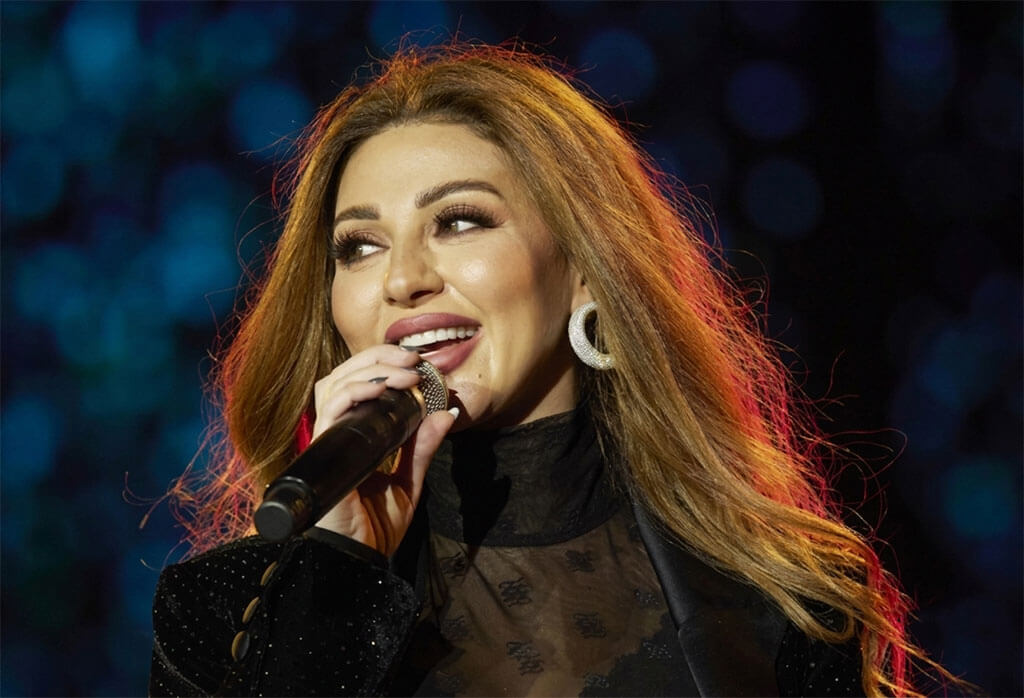
Myriam Fares first concert in the Netherlands

Myriam Fares’ first concert in the Netherlands is scheduled for Friday, October 2, 2026, at Het Concertgebouw in Amsterdam. The Lebanese singer will share the stage with her full live band. SOUK Amsterdam Arabic Festival presents the show, and an afterparty follows the performance. This date is her Dutch debut after more than two decades on stage.

Who is Myriam Fares

Fares is known across the Arab world as The Queen of Stage. Her career began in 2003 and has spanned more than twenty years. Live shows blend Arabic musical traditions and instruments with modern pop, choreography and dance. She works as a singer, performer and songwriter, drawing on influences from several parts of the Arab world. Beyond music, she has also worked as an actress, producer and entrepreneur.

The venue sits at the center of the plan. Het Concertgebouw Amsterdam ranks among the city’s best-known concert halls, and it has hosted the SOUK festival in past years. This edition places Fares in the Main Hall with her own band. The concert brings the performer to Dutch audiences for the first time. Arabic pop, dance and live music fill the evening inside the historic building. Myriam Fares’ first concert in the Netherlands caps a run of high-profile appearances abroad.

Recent releases and tour dates

Fares performed during the Qatar Formula 1 Grand Prix. She reached a wider global audience with Tukoh Taka, the official FIFA Fan Festival anthem for the 2022 World Cup, recorded with Nicki Minaj and Maluma. Her track Goumi became a global dance hit, with millions of people joining its challenge on TikTok. A Netflix documentary, Myriam Fares: The Journey, gave viewers a closer look at her personal life and creative work. Recent Myriam Fares tour dates and stage shows have carried her across the region and further afield. In 2025, she released La Habibi. Her latest single, Ma Btaarefne, arrived in June 2026 through her own label, Myriam Music.

How to attend the concert in the Netherlands

Planning for the first concert in the Netherlands starts with the ticket date. Myriam Fares concert tickets go on sale on Friday, August 7, 2026. SOUK Amsterdam Arabic Festival organizes the event, so ticket details run through the festival and the venue. The Main Hall seating and the planned afterparty give attendees a full evening rather than a short set. For fans across Europe, Myriam Fares’ first concert in the Netherlands offers a rare chance to see the performer live in the region. The date falls on a Friday, which suits travel plans for visitors from nearby countries.

Al Balad Development Company

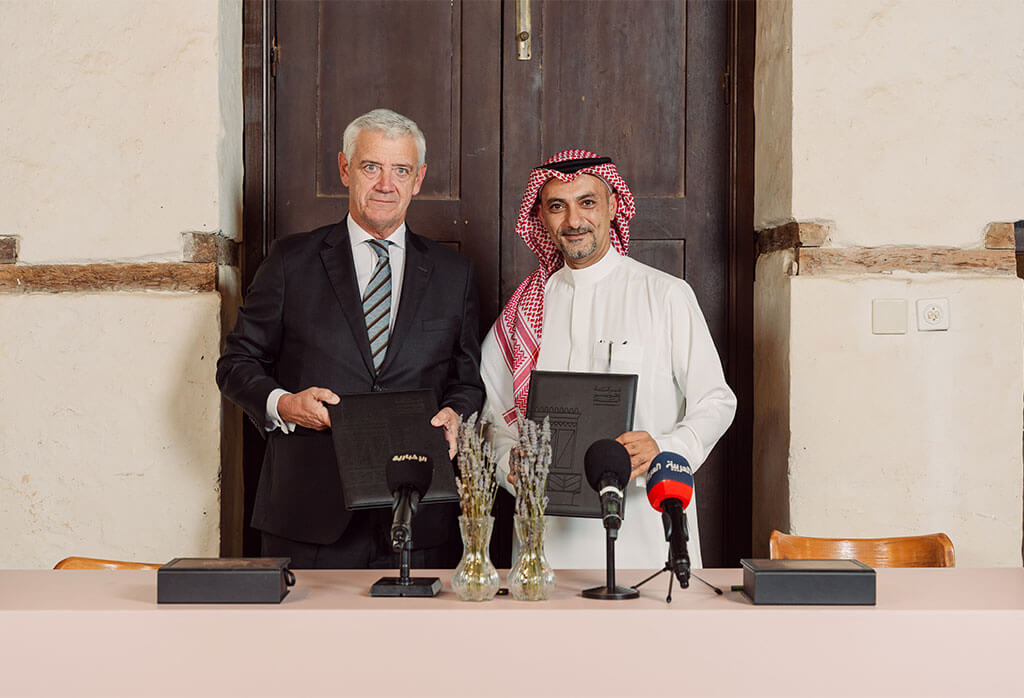
The Al Balad Development Company’s partnership with Al Ittihad Club has moved to platinum sponsorship, a step that links a football club to the long effort to rebuild one of Saudi Arabia’s oldest urban districts. This Al Ittihad Club platinum sponsorship replaces the silver tier the two sides agreed in 2023. It shifts the relationship from media and marketing visibility toward a season-long program of activities connected to Historic Jeddah.

Al Balad Development Company, known as BDC, is wholly owned by the Public Investment Fund. It serves as the master developer of the Jeddah Historical District, the walled old town listed as a UNESCO World Heritage Site. Al Ittihad Club, founded in Jeddah in 1927, is the oldest sports club in the country and carries a large regional following. Placing the two side by side puts heritage development next to one of the city’s most visible cultural assets.

What the agreement covers

Under the agreement, presented on their official website, both sides will draw on a range of media and marketing assets alongside community initiatives and events across the season. The activities will promote the cultural offerings of Historic Jeddah and BDC’s own projects. Shared content, supporter experiences, and district events form the core of the plan. The intent is to pull fans closer to the old town and to raise engagement with the district among younger residents.

Jamil Hassan Ghaznawi, CEO of Al Balad Development Company, said the partnership would help promote the company’s projects, attract visitors and investors, and support economic activity in the area. He noted the collaboration builds on the club’s long connection with Jeddah and its supporter base. The focus, he said, would fall on experiences that join sport, culture, and the historic district.

“We believe that reviving Historic Jeddah extends beyond urban regeneration to fostering sustainable connections between people and their environment. Partnering with Al Ittihad Club, backed by its massive fanbase is a pivotal step forward. It allows us to showcase our projects, attract visitors and investors, and drive regional economic activity.”, Jamil Hassan Ghaznawi said.

The Al Balad Development Company partnership and Vision 2030

The Al Balad Development Company partnership sits inside a wider structural shift. BDC works under the Public Investment Fund’s strategy and under Saudi Vision 2030, the plan to move the economy away from oil. Tourism, hospitality, and cultural sectors carry a defined role in that plan. A sponsorship that fills stadiums and feeds social channels becomes a route to an audience for a development brand that needs one.

Domingos Soares, CEO of Al Ittihad Club, said the club’s long relationship with Jeddah and its community gave the expanded partnership a firm base. He added the sponsorship would support work designed to bring supporters closer to the cultural and social life of the old district while adding value for fans and the city.

A club as a development tool

The reasoning is direct. BDC is developing roughly 2.5 million square meters of the historic core, with plans for homes, hotels, and commercial space, while keeping the district’s architectural character. A project on that scale needs footfall and attention. Al Ittihad supplies both.

The Al Balad Development Company partnership also shows how PIF-owned entities now work in concert. PIF holds a majority stake in Al Ittihad and full ownership of BDC. Sponsorship between the two keeps investment and messaging inside one portfolio. For the district, the return will show less in logo placement and more in whether the club’s supporters follow their team into Historic Jeddah’s streets, hotels, and cultural venues over the season ahead.

Photo Credit: The Al Balad Development Company

World Bank grants $100 million to Syria

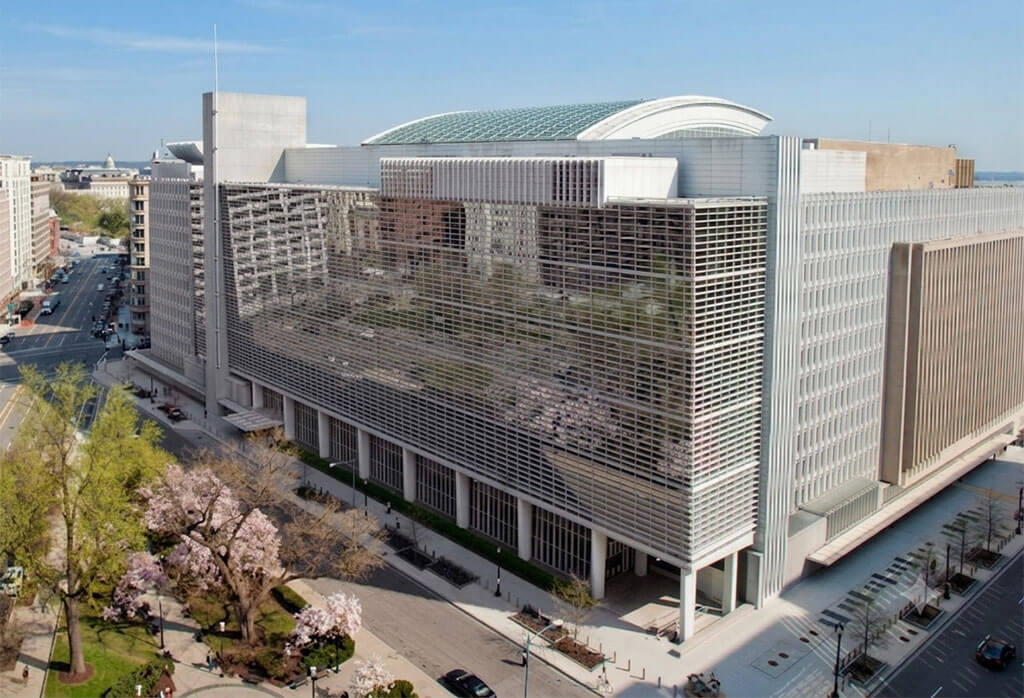
The World Bank grants $100 million to Syria to rebuild the foundations of a financial system worn down by more than a decade of conflict. Delivered as a grant from the International Development Association, the Bank’s arm for its poorest borrowers, the money will fund the Syria Financial Sector Modernization Project. That program is built to make payments safer and to widen access to banking. Behind the headline figure sits a harder question about governance, one about who will oversee the funds and to what standard.

A sector rebuilt from cash upward

After 14 years of war, Syria’s banking system remains small and leans heavily on cash. Financial intermediation is thin, digital payment infrastructure is dated, and supervision has weakened. These gaps raise the cost of every transaction and keep the country cut off from the international channels that trade and investment depend on. The project aims to operationalize core financial systems and to enable at least 15 million electronic retail payments a year. It also aims to bring 500,000 people and businesses into digital payments, among them 150,000 women. Expanding Syria’s digital payments sits at the center of the plan, which the World Bank frames as a route toward wider financial inclusion.

Why the World Bank grants $100 million to Syria now

Timing reflects a shift in how Damascus and the Bank work together. In May 2025, Saudi Arabia and Qatar cleared Syria’s arrears to the International Development Association, which restored the country’s eligibility for financing after a 14-year suspension. A month later, the Bank approved a $146 million grant for emergency electricity, its first Syrian project in nearly four decades. Finance Minister Mohamed Yisr Barnieh has said the Bank endorsed Syria’s economic reform plans for 2026. The latest decision, in which the World Bank grants $100 million to Syria, carries that reengagement into the heart of the financial system.

Oversight, integrity, and accountability

Much of the grant targets control rather than cash. The plan funds independent asset quality reviews across public and private banks, a step meant to show regulators the true health of the system. It strengthens risk-based supervision and rebuilds the Central Bank of Syria’s core systems, from its banking platform to its cybersecurity. Investment will also flow to anti-money laundering and counter-terrorism financing tools, and to the Financial Intelligence Unit that runs them. Dalia Khalifa, the World Bank’s director for the Middle East, tied the project to Syria’s economic recovery, calling a modern financial system essential to the country’s future.

A test of standards

Governor Mohamed Safwat Raslan called the approval a milestone for the country’s banking infrastructure and a step toward standards used across global finance. He told the Syrian Arab News Agency the Central Bank would keep working to restore confidence and to return Syria to the international financial system. The International Development Association grant carries no repayment obligation, which lowers the fiscal risk for a state whose revenues have fallen sharply since 2011. Whether the reforms hold will depend on the strength of the new oversight. When the World Bank grants $100 million to Syria, the harder task is not the transfer but the accountability that comes after.

Share this post

on your favourite social platforms

or copy the link