icnlive

ICN.live

Leila Al-Khatib

  • The UAE Cabinet set fifteen as the minimum age for social media use.
  • Children aged fifteen to sixteen gain access only under strict protective controls.
  • Platforms have twelve months to apply age checks and new safety tools.
  • Parental consent will not exempt any child from the new restrictions.

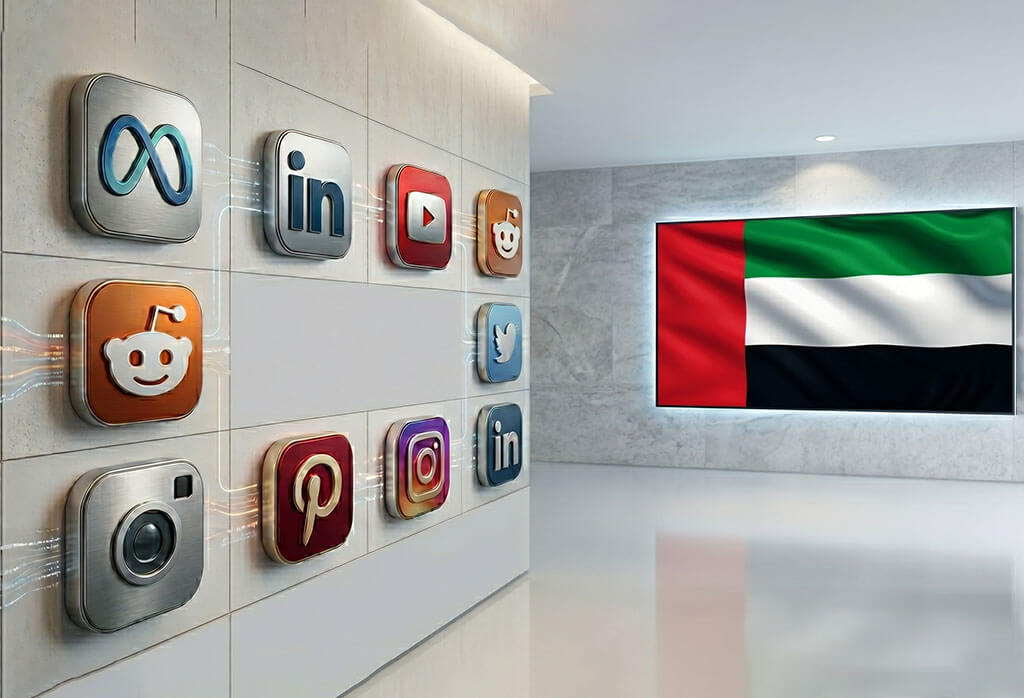
UAE bans social media for under-15s, and this new rule reshapes life for many families. The UAE Cabinet resolution sets the minimum age for social media use at fifteen years. Children below this age cannot create, use, or operate personal accounts on these platforms. Officials want to shield young users from harmful content and unsafe contact with strangers.

The UAE social media ban covers all platforms available in the country, free or paid. This single rule reaches Facebook, Instagram, TikTok, YouTube, and other large interactive online networks. Sheikh Mohammed bin Rashid, Vice President and Ruler of Dubai, chaired the Cabinet behind it. The Cabinet described the main goal as building “an advanced model for child protection.”

You should know parental consent will not exempt any child from these strict limits. Children aged fifteen to sixteen gain limited access under tight new protective controls instead. These accounts face age-based content filters, usage time limits, and disabled high-risk contact features. Parents can adjust these settings through the control tools that the platforms must provide for them. The resolution gives social media companies up to twelve months to follow every rule.

WHY THE UAE BANS SOCIAL MEDIA FOR UNDER-15S MATTERS NOW

The UAE bans social media for under-15s partly because of rising mental health worries. Studies link heavy use to anxiety, attention problems, and poorer sleep among young people. One 2024 survey found that UAE children spend about three hours daily on these platforms. From my standpoint, these under-15 social media rules answer real and growing family concerns. The UAE has also become the first Arab nation to apply such a strict limit.

Australia, Britain, and several other European countries have set similar limits on teen accounts. Critics argue that strict bans can push some teens toward hidden and less safe spaces. Supporters reply that strong limits reduce harm and give parents clearer ground to set rules. Other nations watch the UAE closely as they weigh similar steps for young users.

Social media age verification has now become the core challenge for every affected online platform. Self-declared ages will not count, so platforms need accurate and reliable age-checking systems. Approved methods include digital identity tools and AI-supported checks, such as biometric scanning systems. Platforms must protect the data they collect and keep it only as long as needed. Regular audits will then check whether these age systems work with strong privacy safeguards.

BUILDING A SAFER CHILD PROTECTION DIGITAL SPACE FOR YOUNG USERS

The new child protection digital space puts young users ahead of platform profit goals. Platforms also cannot target children with personalised ads built on tracking or behaviour profiling. The National Media Authority and the telecom regulator will watch every company for compliance. Regulators can warn, block, or fine platforms when they ignore these clear new rules.

Again, the UAE bans social media for under-15s to keep its youngest users safer. For your family, the UAE bans social media for under-15s with real enforcement behind it. You and other parents now hold clear tools to guide safer digital habits at home. The twelve-month window gives these companies time to build and test new safety systems. Your awareness of these rules helps children build calmer and healthier daily screen habits.

TAGS

EXPLORE MORE ON:

UAE bans social media for under-15s
OpenAI files for IPO

OpenAI files for IPO, a step toward one of the biggest market debuts ever seen. The company submitted a confidential draft registration statement to federal securities regulators this month. This move sets up a possible payday for early backers and longtime staff members. Sam Altman announced the filing himself in a blog post, expecting the news to leak. He told the public a listing might wait because some plans suit a private firm. For everyday investors, this raises one clear question about access to OpenAI stock today. You cannot buy shares yet because the company remains private during this filing stage. A confidential filing lets large firms share detailed numbers with regulators in private first. Markets will see the full picture later, once the company files its public prospectus.

Why OpenAI files for IPO at this moment

The timing reflects a wider rush among artificial intelligence firms toward public markets now. Anthropic, a chief rival, filed its own paperwork about one week before this announcement. SpaceX also plans an early debut, which adds pressure across the whole sector right now. Together, these listings might total hundreds of billions of dollars in fresh share sales. These three debuts will test whether public buyers still want big, money-losing AI names. Reporters rank the OpenAI IPO among the largest possible debuts in stock market history. When OpenAI files for IPO, early staff and backers see a clear path to cash. Money is the core reason behind this decision by the company and its leaders.

The cash behind the OpenAI valuation

OpenAI pours billions into computing power, data centers, and the chips used for training. Public markets offer a deep pool of cash to fund this heavy ongoing spending. The last private funding round valued the firm at 852 billion dollars in March. This OpenAI valuation now faces real scrutiny once true numbers reach the wider public. Investors learned the firm spends about 2.20 dollars for every single dollar it earns. Critics ask whether such spending fits a clear path to steady future profit margins. Sam Altman knows the public will study these losses closely after the eventual listing. He said the timing might shift because a private structure suits certain near-term goals. Chief executive Sam Altman framed the filing as added flexibility for the whole firm. He noted the filing “gives us the option to go public sooner” if needed.

What the OpenAI confidential S-1 filing means for you

The OpenAI confidential S-1 filing lets the firm gauge interest without full public exposure. You should watch for the public prospectus, since it reveals revenue, margins, and real risks. Strong revenue growth still gives the firm a real case for a high price. Competition keeps rising as Google, Anthropic, and others push hard for the same users. The firm also handles lawsuits and broad public unease about fast-moving AI products today. As I see it, the public listing will force a sharper focus on real profits. The fact that OpenAI files for IPO signals a new chapter for the whole AI sector. You hold no way to buy shares now, so patience matters during this waiting period. The day OpenAI files for IPO will reshape choices for many retail investors everywhere.

UK social media ban for under-16s

UK social media ban for under-16s will reshape how young people use the internet. Prime Minister Keir Starmer announced the plan on Monday from Downing Street in London. The rules take effect early next year and target several popular apps at once. Snapchat, TikTok, YouTube, Instagram, Facebook, and X will all fall under the new restrictions. Messaging tools like WhatsApp and Signal stay open, along with the separate YouTube Kids service.

Why Starmer wants firm new limits

You might wonder why the government picked the age of 16 as its line. Officials point to rising worries about harmful content and long hours spent scrolling each day. The prime minister, a father of two teenagers, framed the problem in personal terms. He said, “Social media is making children unhappy,” and pledged firm national action soon. Many families told him they want change, and he promised to support them now. Over the weekend, the government launched a 132.5 million activities fund for children. The Every Child Can program pays for sport, art, and nature across local communities.

What the UK social media ban for under-16s covers

Technology companies, not children or parents, will face the penalties under the British plan. Firms risk multimillion-dollar fines if they fail to keep young users off their platforms. Britain models the UK social media ban for under-16s on Australia’s pioneering 2025 law. The under-16 social media ban there began in December and still meets weak enforcement. Australian regulators found that seven in ten parents whose child kept a restricted account anyway. Britain plans stronger steps and will go further than Australia’s earlier model, Starmer said. Officials also want to stop strangers from contacting children on gaming and livestreaming services.

The clash between safety and access

You will soon hear a sharp debate about whether a blanket rule can truly work. YouTube and Meta both warned that the plan might push children toward riskier online spaces. A YouTube spokesperson warned that the bans push children toward “anonymous, less-safe services” online instead. Meta, the parent firm behind Facebook and Instagram, raised the same concern about controls. Starmer admitted some teens will try to dodge the rules, yet stood by his goal. He compared the plan to alcohol laws, which limit sales even when teens still drink. Critics question whether a wide ban can work without strong age checks behind it.

Supporters welcome the move and praise the prime minister for acting on parents’ fears. The UK social media ban for under-16s gives technology firms clear duties to verify ages. Online interest in the TikTok YouTube ban in the UK rose sharply right after Monday’s announcement. The plan forms part of a much wider push for online safety for children. Several other nations now study age-based social media restrictions to limit young user exposure. Australia, Canada, Brazil, and Indonesia have already passed or proposed similar rules for minors.

The Keir Starmer social media ban will likely shape policy across Europe and beyond. From my standpoint, this dual goal of safety and access will test real enforcement. Supporters say the UK social media ban for under-16s protects health, focus, and sleep. Parliament still needs to pass the measure before the rules apply across the country. You will see the outcome shape how British children spend time online next year.

Share this post

on your favourite social platforms

or copy the link