icnlive

UAE cancels conflict-based travel restrictions to Lebanon, opening the door for Emirati citizens once more. The UAE Ministry of Foreign Affairs confirmed

Trending Politics

Trump-executive-order-on-AI-models-law

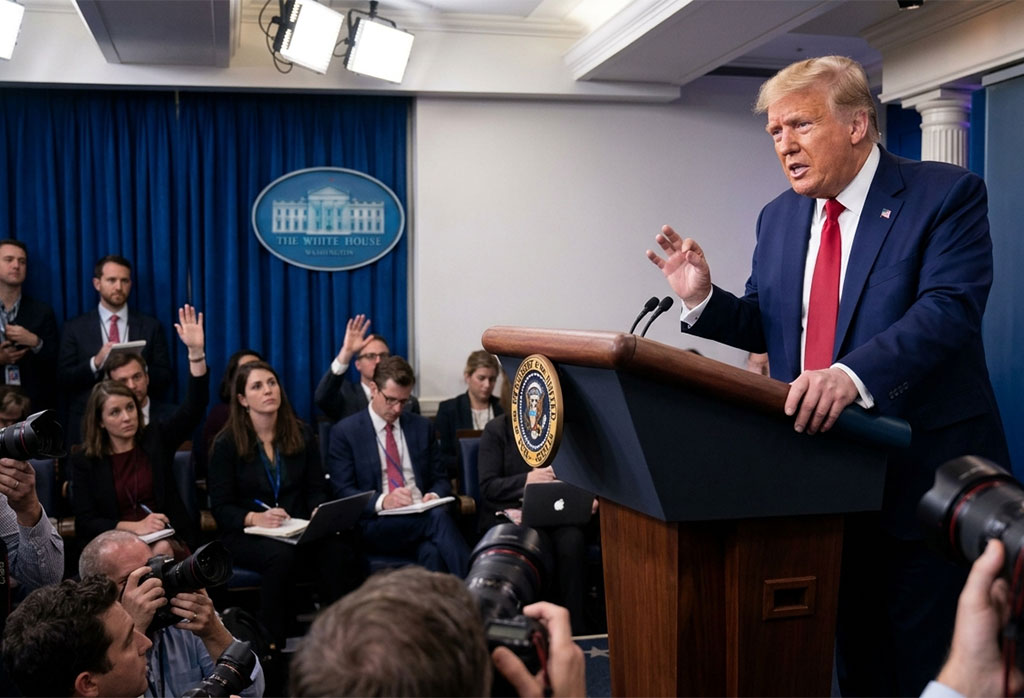
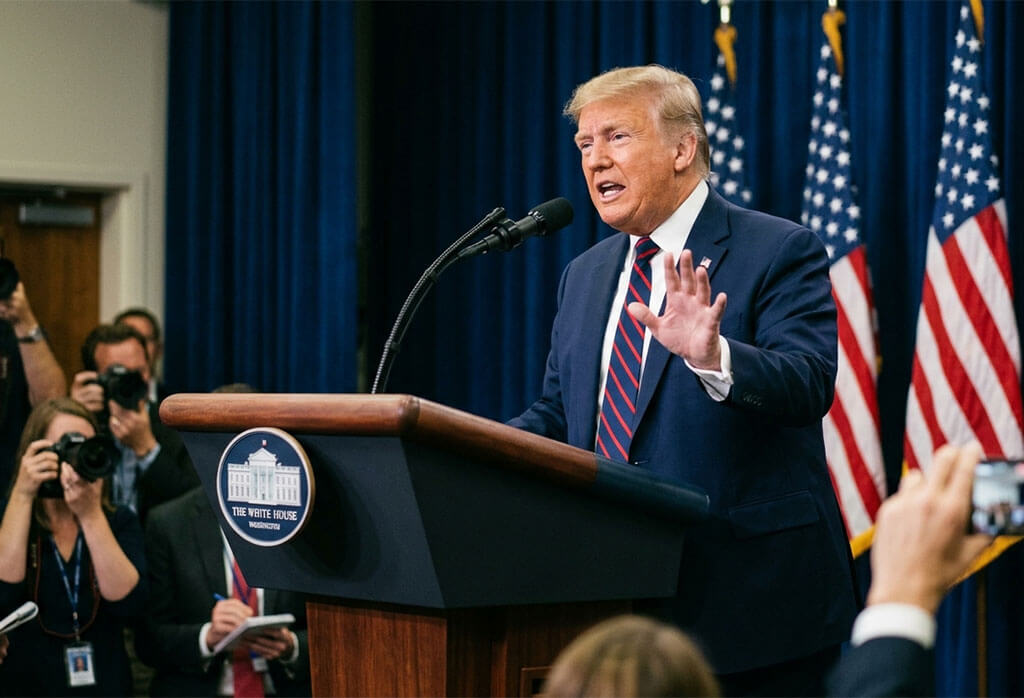
Trump’s executive order on AI models now asks companies to share powerful systems early. The president signed the directive on Tuesday after weeks of delay and quiet debate. Federal agencies will review the most advanced AI models before developers release them publicly. You should understand why this shift matters for security, markets, and everyday digital safety. The government wants a 30-day head start to weigh AI cybersecurity risks before launch. Officials believe early access helps them protect critical infrastructure from new and serious threats. Companies share these systems voluntarily, because the order avoids any mandatory licensing requirement here. A White House spokesperson called it a common-sense approach balancing innovation with strong security. The plan keeps America ahead in both AI development and global cybersecurity leadership efforts.

Why did Trump delay the first signing

Washington watched the tense delay unfold earlier in May before the planned signing ceremony. Trump pulled the first version because he worried it would block American AI progress. He told reporters he disliked certain parts and feared real harm to national competitiveness. An earlier draft from May proposed a longer 90-day review window for new models. Industry sources told CNN many firms preferred a shorter window, given rapid AI development. A Monday meeting with top advisers and cabinet officials pushed the final version forward.

Trump’s executive order on AI models answers Mythos fears

The Trump administration kept a light touch on AI rules until one model changed everything. Anthropic Mythos can exploit cybersecurity weaknesses at a pace many experts find deeply alarming. The model spooked both government officials and Wall Street over their serious security concerns. Anthropic said last week that the system will reach all customers within the coming few weeks. Experts warn that advanced AI models can supercharge cyberattacks against banks, hospitals, and power grids. Early government AI testing helps defenders prepare before bad actors deploy these tools widely.

What government AI testing means for you

The order links AI national security to stronger cyber defense across federal agencies and partners. Officials plan a new cybersecurity clearinghouse to share software flaws and matching protective fixes. Microsoft President Brad Smith publicly called the order an important step for public protection. We welcome this effort by the Administration, Smith said in a short public statement. The Pentagon earlier blacklisted Anthropic and labeled the company a serious supply chain risk. Both sides clashed over model guardrails placed on classified military systems and access limits.

From my standpoint, this order shows how fast AI policy now shapes security choices. You feel these decisions through your bank, your hospital, and your daily online services. Investors watch closely because the rules around advanced AI models affect overall market confidence. The voluntary design keeps developers free while giving the government a clearer early warning. Some critics warn that early access might delay launches or raise fresh privacy questions for users. Trump’s executive order on AI models now tests how industry and Washington share responsibility. The Trump executive order on AI models reflects a wider push for safer rollouts. You should watch the next steps as agencies build these new testing systems carefully. The Trump executive order on AI models will shape security, trust, and growth for years.

Kash Patel Defamation Suit

Kash Patel’s defamation suit landed in federal court on Monday morning with serious financial weight behind it. The FBI director filed papers in the US District Court for the District of Columbia. He wants $250 million in damages from The Atlantic and reporter Sarah Fitzpatrick. The magazine story claimed Patel showed signs of excessive drinking and had unexplained absences from work. Patel flatly denies every core allegation in the published reporting.

His attorneys describe the article as a sweeping and malicious hit piece against him. The FBI director Kash Patel’s lawsuit argues the story falsely paints him as unfit for duty. The complaint lists 17 specific statements the legal team calls demonstrably false. Patel said the magazine had the truth before publication and printed falsehoods anyway.

The Kash Patel sues The Atlantic story now draws national attention from legal and media circles.

Inside the disputed Atlantic reporting

Sarah Fitzpatrick’s Atlantic article drew on more than two dozen sources across government and industry. She spoke with current and former FBI officials, congressional members, lobbyists, and hospitality workers. Those sources received anonymity to share sensitive workplace details and private conversations with the reporter. From my standpoint, the use of unnamed sources always raises questions about verification and balance.

The lawsuit claims The Atlantic gave the FBI fewer than two hours to respond before publishing. Patel’s team says the magazine refused to extend that narrow window for a detailed reply. The magazine published the story online the same afternoon, which Patel calls reckless conduct. Fitzpatrick told MS NOW on Friday she stands by every word of her reporting.

ANOTHER MUST-READ ON ICN.LIVE: Microsoft Cloud Licensing Lawsuit Moves Toward Trial in London Ruling

The actual malice defamation standard

The $250 million defamation lawsuit centers on a tough legal test for public officials. The actual malice defamation standard requires proof that a writer knew claims were false or acted recklessly. Courts set this bar high after the 1964 Sullivan ruling protected press freedom nationwide. Many defamation cases collapse because plaintiffs cannot meet this demanding level of proof.

Patel’s legal team points to pre-publication denials from the FBI about the April 10 lockout story. They argue that The Atlantic ignored evidence and showed clear editorial animus toward the FBI director. The magazine responds with confidence and calls the suit meritless in public statements.

Kash Patel defamation suit and media stakes

Anna Bross, senior vice president of communications for The Atlantic, defended the reporting on Monday. “We stand by our reporting on Kash Patel, and we will vigorously defend The Atlantic and our journalists against this meritless lawsuit,” Bross said. Patel’s attorney Jesse Binnall from Binnall Law Group called the case a fight for accountability.

The Kash Patel defamation suit will test discovery rules and source protections for journalists. Both sides will collect sworn testimony from officials and witnesses during the case. For readers, this matters because the outcome shapes how reporters cover senior government officials going forward. Patel wrote on X that meeting the legal standard looks like a legal lay-up.

Kevin Warsh's nomination at the Fed

Kevin Warsh’s nomination at the Fed faces delays as Washington battles over power, oversight, and central bank leadership. Senators still need to review the nomination before the full chamber takes a final vote. Jerome Powell stays in place for now because his current term ends before replacement approval. The Trump administration wants new leadership, yet legal pressure around Powell complicates every next step.

A Department of Justice investigation now adds another layer to an already tense political fight. The probe focuses on testimony about the Federal Reserve headquarters renovation in Washington, DC. Officials want answers after project costs rose far above the first public estimate. Those rising costs gave critics a fresh opening against the Fed chair. Lawmakers now weigh budget questions beside broader concerns around monetary policy leadership.

For readers watching markets, this matters because leadership changes shape confidence around the central bank.

Pressure grows around Powell and the project

The reported renovation budget has become a major talking point for Powell’s opponents. Prosecutors recently visited the site without notice, which raised tensions with Federal Reserve lawyers. Jeanine Pirro said a project with such large overruns deserves deeper public review. Fed counsel pushed back and warned officials against another unscheduled visit without agency lawyers. Those exchanges show how sharply relations have worsened between the White House and Fed leadership.

The dispute also puts Jerome Powell under a brighter political spotlight before his chair term ends. Kevin Warsh’s nomination at the Fed now moves through this storm instead of a normal process. North Carolina Senator Thom Tillis has become a major figure in this debate. He said he will not support Warsh before the Powell investigation reaches a conclusion.

That stance matters because committee support often shapes momentum for a final Senate result. Trump said he hopes Tillis supports the nominee during the coming committee hearing. Still, support for the investigation suggests pressure on Powell will continue during confirmation talks. From my standpoint, this dual strategy weakens speed, clarity, and trust across an already fragile process.

Kevin Warsh’s nomination at the Fed meets a wider independence test

The larger issue reaches beyond one renovation project or one confirmation hearing. The Federal Reserve depends on public trust, steady leadership, and distance from direct political pressure. Critics argue that oversight protects taxpayers when federal spending rises far beyond original projections.

Supporters of Powell warn that aggressive pressure threatens the independence expected from a central bank. Those concerns now shape how investors, lawmakers, and voters read every public statement. Kevin Warsh’s nomination at the Fed has therefore become a test of institutional balance. Warsh served before as a Fed governor, which gives his nomination added policy weight. Yet experience alone does not remove the political friction surrounding this handover.

If senators delay action, Powell could stay on temporarily under existing Federal Reserve rules. Powell already said such an arrangement follows prior practice when a successor lacks confirmation. For markets, temporary leadership often brings caution because decision-making appears less settled.

For Washington, the delay offers more time for critics to press arguments against Powell. For the public, the episode shows how politics now touch even core financial institutions. Kevin Warsh’s nomination at the Fed still has a path forward, though obstacles remain serious. The April hearing gives senators a formal stage to question Warsh on policy and governance. Their decision will shape the next phase for the Fed chair role and central bank credibility.