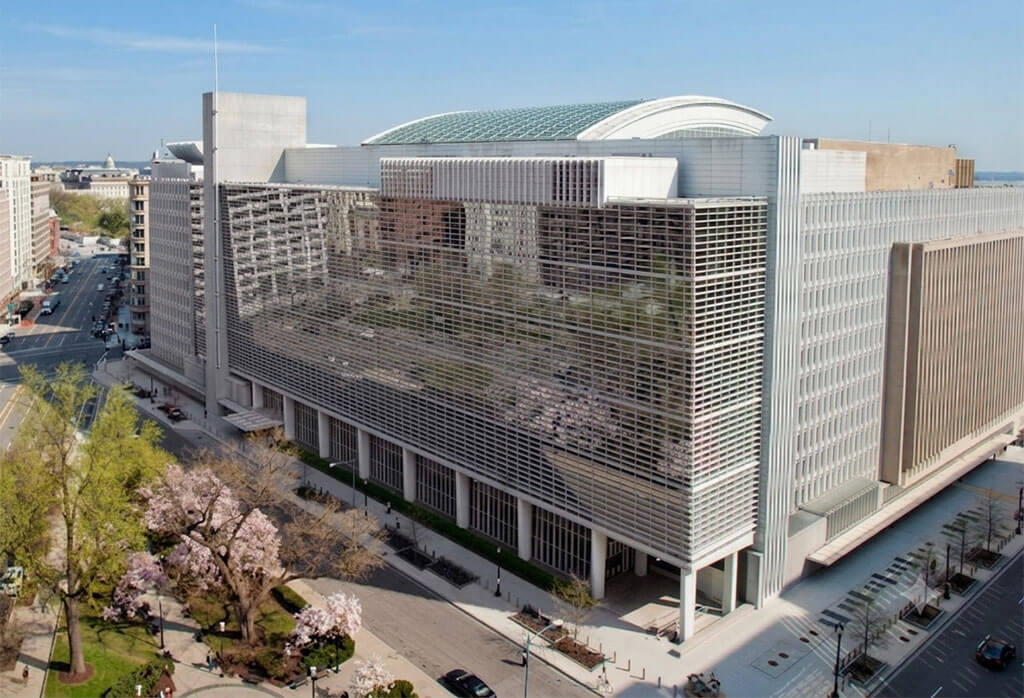



The World Bank grants $100 million to Syria to rebuild the foundations of a financial system worn down by more than a decade of conflict. Delivered as a grant from the International Development Association, the Bank’s arm for its poorest borrowers, the money will fund the Syria Financial Sector Modernization Project. That program is built to make payments safer and to widen access to banking. Behind the headline figure sits a harder question about governance, one about who will oversee the funds and to what standard.
A sector rebuilt from cash upward
After 14 years of war, Syria’s banking system remains small and leans heavily on cash. Financial intermediation is thin, digital payment infrastructure is dated, and supervision has weakened. These gaps raise the cost of every transaction and keep the country cut off from the international channels that trade and investment depend on. The project aims to operationalize core financial systems and to enable at least 15 million electronic retail payments a year. It also aims to bring 500,000 people and businesses into digital payments, among them 150,000 women. Expanding Syria’s digital payments sits at the center of the plan, which the World Bank frames as a route toward wider financial inclusion.
Why the World Bank grants $100 million to Syria now
Timing reflects a shift in how Damascus and the Bank work together. In May 2025, Saudi Arabia and Qatar cleared Syria’s arrears to the International Development Association, which restored the country’s eligibility for financing after a 14-year suspension. A month later, the Bank approved a $146 million grant for emergency electricity, its first Syrian project in nearly four decades. Finance Minister Mohamed Yisr Barnieh has said the Bank endorsed Syria’s economic reform plans for 2026. The latest decision, in which the World Bank grants $100 million to Syria, carries that reengagement into the heart of the financial system.
Oversight, integrity, and accountability
Much of the grant targets control rather than cash. The plan funds independent asset quality reviews across public and private banks, a step meant to show regulators the true health of the system. It strengthens risk-based supervision and rebuilds the Central Bank of Syria’s core systems, from its banking platform to its cybersecurity. Investment will also flow to anti-money laundering and counter-terrorism financing tools, and to the Financial Intelligence Unit that runs them. Dalia Khalifa, the World Bank’s director for the Middle East, tied the project to Syria’s economic recovery, calling a modern financial system essential to the country’s future.
A test of standards
Governor Mohamed Safwat Raslan called the approval a milestone for the country’s banking infrastructure and a step toward standards used across global finance. He told the Syrian Arab News Agency the Central Bank would keep working to restore confidence and to return Syria to the international financial system. The International Development Association grant carries no repayment obligation, which lowers the fiscal risk for a state whose revenues have fallen sharply since 2011. Whether the reforms hold will depend on the strength of the new oversight. When the World Bank grants $100 million to Syria, the harder task is not the transfer but the accountability that comes after.