
icnlive

ICN.live

  • Moove raised $250 million in a Series C round led by Mubadala, reaching a $2.1 billion valuation.
  • The money funds autonomous vehicle fleets, robotics-first Nests depots, and new city launches.
  • Moove runs about 42,000 vehicles across 29 cities and manages autonomous fleets for Waymo in Phoenix and Miami.
  • The company plans to grow its autonomous workforce from about 150 to about 500 by year end.

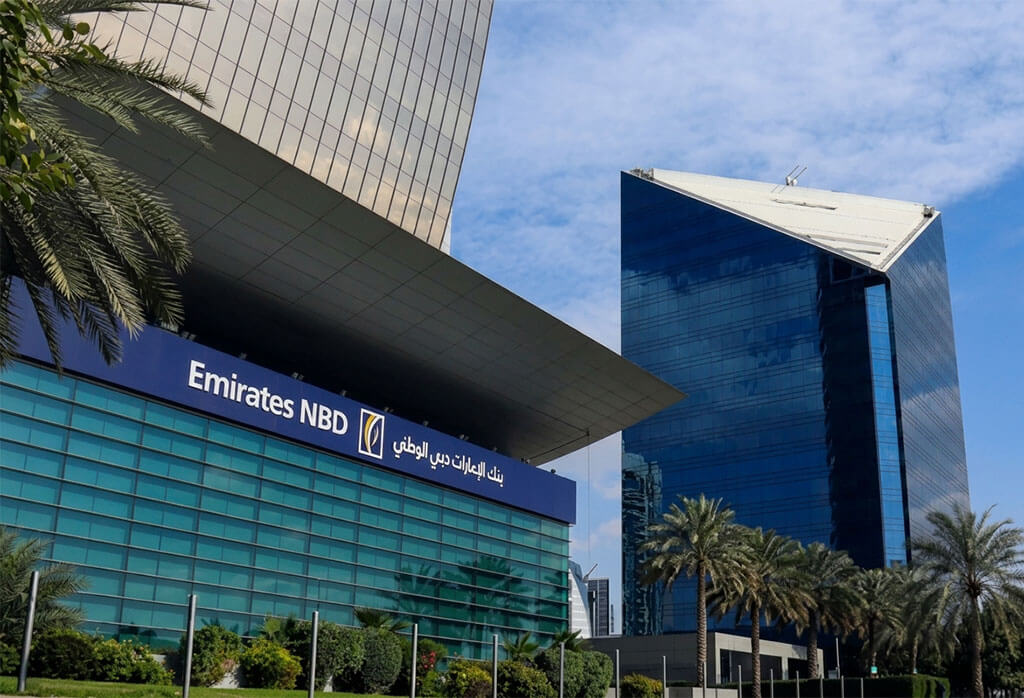
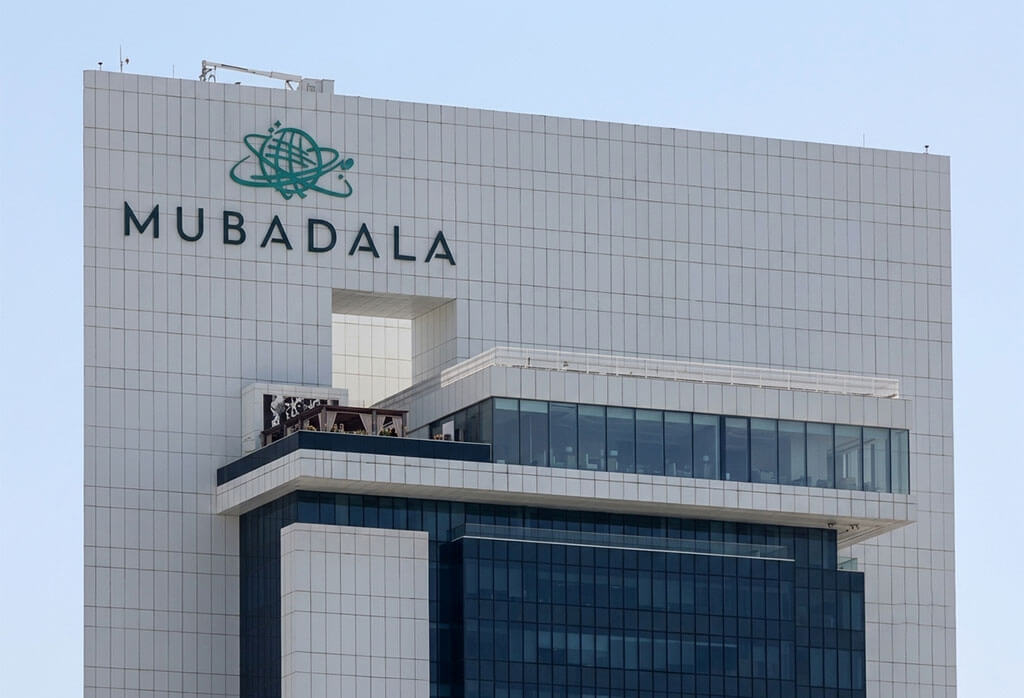
Mubadala’s $250 million investment now anchors Moove, the mobility company building the operating layer for driverless transport. The Series C round it led values the firm at $2.1 billion. Woven Capital, Toyota’s Growth Fund, and Ion Pacific co-led it. For the UAE, the deal ties a sovereign backer to a company that wants to run the fleets behind self-driving cars.

The money follows a clear plan. Moove will expand its autonomous vehicle business, own more fleets, and build robotics-first depots it calls Nests. These sites charge, service, and maintain driverless cars around the clock. Fresh capital will also open new markets. Mubadala’s $250 million investment gives the company the balance sheet to move faster. The company announced today, 5th of August, the investment and the company’s vision of the company further.

Inside Mubadala’s $250 million investment

BlueCrest Capital Management, Sona Asset Management, and The Raptor Group came in as new backers. They sit alongside earlier investors such as BlackRock, MUFG, Franklin Templeton, and Uber. The Moove Series C funding builds on a stake Mubadala first took three years ago. Ali Eid AlMheiri, Executive Director of Diversified Assets at Mubadala’s UAE Investments Platform, said the fund backs scalable platforms that support economic diversification and strengthen the country’s role as a hub for advanced technologies.

Ali Eid AlMheiri, Executive Director of Diversified Assets, UAE Investments Platform at Mubadala, said: “Mubadala is investing in enabling infrastructure and scalable platforms like Moove that support economic diversification and strengthen the UAE’s role as a hub for advanced technologies. Since Mubadala’s initial investment three years ago, Moove has been a great partner, and we are glad to continue partnering with Moove in its next phase of growth.”

What does that mean for you? Mubadala’s $250 million investment places public capital behind a bet on autonomous mobility. If the bet pays off, the UAE gains a stake in how driverless transport scales worldwide.

The Waymo fleet partnership

Moove already runs cars for Waymo. Its Waymo fleet partnership covers live operations in Phoenix and Miami, with London named as the first step abroad. Self-driving firms write the software. Moove handles the work they would rather avoid, the cleaning, charging, and repair of every vehicle. That split lets each side focus on what it does best. Moove is also Uber’s largest global fleet partner, which widens its reach across the ride-hail market.

The autonomous vehicle fleet business carries real risk. Owning cars in an unsettled market ties up capital for years. Moove is betting its operating skill will hold that risk steady as fleets grow.

From Lagos to a $2.1 billion valuation

Ladi Delano and Jide Odunsi started Moove in 2020 with 76 cars in Lagos. The company now runs about 42,000 vehicles across 29 cities in 13 countries and reports $420 million in annual recurring revenue. It employs 3,300 people and has grown through deals such as Kovi in Brazil and Tokyo Taxi in Japan. The Moove $2.1 billion valuation shows how far that base has stretched.

Ladi Delano, Co-Founder, Co-CEO and Advisory Board Chairman of Moove, said: “Every major technology revolution becomes an infrastructure race. The internet required data centres. AI required compute. Autonomy requires fleets, charging, maintenance, data systems and 24/7 operations in every city – and that is what Moove is building. In our view, as autonomy scales, infrastructure ownership and operations will define the category leaders. We are building to be one of them. 

From our anchor in the UAE, and backed by long-term strategic capital, Moove now has the platform to help take autonomy from breakthrough technology to everyday transportation. This is not a departure from our mission; it is the fullest expression of it.”

What comes next

Hiring tells the story. Moove plans to grow its autonomous workforce from about 150 people to about 500 by the end of the year, a rise of more than 220%. That pace shows where the company sees demand. Mubadala’s $250 million investment signals the same view: that owning and running fleets will decide who leads.

Autonomous mobility is expected to shape logistics, public transport, and city planning over the coming years, though the timeline stays uncertain. For riders and investors, the message is plain. The firms that own and run driverless fleets may matter as much as the ones writing the code.


TAGS

EXPLORE MORE ON:

Sebastian Stan welcomes first child

Sebastian Stan welcomes first child with partner Annabelle Wallis, several entertainment outlets reported this week. TMZ, People, and Us Weekly said the couple became parents in July. Neither Stan nor Wallis has confirmed the birth in public. The reports rely on sources described as having direct knowledge of the couple.

Stan is 43. Wallis is 41. The two have kept their private life quiet for years, and the baby news arrived the same way, through unnamed sources rather than a formal statement. Reporters have not learned the baby’s name, sex or exact birth date.

Reports say Sebastian Stan welcomes first child

Word that Sebastian Stan welcomes first child spread across entertainment sites within hours. Each outlet placed the birth last month. The reporting leaned on people described as close to the pair, not on any statement from the couple. That silence fits a pattern. Stan told Vanity Fair in 2025 that real privacy is hard to hold onto now, and he and Wallis have guarded theirs closely.

The pregnancy itself became public earlier this year. Stan confirmed it in a May 2026 interview with Deadline, and Annabelle Wallis, pregnant at the time, showed her baby bump on the red carpet at the Cannes Film Festival soon after. Before that, photographers had caught the couple on a walk in New York, where the bump was visible.

Sebastian Stan and Annabelle Wallis, a quiet couple

The pair were first linked in May 2022. They appeared together at Robert Pattinson’s birthday party in New York, and a since-deleted photo seemed to show them kissing. Wallis had ended a four-year relationship with actor Chris Pine not long before. For years, fans typed “Sebastian Stan girlfriend” into search bars, since the couple rarely appeared in public together.

They broke that habit once. At the 2025 Golden Globes, they made their red carpet debut as a couple. Stan won Best Performance by a Male Actor in a Motion Picture, Musical or Comedy, for A Different Man. He closed his acceptance speech by pointing toward Wallis and saying, “Annabelle, I love you.” The two shared a kiss after the win.

Careers on either side of the birth

Stan built his name in Marvel films. Known to fans as the Winter Soldier, the Sebastian Stan Marvel run includes Avengers: Endgame and Thunderbolts, with Avengers: Doomsday still ahead. He also earned an Oscar nomination for playing Donald Trump in The Apprentice.

Wallis has her own slate. The Peaky Blinders actress Annabelle Wallis has appeared in The Mummy, The Tudors and the horror film Annabelle. She stars next in the action film Mutiny alongside Jason Statham, and she is set to appear in Netflix’s Unabomb.

Stan on becoming a father

Long before the phrase “Sebastian Stan welcomes first child” ran as a headline, the actor spoke about the role ahead. In a May interview with Deadline, he was plain about it. He said, “I want to be a good dad. I’m feeling the responsibility of being a good father. And not to mention a good man.” Age, he added, had shifted how he saw those roles. “I’m 43, and I feel, in a lot of ways, I’m just starting to learn now. It’s just crazy to me.”

He tied that view to his stepfather, whom he credited with a “quiet integrity” and “quiet strength.” Stan described a model of steady presence: “You’ve got to provide and protect.” With the birth now reported, the news that Sebastian Stan welcomes first child closes a chapter the couple had kept mostly to themselves.

Mubadala's $250 million investment
Lease your iPhone

You can now lease your iPhone the way you might rent a car, one steady payment at a time. Apple opened its new leasing program, Apple Upgrade, across the United States on July 28. The service runs through a partnership with Klarna, the buy now, pay later firm. To lease your iPhone, you pass a soft credit check that leaves your score alone. Sign up online, in the Apple Store app, or at a retail store.

What the Apple Upgrade program covers

The plan reaches most of Apple’s current lineup. Think iPhone 17 models, the iPhone Air, newer Apple Watches, Macs, and iPads. iPhones and Apple Watches carry 12- or 24-month terms. Macs and iPads run on 24- or 36-month terms. Cheaper gear sits outside the deal, including the iPhone 16, the base iPad, the Apple Watch SE, and the MacBook Neo. The Apple Klarna partnership handles billing, and you watch every payment inside the Klarna app.

The real iPhone lease cost breakdown. Here is where you read the fine print. When you lease your iPhone, the entry price sounds small at $17.99 a month. A premium model tells a different story. An unlocked iPhone 17 Pro runs $31.99 a month over 24 months, or $45.99 over 12. That 12-month total comes to $551.88, still under the $1,099 shelf price. The iPhone lease cost climbs fast once you pick a high-end phone. Apple says you never pay more than the full list price during a term, taxes and damage fees aside. AppleCare is a separate bill now, so add it to your sum. Trade in an old device and the Apple Upgrade program trims your monthly payment.

How to lease your iPhone and what comes next

Knowing how to lease an iPhone is the easy part. The choice at the finish line matters more. After your term ends, three roads appear. One lets you pay a one-time fee and keep the phone. Another sends it back with nothing owed. The third swaps it for a newer model on a fresh lease. Miss a payment, and Klarna rolls it into the next month with no late fee, though three missed months end the deal. You need to be at least 18 and hold a Klarna account to qualify.

Why Apple built this now

The timing is not an accident. Electronics prices are climbing, pushed by a memory chip shortage Apple has already cited for iPad and Mac price hikes. People hold their phones longer too, with the average American keeping one for 22 months, per a Reviews.org survey. A foldable iPhone is expected in September, and it could be Apple’s priciest handset yet. Leasing moves your focus from a big sticker price to a low monthly figure.

Francisco Jeronimo, an analyst at International Data Corporation, put it plainly. “Apple Upgrade lands at precisely the moment Apple needs it,” he said. My read is simple. The old iPhone Upgrade Program steered you toward a single device. This one wants your whole Apple habit on a subscription. Over four years, leasing a fresh phone every two years can cost hundreds more than buying one outright. Before you lease your iPhone, weigh what always owning the newest model costs you.

Share this post

on your favourite social platforms

or copy the link