



icnlive

WATCH LIVE. THINK BUSINESS.

© 2026 ICN.LIVE

Sheikh Khaled chairs Abu Dhabi Council, and its latest meeting placed an agentic AI platform inside government decision-making for the first time.

Trending Economy

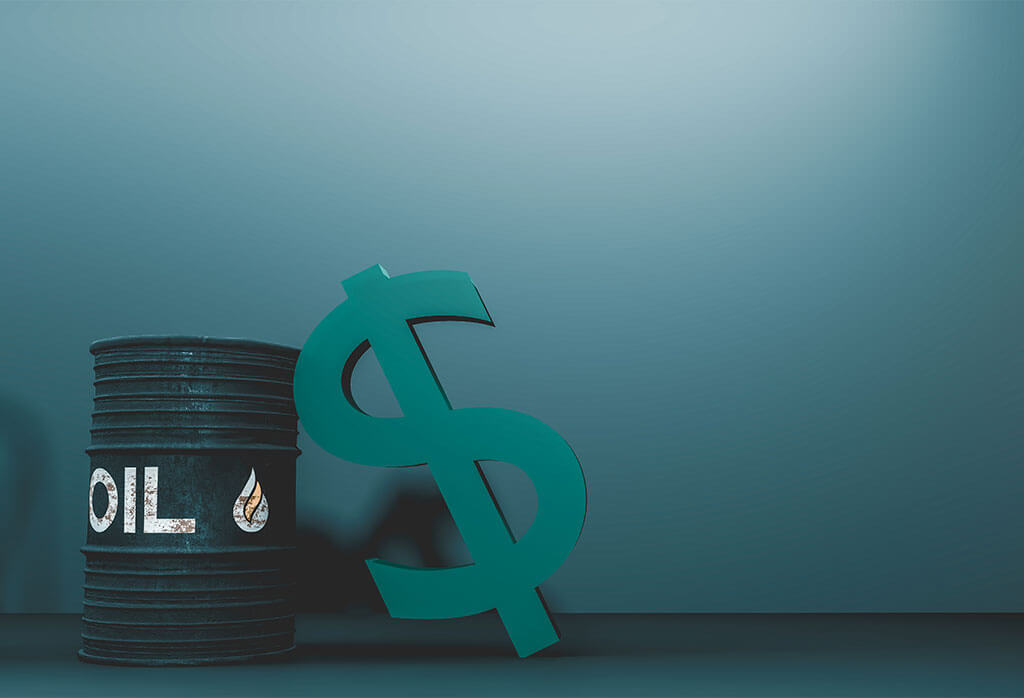
Oil prices climb more than 3%

Oil prices climb more than 3% on Thursday, lifting traders after a steep recent decline. Brent crude futures rose $3.51, or 3.72 percent, to reach $97.80 a barrel today. The more active August contract gained $3.35, climbing 3.63 percent to settle near $95.60. You should note that the July Brent contract is set to expire on Friday this week. The WTI crude oil price advanced $3.31, or 3.73 percent, to hit $91.99 a barrel. Both benchmarks slipped more than 5 percent during the previous session before this strong turnaround. They touched their lowest levels in a month, alarming investors who track energy markets daily. For you, this rebound signals fresh volatility returning across global oil and commodity trading floors.

Oil prices climb more than 3%, partly because supply worries pushed buyers back into the market. Traders reacted to shifting expectations around demand, inventories, and broader economic growth signals worldwide. Sharp single-day moves like this one often reflect thin liquidity near contract expiry dates. You can see how quickly sentiment shifts when prices swing several dollars within hours. My analysis indicates the current move reflects positioning more than any lasting change in fundamentals. Energy markets remain sensitive to political headlines, refinery outages, and sudden changes in trader mood.

Why have oil prices climbed more than 3% so fast?

The crude oil rally arrived after days of falling values across both leading benchmarks. Buyers often return once prices look cheap, especially after a sustained drop in value. Short sellers also close positions quickly, which adds upward force to a recovering market. You see this pattern repeat whenever oil markets reverse direction after a steep sell-off. Analysts watch the spread between Brent crude futures and American contracts for trading clues. The August contract now carries more weight because the July contract expires within days. Investors tracking oil prices today should expect sharper swings before markets find balance.

Oil prices climb more than 3% during sessions when traders sense renewed risk to supply. Geopolitical tension, OPEC decisions, and storage data all shape these fast daily price movements. You benefit from watching these drivers because they explain sudden gains and losses clearly. Each barrel price gain reflects how buyers value future supply against expected global demand. Refiners, airlines, and shippers feel every move because fuel costs hit their budgets directly. Drivers at the pump also notice changes once these price moves reach retail fuel stations.

ANOTHER MUST-READ ON ICN.LIVE: Anthropic Claude Opus 4.8 AI model

What the rebound means for your wallet

Higher crude values often raise gasoline and diesel prices within a few short weeks. You should budget for possible fuel cost changes during periods of strong market volatility. Airlines and freight firms hedge fuel to protect margins when prices move this fast. Investors holding energy stocks watch the crude oil rally for signals about company earnings. Producers welcome higher prices because stronger revenue supports new drilling plans and future projects. You can follow daily reports to understand how each session shapes the wider trend.

Oil prices climb more than 3% when momentum builds, yet single days rarely set lasting direction. You gain the most by tracking trends over weeks rather than reacting to one move. Markets will keep testing new levels as supply news and demand data continue arriving. For now, the strong rebound shows how fast energy markets recover from a sharp drop.
Engine Repair Centre Developed

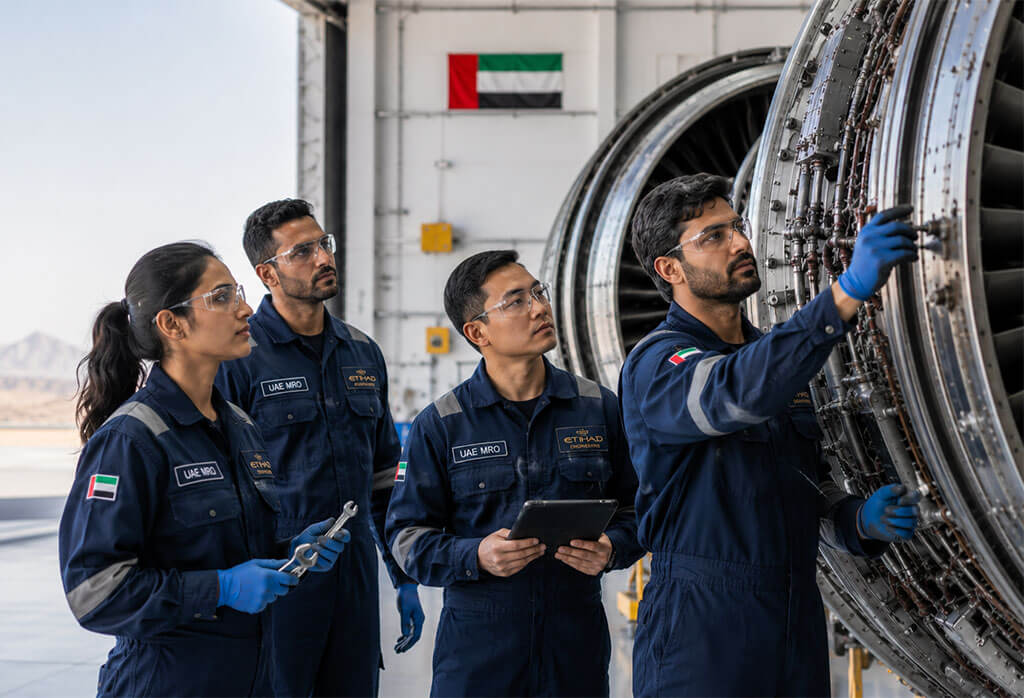
The engine repair centre developed in Al Ain marks a defining moment for the UAE aviation sector. Sanad, backed by Mubadala Investment Company, announced an AED480 million commitment to build a new Repair Centre of Excellence. The facility targets a position among the top five engine overhaul providers across the global MRO industry. Your understanding of this investment starts with knowing how big the demand shift truly is.

Global engine volumes keep rising as airlines expand fleets and retire older aircraft faster. Sanad already served over 80 customers worldwide before this new facility entered the plan. In 2025 alone, the company added 24 new airline customers to its growing international network. Engine inductions are forecast to rise from 230 annually in 2025 to over 500 by 2035. That doubling of volume makes in-house repair capability a financial and operational priority for the firm.

Engine Repair Centre Developed in Al Ain Anchors Abu Dhabi Aerospace Strategy

The 17,600 square metre facility will sit inside Al Ain Aerospace Park and open fully by 2030. Sanad will consolidate all its repair work into one integrated platform for greater speed. The hub will cover five major engine types: Trent 700, V2500, LEAP, GEnx, and GTF. Repair volumes are expected to reach 65,000 parts per year once the site reaches full output. In 2025, the company inspected 43,000 parts and completed engine overhaul work on 19,000 components. That growth gap shows exactly why this new investment is necessary for Sanad to scale.

Mansoor Janahi, Managing Director and Group CEO of Sanad, put the strategy clearly. He said: “Repairs are increasingly becoming the defining factor in engine MRO.” He added that building capabilities in-house is critical to improving turnaround times and creating in-country value. As I see it, this statement signals a deliberate shift away from relying on third-party repair providers. Bringing key functions under one roof reduces cost exposure and strengthens delivery reliability for airline clients.

ANOTHER MUST-READ ON ICN.LIVE: Dubai Launches World’s First AI-Native Financial Centre at DIFC Today

Sanad Targets Top Five MRO Ranking Through Strategic Al Ain Investment

The engine repair centre developed in Al Ain will also serve other MRO providers needing specialist support. This opens a second revenue stream beyond direct airline contracts and adds commercial flexibility. No other independent MRO in the MENA region currently offers repair capabilities at this scale. Sanad will hold a unique market position once the facility reaches full operational status in 2030. That position strengthens the broader Abu Dhabi aerospace push to become a recognised global aviation hub.

Mubadala’s support gives Sanad the financial backing to commit to long-term infrastructure at this level. The greenfield design means the facility starts fresh with workflows built for efficiency from day one. Workers will not face the delays common in retrofitted or repurposed industrial buildings. Operational speed and precision matter greatly in MRO, where aircraft downtime carries serious financial consequences for airlines.

The facility will also support the UAE’s wider economic agenda by localising high-value aerospace skills. More than 350 jobs will come from this project, with Emirati nationals prioritised across technical and operational roles. This aligns directly with national workforce development goals and the UAE’s broader diversification strategy.

The Centre Sets a New Regional Standard

The engine repair centre developed in Al Ain sends a clear signal to the global MRO community. Sanad now competes not just regionally but on a world stage with the largest engine service providers. The company’s contracted backlog already reached AED38 billion, covering more than 1,000 shop visits over three decades. That backlog confirms sustained demand and gives investors confidence in the long-term revenue outlook. You can read this investment as both a capacity decision and a competitive statement.

The Abu Dhabi aerospace sector gains a significant anchor asset through this single project. Sanad’s engine overhaul expertise, combined with the new facility’s scale, creates a compelling case for airline operators worldwide. Airlines choosing MRO partners weigh cost, turnaround speed, and platform coverage above almost everything else. This facility addresses all three of those factors in one integrated location. The engine repair centre developed in Al Ain now stands as the clearest proof of the UAE’s aerospace ambitions.

What is a Swap Line Agreement

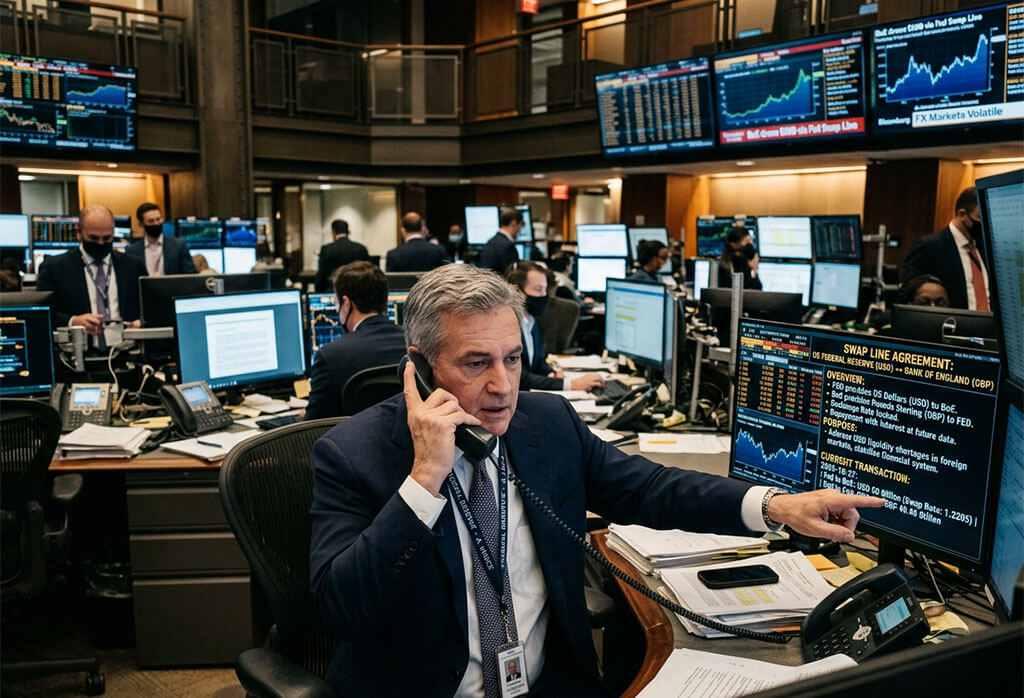
What is a Swap Line agreement, and why does it matter for global finance today? A swap line is a pact between two central banks. The deal lets them exchange currencies at a pre-agreed rate. Each side caps the size of the swap and the time window. You can picture it as a standing credit line between trusted central banks. The US Federal Reserve runs the most prominent program because the dollar leads global trade.

How the mechanics work in practice

If Country A needs dollars, its central bank gives its own currency to the Fed. In return, it receives an equal value in US Federal Reserve dollars. After a set period, the two sides reverse the trade at the original rate. The borrower pays a small interest fee tied to a benchmark rate. From my standpoint, this design removes currency risk during volatile market conditions. The locked rate protects both sides from sudden swings in foreign exchange markets.

The dollars do not sit idle inside the central bank vault. The receiving central bank lends or auctions them to commercial banks that need funding. Those banks then settle trades, meet client demand, and stabilize their balance sheets. As a result, the facility flows through to the real economy in days. This is why a reciprocal currency arrangement carries weight far beyond the two signing institutions.

ANOTHER MUST-WATCH ON ICN


Why does central bank liquidity depend on these tools?

Central bank liquidity defines how well a financial system handles stress. When banks suddenly need dollars but cannot find them, panic spreads fast. A swap line gives the central bank a direct channel to the Fed in hours. This stops credit crunches, steadies exchange rates, and keeps imports and exports moving. According to International Monetary Fund data, around 58 to 60 percent of global reserves sit in dollars. The euro holds near 20 percent, with smaller shares for the yen, pound, and yuan.

The dollar achieved this status after the Bretton Woods agreement in 1944. Even after the gold link ended in 1971, the dollar kept its leading role. Deep US Treasury markets, strict rule of law, and network effects locked in its position. As former Fed Chair Ben Bernanke once noted, swap lines act as a backstop for global stability. His view shaped the 2008 crisis response and the 2020 pandemic emergency programs.

What is a Swap Line agreement during wartime stress?

What is a Swap Line agreement worth during a war or major conflict? The answer comes down to the survival of the payment system. War triggers capital flight, drained reserves, and broken trade routes within weeks. Foreign investors pull funds, insurance costs jump, and import bills climb. Countries still need dollars to pay for food, fuel, medicine, and defense supplies. A dollar funding crisis on top of a security crisis can break a national economy.

A swap line gives the affected country a vital backstop during these shocks. It protects foreign exchange reserves from full depletion during sustained pressure. It also signals strong political and economic alignment with the partner country. That diplomatic message carries real weight when allies face shared threats. You can see why nations push hard to secure these deals before a crisis hits.

ANOTHER MUST-READ ON ICN.LIVE: OpenAI Acquiring TBPN Means Influence Over AI Industry Messaging Now

A real example of dollar dominance in trade

Consider Indonesia buying crude oil from Saudi Arabia in any given month. Neither country uses the dollar at home, yet the deal settles in dollars. Saudi Arabia quotes prices in dollars per barrel, and Indonesia pays in dollars. So Indonesia must hold strong foreign exchange reserves in dollar form. If those reserves run low, oil imports stall, no matter how much rupiah the country prints.

The same pattern shows up across global commerce every single day. Brazilian airlines buy Airbus planes priced in dollars under long-term contracts. African governments borrow from global markets in dollar-denominated bonds. Commodities like gold, copper, and wheat trade in dollars on major exchanges. This is why access to dollars sits at the heart of every major economy.

Why this matters for readers right now

You should track swap line news because these deals shape borrowing costs and market stability. A new swap line often signals trust between two governments and their financial systems. A canceled swap line can flag rising tension or weakening alliances. What is a Swap Line agreement in plain terms? It works like a fast, large-scale, time-limited dollar facility with a built-in exit mechanism. The cost stays predictable, the risk stays contained, and the support reaches commercial banks fast. For investors, importers, and policymakers, this tool remains one of the most powerful in modern finance.