

icnlive

WATCH LIVE. THINK BUSINESS.

© 2026 ICN.LIVE

ICN.live

PUBLISHED BY ICN PRESS

  • Sheikh Khaled bin Mohamed bin Zayed chaired an Abu Dhabi Executive Council meeting that used an agentic AI platform for the first time.
  • The AI Committee System summarised the agenda, raised live questions, and kept every decision linked to its source papers.
  • The council approved a second phase of the Abu Dhabi Liveability Strategy and an Al Ghad Nurseries expansion to 12,000 seats by 2029.
  • New programmes cover reproductive health, with an 80 percent IVF target by 2030, and AI lessons from kindergarten to Grade 12.

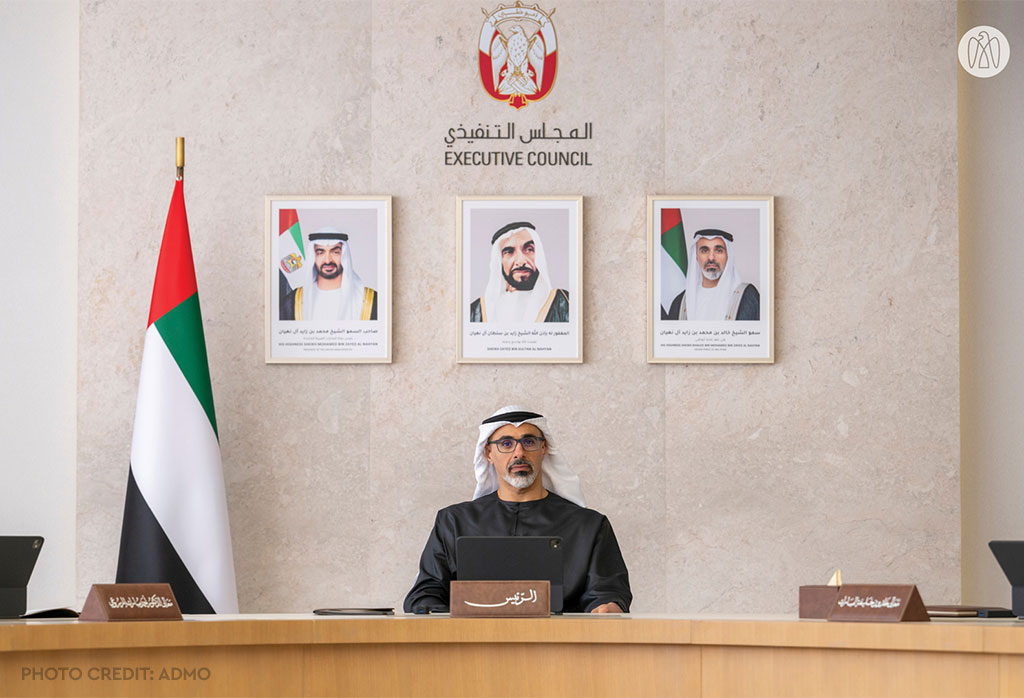
Sheikh Khaled chairs Abu Dhabi Council, and its latest meeting placed an agentic AI platform inside government decision-making for the first time. His Highness Sheikh Khaled bin Mohamed bin Zayed Al Nahyan, Crown Prince of Abu Dhabi, chaired the session. The Abu Dhabi Executive Council reviewed public projects meant to lift government performance and community services. Before the meeting, the AI Committee System read every paper on the agenda. It then wrote short summaries that explained each item in plain terms, the Abu Dhabi Media Office has announced.

During the talks, the platform offered live insights and questions, checked facts, and raised points for members to weigh. One design choice stands out for anyone who cares about governance. Every output stayed traceable and tied to its source papers. The system also spells out which entity or committee carries each responsibility. That link keeps a clear line of accountability from any recommendation back to the people who signed off.

The next phase of the Liveability Strategy

Sheikh Khaled bin Mohamed bin Zayed directed a second phase of the Abu Dhabi Liveability Strategy, building on the first. Phase one finished more than 60 major projects worth over AED12 billion, part of an approved programme of AED42 billion. Across two years, the emirate’s District Completion Index climbed from 67 percent to 84 percent.

The new five-year phase shifts the aim from building community facilities to running them well. It leans on predictive, data-driven planning and points public money toward the priorities with the greatest impact. Public-private partnerships gain weight, and resident needs turn into investment openings for community services and social infrastructure.

Nurseries, health and schools on the agenda

Governance frames every item when Sheikh Khaled chairs Abu Dhabi Council sessions, and family services sat high on this one. The Al Ghad Nurseries project has enrolled 3,253 children across 10 nurseries in Abu Dhabi and Al Ain, 80 percent of them children of working mothers. Members approved growth from 3,000 to 12,000 seats by 2029, reaching children in Abu Dhabi, Al Ain and Al Dhafra. That expansion should open more than 1,000 jobs for Emirati women in early childhood care.

The council also approved the Abu Dhabi Programme for the Future of Reproductive Health, overseen by Abu Dhabi’s Department of Health. His Highness framed the programme as an investment in future generations, part of a wider push to connect care, research and talent in one system. It serves men and women across prevention, genetic screening, fertility diagnosis and assisted reproductive care. The plan targets an 80 percent IVF success rate by 2030 through precision medicine, genomics and AI. On schooling, the council reviewed plans to teach AI in private schools from kindergarten to Grade 12. Younger pupils start with hands-on activities rather than screens, while teachers train alongside specialist academic partners.

Why the record of each decision counts

The AI Committee System does more than take notes. It tracks proceedings live, drafts analytical reports and minutes, and lists the recommendations and actions required. Follow-up gets simpler because each recommendation carries a named owner and a clear next step. When Sheikh Khaled chairs Abu Dhabi Council business, that record of who decided what carries real weight. Each time Sheikh Khaled chairs Abu Dhabi Council meetings, the test will be whether the technology sharpens decisions while keeping people answerable for them.


TAGS

EXPLORE MORE ON:

Sheikh Khaled chairs Abu Dhabi Council
Meta One in the UAE

Meta One in the UAE is now live, and it turns your everyday apps into a paid menu of upgrades. Behind it is Meta, owner of WhatsApp, Instagram and Facebook, offering upgrades to individuals, creators and businesses. The core apps stay free. You pay only if you want more.

Prices run from Dh5.99 to Dh1,199 a month. That spread tells you who the company is chasing. Casual users sit at the bottom. Teams running accounts at scale sit at the top.

The free apps stay free

Meta says the main experience across its apps and Meta AI stays free for UAE residents. A Meta One subscription adds extra features and heavier AI usage on top. So you can keep using WhatsApp as before without paying a dirham.

The company launched with more than 50 features across Instagram, Facebook, WhatsApp and Meta AI. Edits and AI glasses come next. More than 15 million subscriptions and trials have been recorded worldwide so far.

What Meta One in the UAE costs you

Single app plans are the entry point. WhatsApp Plus costs Dh5.99 a month. Instagram Plus and Facebook Plus each cost Dh7.99. The Meta One price for UAE users climbs from there.

WhatsApp Plus brings backups for your chats and media files, plus Focus Schedules that mute or hide chats on a timetable. Instagram Plus adds custom fonts for messages and Stories, alerts when specific people view your Story, and message previews. Facebook Plus layers in Messenger options, more Reels insights, and super reactions across Reels and the Feed.

Two bundles target individuals and AI power users. Core runs Dh22.99 a month. Premium runs Dh76.99.

Each folds the single-app perks into one plan, then adds compute-heavy tools. Picture image creation and editing, video generation on Meta’s Muse models, and Restyle on Instagram. Anyone who wants a proper Meta AI subscription lands here. Early testing showed more than half of bundle subscribers used both the AI and the expression features.

What creators and businesses pay

Four plans sit above the consumer bundles. The Meta One in the UAE rollout reaches into daily operations for this group. Essential starts at Dh46.99 a month, with a verified badge, impersonation protection, and round-the-clock access to Meta Business Agent on WhatsApp.

Advanced starts at Dh119. You get story scheduling up to 30 days ahead, links in organic posts and reels, exportable analytics, and team access without shared passwords. Expert starts at Dh359. Max tops the range at Dh1,199, built for teams handling accounts at scale.

Meta says the goal is to help creators “spend more time creating and less time guessing,” and to grow small businesses. An enhanced profile now shows a business website, locations, and customer reviews. A bold follow button sits on reels, and follow invitations go out automatically to people who engage with a creator.

Meta One features still on the way

Edits Plus will join the lineup soon. It adds cloud storage for syncing projects across devices, plus early access to an Edits assistant that reads Instagram insights and suggests content ideas. The full set of Meta One features keeps growing, with agent skills for marketing, operations, and content aimed at small teams.

My read on the launch

Here is my take. Meta is done growing these apps by adding users, so it is growing revenue per user instead. The pitch is not pay to remove ads. It is pay for more AI. Meta One in the UAE is a bet on how much you lean on these tools. Use them enough to hit the free ceiling, and Dh5.99 is an easy yes. Skip them, and the free tier already did the job.

CBUAE base rate increase

The CBUAE base rate increase takes the UAE base rate to 3.9%, a quarter-point step up from 3.65% that landed on Thursday, September 17. It applies to the Overnight Deposit Facility, the tool the Central Bank uses to set a floor for short-term money in the country. The Central Bank also kept the cost of borrowing short-term liquidity at 50 basis points above the base rate across all standing credit facilities. For most people, the mechanics matter less than the direction. Rates went up. For anyone with a loan or savings account, that direction is what counts.

Why the Fed decides the UAE’s rate

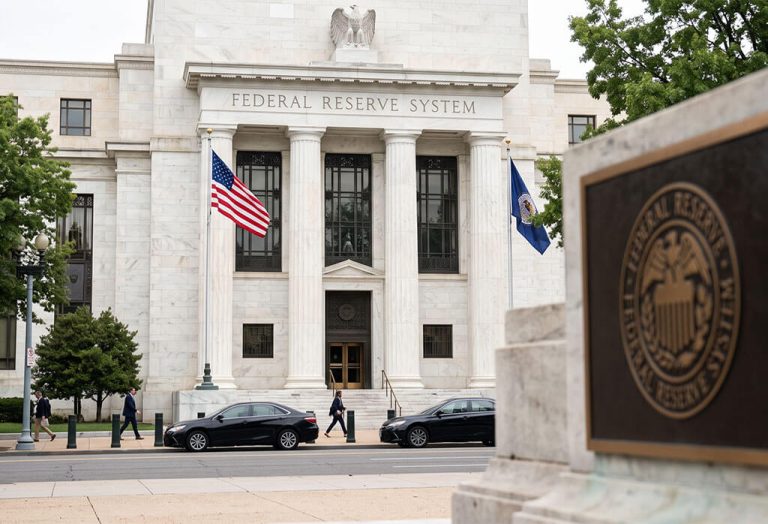
Behind the CBUAE base rate increase sits a US Federal Reserve rate hike of the same size. The Fed lifted its Interest Rate on Reserve Balances by 25 basis points and moved its target range to 3.75% to 4%. Because the dirham-dollar peg fixes the currency at 3.6725 to the dollar, the Central Bank tracks US policy closely to hold that line steady. When Washington moves, Abu Dhabi tends to follow within a day or two. This was the first increase in the UAE rate cycle since 2023, and it reversed a cut made late last year that had taken the rate down to 3.65%. Markets had largely expected the shift, so the reaction at home was calm.

What it means for your home loan

Here is where the numbers reach the kitchen table. Changes in the base rate feed into EIBOR mortgage rates, the Emirates Interbank Offered Rate banks use to price home loans and other credit. If you hold a UAE variable-rate mortgage, your monthly payment could rise the next time your rate is reviewed. A homeowner carrying a large variable loan may pay several thousand dirhams more over a year. Fixed-rate borrowers sit in a calmer spot. Your rate stays put until the fixed term ends, so nothing shifts right away. When that term does end, the loan could be repriced at whatever rate applies then.

Who gains and who pays more

The CBUAE base rate increase does not land on every wallet the same way. Savers may see better returns if banks pass the increase into deposit products, which rewards anyone keeping cash aside. Businesses face the other side of the ledger. Firms carrying variable loans, especially in real estate, construction and SME financing, could see borrowing costs climb while energy and shipping bills already weigh on margins. The effect spreads slowly, through repricing dates and new credit rather than an overnight jump. Households and companies that planned ahead for tighter conditions will feel less of a jolt.

What to watch next

The Central Bank has little room to steer its own course while the peg holds. That keeps attention on the Fed and its next meeting, where policymakers will weigh inflation and jobs data before deciding whether more increases are coming. For UAE residents, the practical questions are close to home. Check whether your mortgage is fixed or variable. Ask your bank when your rate resets. If you are shopping for a loan, factor in that credit costs a little more than it did a week ago. Small steps, but they add up when rates are on the move.

Share this post

on your favourite social platforms

or copy the link