



icnlive

NBQ’s 2026 half-year profit came in at AED271 million for the six months to 30 June. Behind that figure sit the depositors,

Trending Banking

UAE banks phase out OTPs

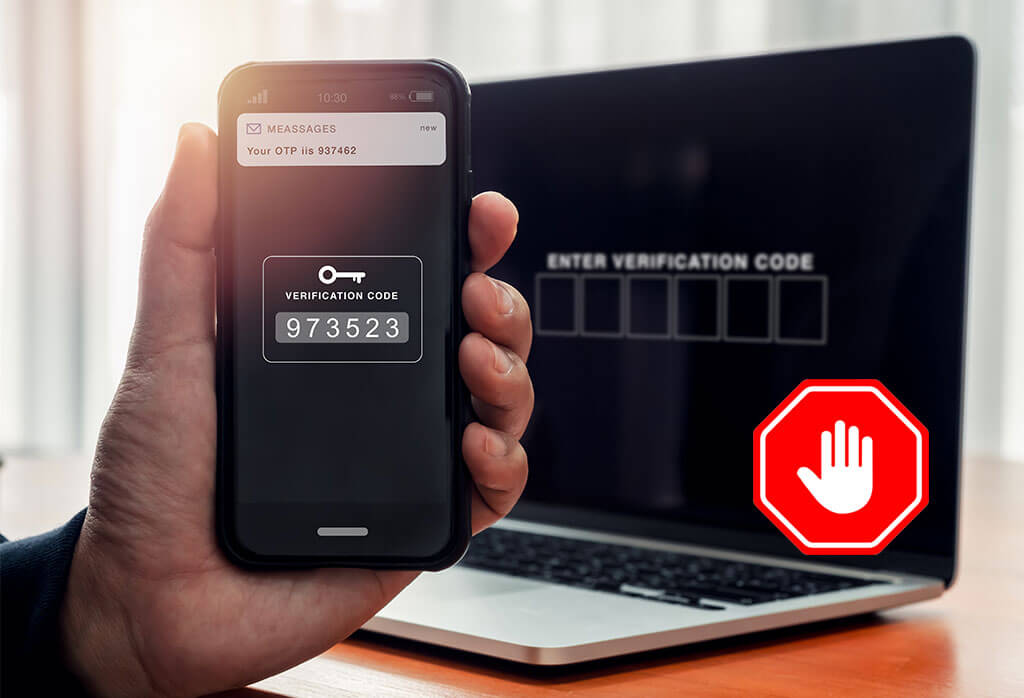
UAE banks phase out OTPs to protect your money from rising online fraud and theft. The shift replaces text message codes with secure approvals inside your everyday banking app. Lenders across the country now move customers to in-app authentication banking for daily payments. Customers receive a quick notification, check the details, and confirm with a fingerprint or face scan. This method blocks the SIM swap scams and phishing tricks behind many recent losses.

The UAE Central Bank OTP directive sets a clear deadline for every licensed lender. By the March 2026 OTP deadline, all banks must drop text and email codes. Regulators issued the rule in July 2025 and gave lenders roughly twenty months to comply. Online fraud keeps rising worldwide, so the country wants stronger and faster protection for you.

Many lenders moved early because fraud cases climbed sharply over the past twelve months. Banks now carry the full cost of fraud linked to old OTP based logins. New liability rules push every lender to adopt safer tools quickly without long delays. Commercial Bank of Dubai began the switch early this year with an in-app secure code. Adoption came fast, and the bank now runs all secure online card checks this way.

How the new approval works

A CBD spokesperson said over 80 per cent of active users now use the secure code. The lender said the response shows strong demand for a safer digital authentication experience. Emirates NBD has moved more than 2.5 million card customers to in-app approvals already. Dubai’s largest bank ran the move gradually so customers kept a smooth and secure experience. The lender partnered with Emirates Face Recognition to support strong biometric banking verification for payments. It expects to finish all remaining journeys by mid-March, ahead of the official cutoff.

Digital payments keep growing fast across the country, which raises the value of tight security. Banks expect digital payments to reach 132 billion dollars by 2028 from 43 billion in 2023. Stronger logins protect this growth and keep your savings safer during every online transaction. From my standpoint, this dual focus on safety and speed gives customers real long-term value. The SMS OTP phase-out UAE plan aligns with similar moves in Singapore and Malaysia. Those countries dropped text codes after phishing scams hit many everyday bank account holders. Security experts say the country now leads the region in app-based payment approvals. You should download your bank app and register before the rule takes full effect.

Why UAE banks are phasing out OTPs now

UAE banks phase out OTPs because text codes no longer stop modern fraud attacks. Criminals can intercept a code, but they cannot copy your fingerprint or face scan. When UAE banks phase out OTPs fully, your everyday transactions become harder to hijack. Commercial Bank of Dubai said it stays focused on a compliant and secure customer experience. Acting now means UAE banks phase out OTPs smoothly while you keep banking without stress. The next few weeks will define how the country secures its fast-growing digital economy.

Omla Community Bank

Omla Community Bank has received in-principle approval from the Central Bank of the UAE. The new lender will start operations in Umm Al Quwain over the coming year. Mint Gateway and Alternative Venture Capital announced the approval milestone on Wednesday, May 13. Alternative Venture Capital operates as a subsidiary of the larger Abu Dhabi Capital Group. This bank plans to expand its services across all seven emirates in due time. Founder Abdulrazzaq Al Abdulla leads the venture as Chairman of Mint Gateway and GBS Holding. He thanked the Umm Al Quwain government and regulators for their trust and clear support. Al Abdulla called the approval a strategic step toward a fresh digital banking UAE model. He said the in-principle approval “represents a defining milestone” in their banking vision. You should know the bank still needs final regulatory review before any public launch. The founders position Omla Community Bank as a community lender for workers and small firms.

Omla Community Bank builds an AI-native model

Omla Community Bank works as an AI-driven institution designed for the UAE from its inception. The team built AI-powered banking UAE features across customer experience, compliance, and risk management. Intelligent automation and advanced digital tools support the bank’s daily operations and governance work. Artificial intelligence also guides cybersecurity, core banking systems, and transparency across the entire platform. You can expect faster service because the model handles routine tasks through smart automation. Al Abdulla said the bank targets responsible AI use and steady growth for local communities. My analysis indicates the AI-first design separates this lender from older, slower banking systems.

Every day needs come first

The bank wants to serve everyday needs beyond traditional accounts and basic money transfers. Omla Community Bank plans support for housing, education, healthcare, and reliable daily transportation services. Its platform will also cover public services, food, and everyday commerce for many residents. The founders want to widen financial inclusion for families, entrepreneurs, workers, and small enterprises. Al Abdulla noted the bank will follow a relaxed culture with a clear no-tie policy. You can see how this approach blends modern finance with simple, practical daily living.

A broad suite of digital services

The lender will offer digital accounts, payments, transfers, savings, and fast cross-border remittance options. Customers will gain responsible financing, vehicle financing, and lifestyle products tied to rental needs. The bank also builds merchant payment tools and strong SME banking services for businesses. AI-powered financial insights will help you track spending and plan your money with confidence. These services support the UAE’s goals around SME growth and steady digital economy development. The Central Bank of the UAE will review every product before the official launch date. Omla Community Bank joins other digital lenders like Wio Bank and the new Reem Bank. Al Maryah Community Bank also serves micro-enterprises and other underserved customer groups across the country. These lenders target growth segments that the bigger banks often overlook in the wider market. Omla now competes in a crowded field built on speed, access, and lower service costs. For you, the bigger story shows how technology now reaches core financial services here. Their next phase will shape banking access for many UAE residents in the years ahead.

UAE Tourist Identity

UAE Tourist Identity now gives every visitor instant access to the UAE banking system. The Central Bank of the UAE, known as CBUAE, launched this service alongside two key government partners. The Federal Authority for Identity, Citizenship, Customs and Port Security, called ICP, joined the effort. Abu Dhabi Commercial Bank, known as ADCB, completed the three-way partnership behind this rollout. Together, these bodies created a fully digital path for non-residents entering the country.

Before this initiative, visitors faced a document-heavy process to open any UAE bank account. Long forms, branch visits, and paper verification slowed down access for millions of annual tourists. The new system removes those barriers by replacing paperwork with a verified digital identity. ICP issues the Tourist Identity to each visitor upon arrival using facial recognition technology. That identity connects directly to ADCB mobile banking through a fast and secure mobile app.

You can now open a full bank account in minutes without visiting any physical branch. The process relies on the UAEKYC biometric verification framework built by ICP for secure checks. Artificial intelligence algorithms power the identity confirmation at every step of onboarding. Once your identity is cleared, ADCB mobile banking grants you an instant digital debit card. You can begin spending, transferring, and receiving money before you leave the airport.

UAE Tourist Identity Reshapes How Visitors Access Digital Payments

UAE digital payments infrastructure now reaches tourists from the very moment they land. The initiative connects new accounts to Jaywan, the national card scheme operating across the country. It also links visitors to Aani, the UAE instant payment platform used for real-time transfers. Saif Humaid Al Dhaheri, Assistant Governor for Banking Operations and Support Services at CBUAE, said the initiative delivers “an integrated and secure banking experience for visitors from the moment they arrive in the UAE.” That access gives tourists full participation in a cashless economy designed for speed and safety.

UAE financial inclusion has long been a national policy goal for government and regulators alike. Extending that inclusion to non-residents marks a clear shift in how the UAE defines financial access. As I see it, this move sets a regional benchmark that other Gulf states will watch closely. Visitors from any country now enter a financial system built for them, not just residents. That shift carries weight for both the tourism economy and the country’s global financial reputation.

Major General Suhail Juma Al Khaili, Acting Director General of Citizenship at ICP, said the Virtual Tourist Identity system enables sectors to deliver services to visitors “with ease and security, without the need to present or exchange traditional documents.” His statement reflects how deeply the biometric verification of the UAE infrastructure has matured in recent years.

ANOTHER MUST-READ ON ICN.LIVE: Google Invests in Anthropic AI With Up to $40 Billion in New Deal

UAE Tourist Identity Signals a Broader Digital Transformation Push

The initiative aligns with clear directives from the UAE leadership to build a digital payments society. Officials want to reduce cash use across retail, hospitality, travel, and service sectors nationwide. Stronger consumer protection frameworks also form a core part of this financial modernisation effort. ADCB Group CEO Ala’a Eraiqat said the bank’s role “supports innovation in banking while aligning financial services with the UAE’s growing tourism economy.” His words confirm that private sector commitment runs as deep as government policy behind this programme.

For you as a traveller, the practical benefits arrive immediately upon landing in the UAE. No queues at currency exchange counters and no need to carry large amounts of physical cash. Your verified digital identity becomes your financial passport for the entire duration of your stay. The system also strengthens security by tying every account to a confirmed biometric profile upon entry. That layer of protection benefits both visitors and the financial institutions serving them.

UAE Tourist Identity now positions the country as a global reference point for visitor banking access. The UAE digital payments ecosystem gains millions of potential new users through this single initiative. With 2026 tourism targets driving policy, the government needs every visitor touchpoint to perform efficiently. Digital bank account tourists can now experience the UAE’s financial system without friction or delay. The UAEKYC framework gives that experience a secure and scalable foundation for years ahead.

UAE financial inclusion no longer stops at the border. This programme proves that a government, a regulator, and a commercial bank can align quickly around a shared national goal. Other financial hubs will study this model as they compete for the same global travellers. The UAE has placed a clear marker on the future of visitor banking, and the world is watching.