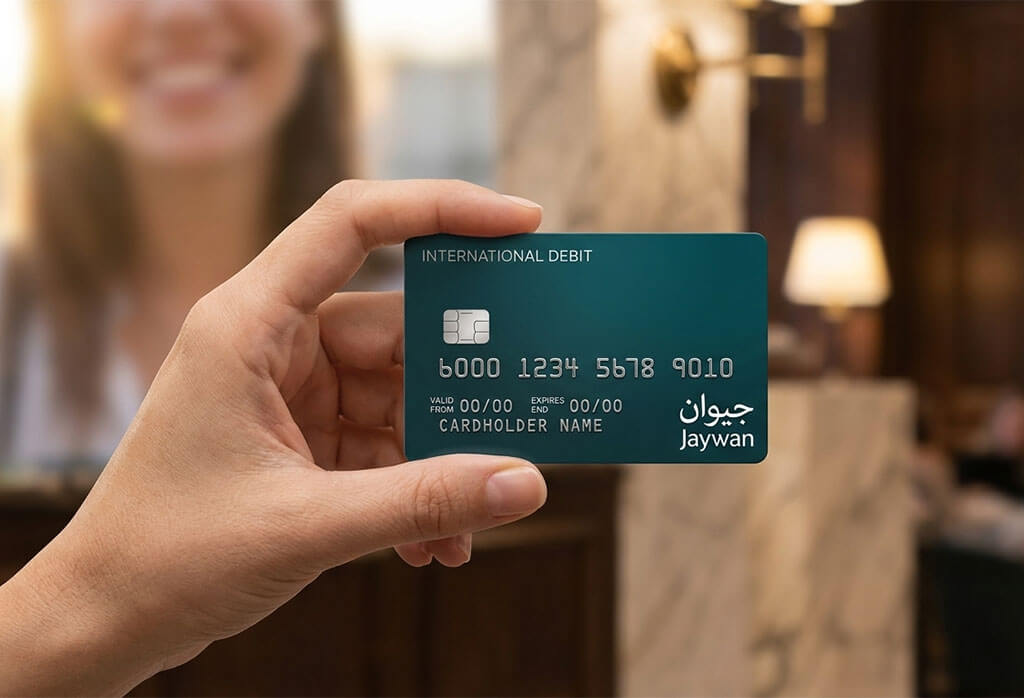



Jaywan, the UAE’s first domestic card scheme, will carry a Mastercard badge on a new credit card under a partnership announced by Al Etihad Payments. AEP owns and operates the country’s national card switch and the Jaywan scheme, and it is a wholly owned unit of the Central Bank of the UAE. Both sides describe the deal as a first-of-its-kind arrangement. At its centre sits the world’s first Jaywan-Mastercard co-badged credit card.
A co-badged card runs on two payment networks at once. One network clears payments inside the country. The other clears payments abroad. On these products, Jaywan handles domestic transactions, and Mastercard handles international ones. That split lets a single Jaywan card work at home and across Mastercard’s global network. Credit adds a borrowing line that earlier Jaywan debit and prepaid cards did not offer.
New infrastructure inside Mastercard’s network
The agreement goes past a logo on plastic. AEP and Mastercard will build advanced systems for switching and processing card payments. They will also open a new operations centre in the UAE. This centre becomes a node in Mastercard’s global network, built to process both domestic and international payment flows. Mastercard will act as the prime international scheme for the Jaywan credit card program. The UAE will be among the earliest markets to run Mastercard’s latest technology and services.
Security built into UAE digital payments
Mastercard will deploy next-generation payment technology that powers Jaywan debit, prepaid and credit co-badge products. The package covers switching, processing and value-added services. It also brings Mastercard‘s cybersecurity, fraud prevention and threat intelligence tools into UAE digital payments. Threat intelligence means tracking known attack methods so a network can block them before they spread. These systems scan transactions for patterns that signal fraud, such as odd amounts or locations.
What it means for banks and merchants
The partnership reaches past cardholders. AEP wants banks, fintechs and merchants on shared, modern rails. Mastercard’s system gives these players more functions to serve customers and run their businesses. The operations centre will serve local and regional markets, not the UAE alone. That regional role could route more payment traffic through the country and support local innovation.
Why the UAE’s first domestic card scheme matters
The UAE’s first domestic card scheme was built to reduce reliance on foreign networks and to keep payment data inside the country. Adding Mastercard gives Jaywan cardholders reach beyond national borders without giving up local control. Saif Humaid Al Dhaheri, the Central Bank’s Assistant Governor for Banking Operations and Support Services and Chairman of Al Etihad Payments, called the collaboration a defining moment for the country’s payments ecosystem. He said pairing national infrastructure with global innovation strengthens sovereignty, resilience and choice.
Dr. Dimitrios Dosis, President for EEMEA at Mastercard, said the company marks forty years in the UAE this year. He tied the partnership to growth in trade, tourism and commerce. Jaywan became the UAE’s first domestic card scheme after development with earlier partners, and nationwide card issuance moved ahead in 2026. AEP has since signed co-badge deals with Visa, Mastercard, Discover and UnionPay. The new credit card extends earlier Jaywan-Mastercard debit and prepaid products.
For now, the UAE’s first domestic card scheme adds a credit product built to work well beyond national borders.