
icnlive

ICN.live

Rami Al-Saadi

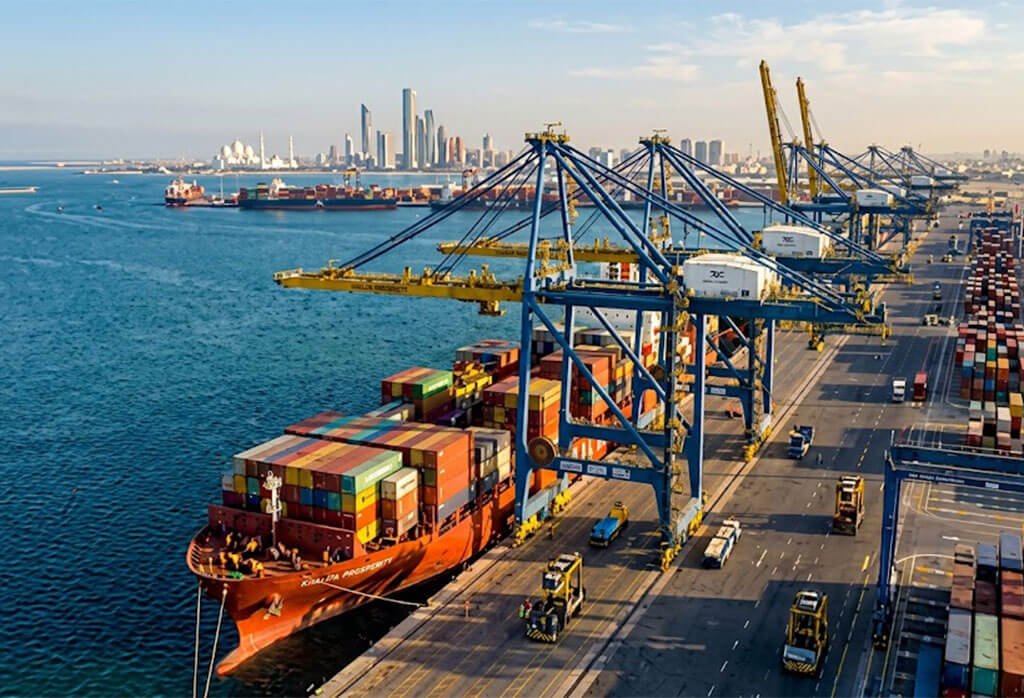
  • AD Ports Group launched a new service linking Khalifa Port and Umm Qasr Port in Iraq.
  • The direct weekly shipping service moves containers and Ro-Ro cargo between the two ports.
  • The route strengthens the UAE-Iraq trade corridor and reaches Lebanon, Syria, Jordan, and the GCC.
  • Group CEO Captain Mohamed Juma Al Shamisi said the move supports customers and regional connectivity.

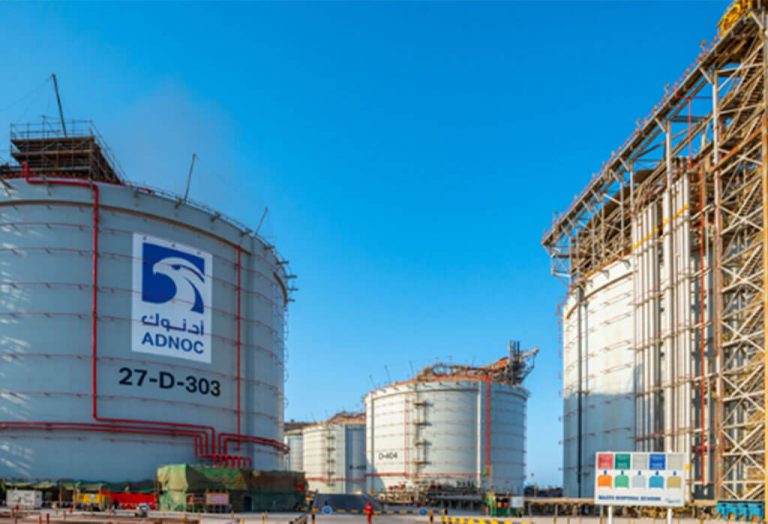
AD Ports’ integrated logistics services now link Khalifa Port with Umm Qasr Port in Iraq. The new route carries growing container and Ro-Ro cargo between these two busy ports. You now gain a direct weekly shipping service connecting the UAE with key Iraqi markets. AD Ports Group built this route to support trade across the wider Gulf region. The service moves cargo through the growing UAE-Iraq trade corridor every single week. Trade flows reach Lebanon, Syria, Jordan, and the wider GCC markets through this link. The route also strengthens trade ties with Türkiye and Europe for many regional businesses.

You can move goods faster because the two ports work under one clear system. AD Ports Group set up storage and handling tools at both ports for this work. These tools let teams store, handle, and move cargo with less delay and waste. Strong handling capacity helps shippers plan routes and protect their goods during long sea voyages. The Group views the link as part of a wider growth plan for trade. Officials want steady routes because reliable trade builds lasting trust among shippers and buyers. As I see it, this move gives smaller traders a real chance to grow.

AD Ports’ integrated logistics services widen the UAE-Iraq trade corridor

AD Ports integrated logistics services to give the region a stronger and steadier trade link. The weekly shipping service runs on a fixed plan, so you can schedule shipments early. Captain Mohamed Juma Al Shamisi leads AD Ports Group as Managing Director and Group CEO. He said, “We remain committed to expanding our integrated logistics ecosystem to better serve customers.” His words point to a clear plan for stronger regional connectivity logistics across markets. The CEO added that the route gives firms access to diversified and resilient trade corridors.

Diversified corridors help your business stay strong when one route faces delays or risk. The Khalifa Port Umm Qasr route now offers shippers one clear and steady channel. Reliable channels lower costs because firms plan loads early and avoid sudden route changes. AD Ports Group also wants the route to open fresh chances for local firms. New chances mean more jobs, more trade, and more growth across the GCC market. You see how one route can lift trade for an entire group of nations. The link also supports stronger regional connectivity logistics for ports along the trade path. Stronger ports handle more ships, cut wait times, and keep cargo moving without stops. These services now give the region a strong base for future trade and growth.

Why the new route matters for you

You gain faster delivery, clearer costs, and steadier supply chains through this single route. AD Ports’ integrated logistics services keep goods on the move between the UAE and Iraq. Businesses across the UAE-Iraq trade corridor now plan with far greater future certainty. The new path shows how strong ports lift trade for whole regions over time. This approach reflects a regional connectivity logistics strategy built for steady, lasting trade growth. You can expect this corridor to carry more trade as demand keeps rising steadily. AD Ports Group plans to keep building links across the Gulf and beyond it.

TAGS

EXPLORE MORE ON:

UAE Ranks Sixth in Global Muslim

The Global Muslim Travel Index 2026 placed the United Arab Emirates sixth among the world’s leading Muslim-friendly destinations, a ranking that hands the country a governance test as much as a tourism win. Mastercard and CrescentRating released the 11th edition of the Global Muslim Travel Index 2026, scoring the UAE at 75 and awarding it a perfect 100 for halal dining and prayer facilities. The result reflects years of policy work on air links, transit and visa rules. Yet the report raises a sharper question about who controls the systems travelers now trust to plan their journeys.

What the ranking rewards

The index assessed 150 destinations, covering more than 98 percent of global Muslim visitor arrivals. It scored each one across the ACES framework: Access, Communications, Environment and Services. The UAE held its standing as one of the most accessible destinations, helped by strong air and land connectivity, efficient public transit and seamless visa policies. Malaysia kept the top spot for the eleventh year running with a score of 83, reinforcing its lead in halal tourism and Muslim-friendly services. Türkiye, Saudi Arabia and Indonesia shared second place at 79 each. Qatar ranked fifth at 76.

Global Muslim Travel Index 2026 tracks a growing market

The Global Muslim Travel Index 2026 projects international Muslim arrivals to reach 208 million this year, up from 196 million in 2025. By 2030, the figure could climb to 262 million, with annual spending estimated at $310 billion. Those numbers set the stakes for the Muslim travel market. They also explain why governments treat destination readiness as economic policy, not hospitality alone.

AI shifts who holds the trust

GMTI 2026 found that 80 percent of Muslim travelers surveyed now use AI tools to plan trips. These platforms locate halal dining, find prayer spaces, compare transport routes, and offer tailored recommendations. For travelers who must confirm faith-based needs before and during a journey, that support carries weight. The report warns of a harder consequence. Destinations that fail to digitize their Muslim-friendly services risk exclusion from AI-driven recommendation systems, whatever the quality of their physical infrastructure. Competition is moving from what a destination offers to whether an algorithm can see it. That shift places private technology firms at the center of public tourism outcomes, and it raises real questions about accountability. Who audits the systems that decide which destinations a traveler sees? The report points to e-visas, biometric borders, AI chatbots and real-time translation as tools that cut friction across the trip.

UAE Muslim travel leans on human support

Digital tools have spread fast, yet direct human help still matters, in Arabic and English above all. The UAE has invested in trained frontline staff, tourism portals, clear transit signage and detailed travel guides. Such communication lets visitors find help while feeling respected and included. On this measure, the country ranks among the leaders. Mastercard CrescentRating frames the wider picture through resilience. Rising fuel costs, geopolitical tensions and airspace disruptions are pushing people toward closer, more predictable destinations. The report calls this a move toward home-continent mobility, where travelers adjust plans rather than cancel them. For the UAE, the task now is holding its place as both a physical hub and a trusted name inside the digital systems that shape how people travel.

Warren Buffett ends donations to the Gates Foundation

Warren Buffett ends donations to the Gates Foundation after nearly two decades of loyal support. The 95-year-old former Berkshire Hathaway CEO gave nothing to the charity this donation cycle. Instead, he moved 12 million Class B Berkshire Hathaway shares, worth nearly $6 billion, to family. Every share went to four Buffett family foundations run by his three grown children. This decision ends a giving partnership worth roughly $48 billion over the past 19 years. You are watching one of the largest shifts in modern American philanthropic giving unfold.

Inside the Warren Buffett Gates Foundation break

Buffett first pledged his fortune to the Gates Foundation back in the year 2006. He called the promise irrevocable while either Bill or Melinda Gates stayed active there. Gifts flowed every summer as Berkshire stock climbed and the charity expanded its reach. Their friendship began in 1991 and later produced the Giving Pledge for wealthy donors. You once saw the two men praised together as models of generous, disciplined wealth. Cracks appeared in 2021 when Gates ended his marriage to philanthropist Melinda French Gates. Buffett resigned as a foundation trustee two months after the couple announced their split. The rift widened as fresh questions rose about the Microsoft founder and old contacts. Watchers ask why Warren Buffett ended donations to the Gates Foundation after such loyalty.

Bill Gates Epstein ties deepen the split

Bill Gates Epstein ties became the biggest strain on this long philanthropic relationship recently. Justice Department files this year detailed how Epstein cultivated many people close to Gates. Gates told a House committee he deeply regretted ever meeting the disgraced financier Epstein. He has denied any role in the financier’s crimes throughout the entire public inquiry. Reporters say the review by law firm WilmerHale should finish its work this summer. The firm looks at Epstein’s decade-long push to reach advisers around the whole foundation. Buffett paused his usual midyear gift while he waits for those findings to arrive.

He told CNBC back in March he had not spoken with Gates for months. Records show Buffett sent the Gates Foundation more than $47 billion in stock overall. Last year Buffett still sent the Gates Foundation about $4.6 billion in Berkshire stock. My analysis indicates the Epstein cloud pushed Buffett toward a cleaner, family-only giving plan.

Why Warren Buffett ends donations to the Gates Foundation now

Warren Buffett ends donations to the Gates Foundation and now backs his own family instead. The Susan Thompson Buffett Foundation takes 9 million shares worth about $4.5 billion today. Buffett founded the charity in 1964 and named it for his late wife Susan. The foundation has funded reproductive health work and college scholarships for many years now. His daughter Susie chairs the board and also runs the separate Sherwood Foundation now. Two sons, Howard and Peter, each guide a foundation receiving 1 million shares apiece. Buffett said, “My goal is to dispose of all of my Berkshire shares within about eight years.”

By the end of 2034, his whole Berkshire stake should reach these four groups. The Gates Foundation thanked Buffett and said it will stay strong for its work through 2045. For everyday readers, the message shows how personal trust now shapes giant charity choices. As Warren Buffett ends donations to the Gates Foundation, you see priorities turn fully homeward.

China moves against Hormuz's oil price shocks

China moves against Hormuz’s oil price shocks by leaning on a growing electric taxi fleet. Across big cities, you now see more riders picking cabs over their own petrol cars. People took 3.05 billion trips in May, a 6% rise since the Iran war. Fares keep falling even while pump prices climb steadily across the whole country right now. A wave of new drivers and cheap electric cars pushes those low prices even lower. Many workers chase ride-hailing jobs in a slow economy, so competition among drivers grows. Cheaper fares then pull in more riders who want to skip their rising petrol bills.

Li, a 36-year-old Beijing driver, says fares fell 10% to 15% in six months. He told Reuters at a charging station how tough the competition now feels for drivers. Yang, a 45-year-old car owner, now prefers a taxi when petrol prices run high. She skips parking hunts and fuel costs on trips too far to reach by bike. Social media posts since March show riders swapping their own cars for cheaper cab trips. This small daily choice, repeated millions of times, reshapes national fuel demand quite fast.

China moves against Hormuz’s oil price shocks with a cleaner fleet

About half of China’s 1.3 million taxi fleet already runs on electric power today. In major cities, China’s electric taxis reach nearly the entire working fleet on the road. Didi added 2 million more electric or hybrid cars to its fleet last year. Its non-fossil fleet now totals 8 million cars, with EVs doing 75% of mileage. You can see the clear payoff in the national fuel numbers from May this year. China burned 10% less gasoline and 14% less diesel than the same month last year. Road freight still rose 2%, and holiday travel hit an all-time high in May.

As fuel prices have gone up, people are driving their own petrol cars less, said Daizong Liu. He leads East Asia work at the Institute for Transportation and Development Policy in China. Overall travel demand keeps rising, so more trips shift to taxis and the subway. Subway ridership also climbs as many commuters trim spending on their own petrol cars. Each cheap electric trip shows how China moves against Hormuz’s oil price shocks in practice.

Strait of Hormuz oil pressure meets a shifting travel habit

This shift helps explain how China’s oil imports fell 41% in June from last year. Beijing managed this steep drop without heavily draining its own large strategic oil reserves. Freed cargoes then eased a tight global market and kept oil prices in check. An oil price shock hits importers hardest when they cannot swap fuel for power. Analysts read the EV ride-hailing China trend as a real national energy defense right now. Greenpeace expects 90% of taxi and rideshare mileage to run on electricity by 2035.

From my standpoint, this dual trend reshapes how markets should price China’s oil demand. J.P. Morgan says the conflict left China less dependent on oil than markets assumed. You should watch this pattern as fuel prices settle back toward pre-war levels again. China moves against Hormuz’s oil price shocks in a way few big importers can match.

Share this post

on your favourite social platforms

or copy the link