


Fans set new online records while the league celebrated its strongest ratings in decades. Social media viewership reached record highs during the 2026 NBA Finals between New York and San Antonio. The Knicks won their first championship in 53 years, and millions of fans watched everywhere. Games drew 20.6 million average viewers on ABC and ESPN, the most since 1998. Social platforms told a bigger story with 15 billion views across the five-game series. This figure nearly tripled the previous record, showing how fans now follow the action. Merchandise sales also hit a league record within the first day after Game 5.
Records fall on every screen
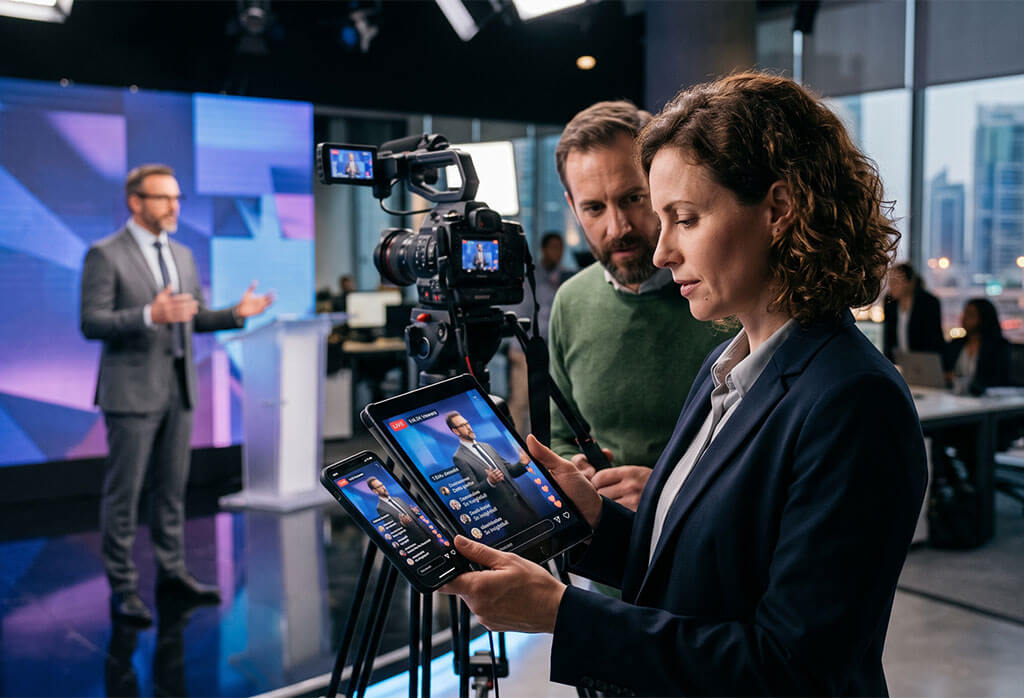
NBA Finals viewership climbed as young fans mixed live games with quick online clips. Game 5 alone pulled more than 4 billion views across the major social platforms online. A record comeback in Game 4 spread across feeds within minutes of the buzzer. Many viewers watched sports highlights on TikTok and YouTube instead of every full broadcast. An S&P Global report found 68 percent of fans still watch live games somewhere. About 38 percent watch clips and interviews on social media and other video sites. YouTube holds the largest share of all streaming time, according to Nielsen tracking reports. Global searches for the Knicks and Spurs reached all-time highs during the series run. These numbers explain why sports content on social media now shapes every league strategy.
Why social media viewership keeps climbing
Social media viewership grows because young fans want fast, shareable moments on their phones. Gen Z sports fans treat clips, memes, and reactions as part of the game. They follow teams through short videos rather than sitting for a whole live broadcast. Group chats and watch parties turn each game into a shared online social event. Short videos let fans follow teams during busy days without a long time commitment. Leagues see this shift and treat a young audience as a real business need. Teams now post behind-the-scenes videos and player clips to reach these younger viewers daily. Jonathan Miller, chief executive of Integrated Media, framed the stakes for team owners plainly. It is no longer a luxury to have a young base, Miller said clearly.
What broadcasters decide next
Broadcasters now face a hard choice about social media viewership and paid subscriptions online. Free clips build new fans, yet they can pull attention from costly live coverage. Live sports streaming still earns the most money through big television deals and subscriptions. Advertising also helps networks recover the huge cost of these long-term media contracts. The NBA works within an eleven-year deal worth 77 billion dollars with its partners. Rising fees push every network to earn back this spending as fast as possible. FIFA now lets broadcasters post the first ten minutes of each World Cup match. Each clip ends with a link, sending viewers toward the full paid live stream. New streaming viewers during the Finals skewed older, according to one audience tracking firm. From my standpoint, leagues win when free clips feed fans toward paid live games. Strong social media viewership can grow into loyal audiences for years to come now.