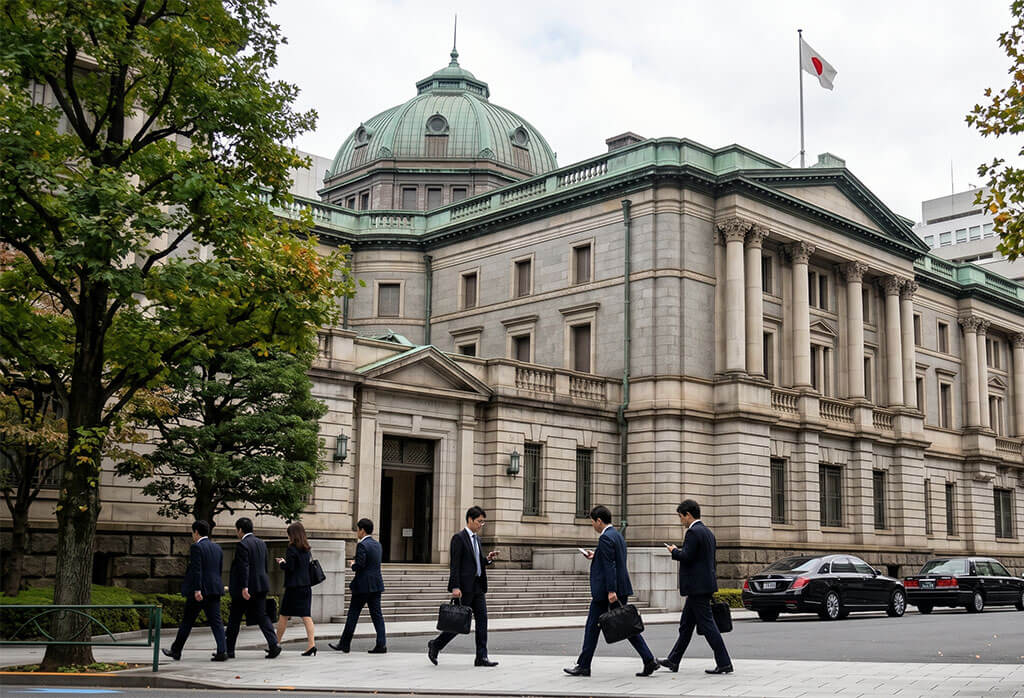



Bank of Japan interest rates climbed to a level not seen since 1995 on Tuesday. The central bank lifted its short-term policy rate to one percent from 0.75 percent. This BOJ rate hike was the first increase since December 2025, when rates reached 0.75 percent. You now watch a Japanese interest rate at a 31-year high reshape borrowing costs across the economy.
Rising energy prices and a weak yen inflation problem forced policymakers to act fast. The conflict in the Middle East drove up oil costs, which hit Japan hard. Japan depends heavily on imported oil and gas, so global price shocks reach consumers quickly. Wholesale prices in May rose over six percent from a year earlier, a three-year peak. Overall inflation reached 1.4 percent in April, still below the central bank’s two percent target.
For you as a reader, these numbers signal a real shift in money policy. Bank of Japan interest rates had stayed near zero for almost two decades before now. Deep rate cuts in the 1990s answered a sharp collapse in property and share prices. Prices fell, and growth stalled, so the economy stayed weak across many of those years.
Why Bank of Japan interest rates matter to you
Higher rates push up the cost of loans for homes, cars, and business spending. The government also pays more interest on its large debt when borrowing costs climb higher. Savers stand to gain because banks start offering better returns on deposits over time. A BOJ policy rate 1% target marks a clear break from years of cheap money. Officials want a normal policy after twenty years of fighting deflation and slow growth.
Governor Kazuo Ueda, Bank of Japan leadership faced a rare test during this meeting. He missed the policy vote while doctors treated him for an infected liver cyst. Eight board members made the call, and they backed the increase by a wide margin. Deputy Governor Ryozo Himino said Japan’s real interest rates still remain at extremely low levels. From my standpoint, this signals more increases ahead despite the leadership gap at the top.
What comes next for the yen and prices
The yen stayed weak this year, which raised import costs for fuel and food. A stronger policy stance can lift the currency and ease some price pressure later. Markets reacted calmly because most investors had expected this move from the central bank. Government steps to ease fuel costs lower the risk of a sharp economic downturn. Bank of Japan interest rates still sit low against most major economies around the world. Analysts expect more steps if inflation stays above the two percent goal for long. You should watch each meeting closely because every decision affects loans, savings, and prices. Bank of Japan interest rates now shape the path for households, firms, and global markets.
The road back to normal policy
The bank started lifting rates in March 2024 after seventeen years without a hike. Each step since then has moved Japan away from emergency measures toward steadier ground. Wage growth gives officials more room to keep tightening without harming the wider economy. Firms keep raising pay and passing higher labor costs into the prices you see. A clear plan helps the bank guide markets while it watches the Middle East risk. Your savings, mortgage, and spending plans all feel the weight of these new decisions.