

icnlive

WATCH LIVE. THINK BUSINESS.

© 2026 ICN.LIVE

ICN.live

The Dubai Financial Services Authority (DFSA) has introduced a series of regulatory initiatives and technological updates to streamline procedures, expand digital asset regulation, and integrate agentic AI across its operations to bolster the Dubai International Financial Centre (DIFC).

Over the past 12 months, the regulator updated its crypto token regime and revised securities regulations to limit offering rules strictly to DIFC-based issuances, reducing operational overlap while maintaining investor protection.

Updated crypto token rules came into force in January 2026, granting licensed firms greater responsibility for assessing tokens under strict risk management guidelines. The DFSA also recognised three fiat-backed stablecoins for financial services within DIFC and signed a memorandum of understanding with the Virtual Assets Regulatory Authority.

The authority launched public consultations to update the Islamic finance framework and initiated its largest review of the collective investment funds framework since 2010.

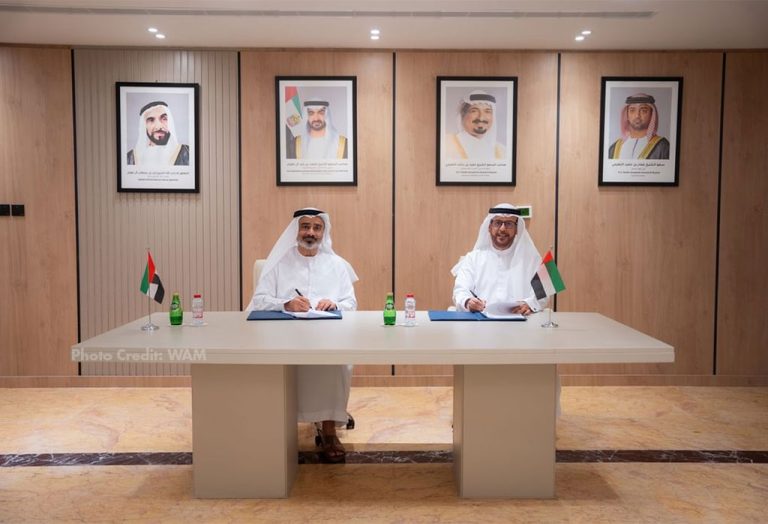
On the supervisory front, the DFSA signed an agreement with the Ministry of Economy and Tourism to enhance information sharing while continuing enforcement actions against regulatory breaches, including misleading conduct and non-compliance with suspicious transaction reporting.

Mark Steward, Chief Executive of the DFSA, said the regulator is building on its 21-year foundation by applying a risk-based approach that offers flexibility and transparency. He noted that DIFC’s attraction rests on a framework providing regulatory certainty, reducing complexity, and aligning standards across the region.

The developments coincide with significant growth across DIFC-supervised sectors in 2025. Total assets of operating banks reached $251 billion, up 19 percent year-on-year, while capital markets recorded $30.6 billion in new listings, led by sukuk and ESG-linked instruments. DIFC now hosts 27 of the world’s 29 systemically important global banks and China’s top five banks, contributing to Dubai’s rise to seventh globally in the Global Financial Centres Index.

In line with the Dubai Economic Agenda D33 and DIFC Strategy 2030, the DFSA’s second annual AI survey published in November 2025 revealed that 52 percent of DIFC firms now use AI technologies—up from 33 percent in 2024—with 60 percent planning further expansion in 2026. The regulator is also advancing cybersecurity resilience by upgrading third-party technology risk management and broadening cyber threat intelligence sharing.


IMPORTANT: CONTENT SUBMITTED BY THE CLIENT. THIS IS A PRESS RELEASE ARTICLE. PLEASE READ THE INFORMATION BELOW.

ICN.live neither validates nor guarantees the accuracy, reliability, or quality of the information, promotional materials, or products mentioned herein. Readers are encouraged to conduct independent due diligence before making any decisions related to the featured company. ICN.live bears no responsibility, directly or indirectly, for any harm, loss, or consequences that may result from reliance on or interaction with the content, services, or offerings described in this release.

The details shared in this announcement do not constitute financial, trading, or investment guidance. Readers are strongly advised to carry out independent research and seek advice from a qualified financial professional before making any investment or cryptocurrency-related decisions.

TAGS

EXPLORE MORE ON:

DFSA advances financial competitiveness
ADNOC Gas Q2 2026 net income

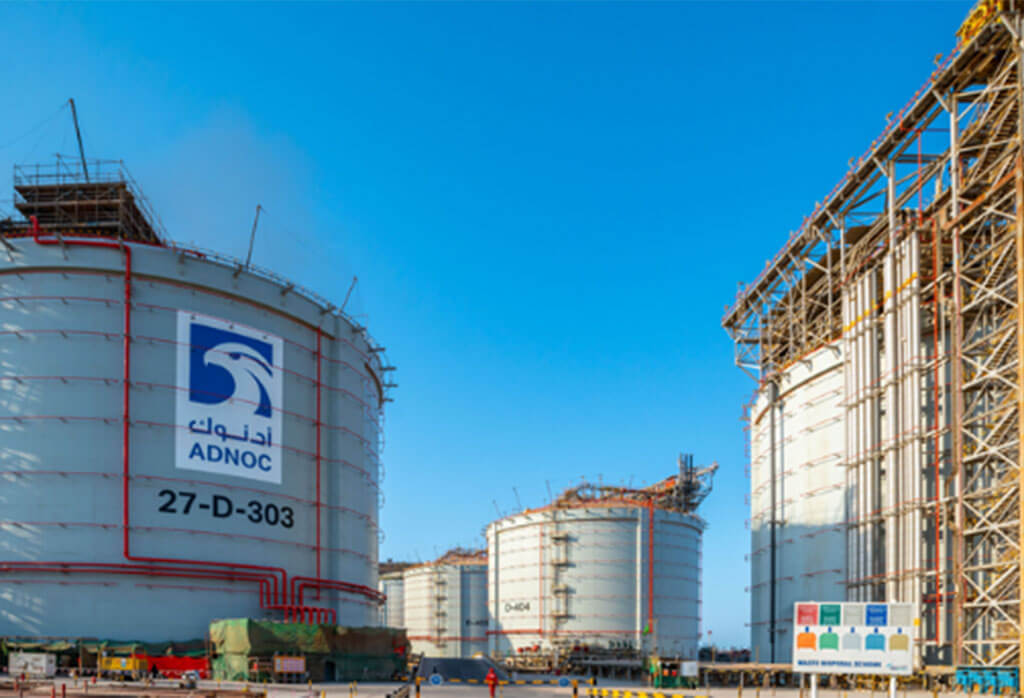
ADNOC Gas Q2 2026 net income reached $665 million, a figure that carries the strain of the months behind it. In early April, security-related incidents hit the Habshan processing site, and Reuters tied them to intercepted drone and missile attacks in the region. Supply from the site fell. Shipping through the Strait of Hormuz slowed. The company still cleared the top of its own forecast, which had run from $400 million to $600 million.

Margins in the domestic gas business held firm, and that steadiness carried the numbers when exports came under pressure. Recovery at Habshan moved faster than planned. Gas supply returned to 85 percent, past the year-end target the company had set in May. Managers leaned on inventory and rerouted logistics to keep customers supplied while the Strait of Hormuz disruption dragged on. ADNOC Gas supplies close to 60 percent of the UAE’s sales gas and reaches customers in more than 20 countries, so a stalled export lane touches a wide base. None of it erased the damage. It softened the edges.

A larger bet behind the numbers

The quarter’s real weight sits in a decision made beside it. ADNOC Gas took final investment decisions on Phases 2 and 3 of its Rich Gas Development project and awarded $8.2 billion in engineering, procurement and construction contracts. Wison Engineering won the $3.9 billion Phase 2 award to build a new gas processing train at Habshan. Tecnimont took the $4.3 billion Phase 3 award for a natural gas liquids fractionation train at Ruwais. Added to the $5 billion Phase 1 committed in 2025, total spending on the project reaches $13.2 billion. Chief Executive Officer Fatema Al Nuaimi framed the awards as a step up in ambition rather than steady progress.

ADNOC Gas Q2 2026 net income against a longer plan

Set against that spending, the ADNOC Gas Q2 2026 net income reads as one marker on a long line. The company lifted its ADNOC Gas EBITDA growth 2030 target to 60 percent versus 2023, up from an earlier goal of more than 40 percent through 2029. Reaching it means roughly $28 billion of investment between 2026 and 2030. Four megaprojects anchor the plan: Ruwais LNG, MERAM, the Rich Gas Development work, and Estidama, together expected to generate $13.4 billion in In-Country Value. MERAM is due in 2027, with the others advancing on schedule.

Part of the efficiency story runs through hardware. ADNOC Gas is putting aerial drones, four-legged inspection robots and tank-climbing crawlers across its sites. The company says the tools can cut some inspection costs by up to 75 percent and finish certain checks as much as 15 times faster. They also pull workers out of hazardous spots. The direction points toward more autonomous operations over time, and it feeds the same goals behind the earnings.

Dividend and the road ahead

Shareholders drew a clear signal. The board approved a $940 million ADNOC Gas dividend for September, holding to a promise of 5 percent annual dividend growth through 2030. ADNOC Gas remains the largest dividend payer on the Abu Dhabi exchange. Guidance for the third quarter runs from $600 million to $800 million, and it assumes the Strait stays contested. If maritime routes reopen by the fourth quarter and pricing steadies, the company expects full-year net income between $3.5 billion and $4 billion. The ADNOC Gas Q2 2026 net income gives that range a firmer base. Read against a year ago, the picture is harder. Reuters reported net income fell 52 percent from $1.39 billion in the same quarter of 2025. The ADNOC Gas Q2 2026 net income shows a company earning through the pressure, not around it.

Myriam Fares first concert in the Netherlands

Myriam Fares’ first concert in the Netherlands is scheduled for Friday, October 2, 2026, at Het Concertgebouw in Amsterdam. The Lebanese singer will share the stage with her full live band. SOUK Amsterdam Arabic Festival presents the show, and an afterparty follows the performance. This date is her Dutch debut after more than two decades on stage.

Who is Myriam Fares

Fares is known across the Arab world as The Queen of Stage. Her career began in 2003 and has spanned more than twenty years. Live shows blend Arabic musical traditions and instruments with modern pop, choreography and dance. She works as a singer, performer and songwriter, drawing on influences from several parts of the Arab world. Beyond music, she has also worked as an actress, producer and entrepreneur.

The venue sits at the center of the plan. Het Concertgebouw Amsterdam ranks among the city’s best-known concert halls, and it has hosted the SOUK festival in past years. This edition places Fares in the Main Hall with her own band. The concert brings the performer to Dutch audiences for the first time. Arabic pop, dance and live music fill the evening inside the historic building. Myriam Fares’ first concert in the Netherlands caps a run of high-profile appearances abroad.

Recent releases and tour dates

Fares performed during the Qatar Formula 1 Grand Prix. She reached a wider global audience with Tukoh Taka, the official FIFA Fan Festival anthem for the 2022 World Cup, recorded with Nicki Minaj and Maluma. Her track Goumi became a global dance hit, with millions of people joining its challenge on TikTok. A Netflix documentary, Myriam Fares: The Journey, gave viewers a closer look at her personal life and creative work. Recent Myriam Fares tour dates and stage shows have carried her across the region and further afield. In 2025, she released La Habibi. Her latest single, Ma Btaarefne, arrived in June 2026 through her own label, Myriam Music.

How to attend the concert in the Netherlands

Planning for the first concert in the Netherlands starts with the ticket date. Myriam Fares concert tickets go on sale on Friday, August 7, 2026. SOUK Amsterdam Arabic Festival organizes the event, so ticket details run through the festival and the venue. The Main Hall seating and the planned afterparty give attendees a full evening rather than a short set. For fans across Europe, Myriam Fares’ first concert in the Netherlands offers a rare chance to see the performer live in the region. The date falls on a Friday, which suits travel plans for visitors from nearby countries.

Share this post

on your favourite social platforms

or copy the link