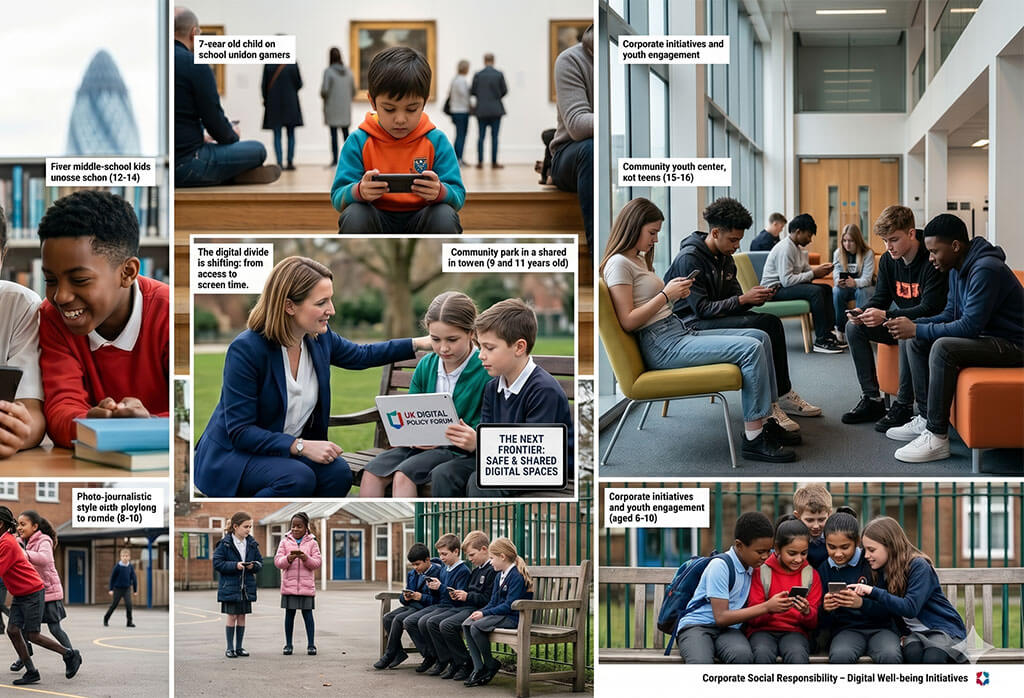



UK social media ban for under-16s will reshape how young people use the internet. Prime Minister Keir Starmer announced the plan on Monday from Downing Street in London. The rules take effect early next year and target several popular apps at once. Snapchat, TikTok, YouTube, Instagram, Facebook, and X will all fall under the new restrictions. Messaging tools like WhatsApp and Signal stay open, along with the separate YouTube Kids service.
Why Starmer wants firm new limits
You might wonder why the government picked the age of 16 as its line. Officials point to rising worries about harmful content and long hours spent scrolling each day. The prime minister, a father of two teenagers, framed the problem in personal terms. He said, “Social media is making children unhappy,” and pledged firm national action soon. Many families told him they want change, and he promised to support them now. Over the weekend, the government launched a 132.5 million activities fund for children. The Every Child Can program pays for sport, art, and nature across local communities.
What the UK social media ban for under-16s covers
Technology companies, not children or parents, will face the penalties under the British plan. Firms risk multimillion-dollar fines if they fail to keep young users off their platforms. Britain models the UK social media ban for under-16s on Australia’s pioneering 2025 law. The under-16 social media ban there began in December and still meets weak enforcement. Australian regulators found that seven in ten parents whose child kept a restricted account anyway. Britain plans stronger steps and will go further than Australia’s earlier model, Starmer said. Officials also want to stop strangers from contacting children on gaming and livestreaming services.
The clash between safety and access
You will soon hear a sharp debate about whether a blanket rule can truly work. YouTube and Meta both warned that the plan might push children toward riskier online spaces. A YouTube spokesperson warned that the bans push children toward “anonymous, less-safe services” online instead. Meta, the parent firm behind Facebook and Instagram, raised the same concern about controls. Starmer admitted some teens will try to dodge the rules, yet stood by his goal. He compared the plan to alcohol laws, which limit sales even when teens still drink. Critics question whether a wide ban can work without strong age checks behind it.
Supporters welcome the move and praise the prime minister for acting on parents’ fears. The UK social media ban for under-16s gives technology firms clear duties to verify ages. Online interest in the TikTok YouTube ban in the UK rose sharply right after Monday’s announcement. The plan forms part of a much wider push for online safety for children. Several other nations now study age-based social media restrictions to limit young user exposure. Australia, Canada, Brazil, and Indonesia have already passed or proposed similar rules for minors.
The Keir Starmer social media ban will likely shape policy across Europe and beyond. From my standpoint, this dual goal of safety and access will test real enforcement. Supporters say the UK social media ban for under-16s protects health, focus, and sleep. Parliament still needs to pass the measure before the rules apply across the country. You will see the outcome shape how British children spend time online next year.