As preparations continue for the Arab Media Summit 2026, the Dubai Press Club (DPC), organiser of the event, has announced that nine leading national institutions have joined the list of partners for this year’s edition, WAM published the announcement.
Scheduled to take place from 15th to 17th September 2026, the Summit will be held under the patronage of His Highness Sheikh Mohammed bin Rashid Al Maktoum, Vice President, Prime Minister and Ruler of Dubai, and under the directives of H.H. Sheikh Ahmed bin Mohammed bin Rashid Al Maktoum, Second Deputy Ruler of Dubai and Chairman of the Dubai Media Council.
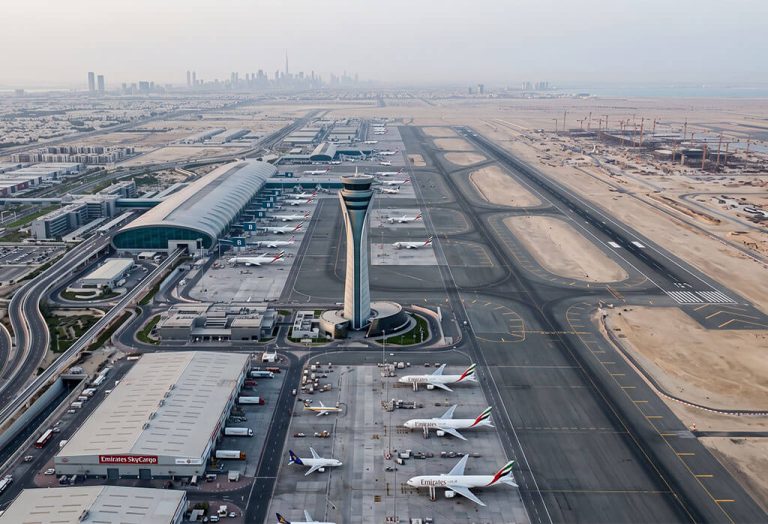
The Roads and Transport Authority (RTA) was announced as Mobility Partner; Dubai Chambers as Global Commerce Partner; Emirates National Oil Company (ENOC Group) as Energy Partner; Dubai Customs as Trade and Economic Partner; Emirates as Airline Partner; Emirates NBD as Banking Partner; Dubai Courts as Leading Partner; Dubai Municipality as Future City Partner; and Emirates Integrated Telecom Company (du) as Telecommunication Partner.
Mona Ghanem Al Marri, Vice Chairperson and Managing Director of the Dubai Media Council, President of the Dubai Press Club, and Chairperson of the Arab Media Summit Organising Committee, highlighted the importance of the partnerships, noting that they reflect a deep understanding of the media’s role in shaping societies and guiding them towards the future, as well as the significance of the Arab Media Summit as the region’s largest media gathering.
She said, “Our national institutions have helped build an exceptional success story that has earned global recognition and strengthened Dubai’s soft power worldwide. We are pleased to partner with a distinguished group of organisations that have contributed to shaping this inspiring story.”
Al Marri added, “These partnerships reflect a clear recognition of the media’s value in advancing development and a commitment to extending its positive influence across the Arab world. By advancing a competitive and forward-looking approach grounded in professionalism, integrity and strong ethical values, Arab media can deliver impactful content that helps audiences keep pace with global progress and inspires them to play an active role in shaping the future.”
Mattar Al Tayer, Director General and Chairman of the Board of Executive Directors of Dubai’s Roads and Transport Authority (RTA), affirmed that the media is a key partner in the development journey, contributing to knowledge transfer, raising public awareness, showcasing achievements, and keeping pace with economic, social and technological transformations. He noted that the Arab Media Summit serves as a vital platform for dialogue, the exchange of expertise, and exploring the potential of modern technologies and artificial intelligence to advance media content, enhance the competitiveness of Arab media, and strengthen its readiness for the future.
Al Tayer said, “RTA’s continued partnership with the Summit reflects the vision of His Highness Sheikh Mohammed bin Rashid Al Maktoum, which recognises the media as an active partner in achieving sustainable development. It also reinforces Dubai’s pioneering position as a leading hub for Arab media, bringing together media figures, decision-makers and experts to shape the future of the sector and address rapid digital and technological transformations.”
He further emphasised that the partnership highlights the vital integration between the media and transport sectors. Dubai’s sustainable and integrated transport system plays a key role in advancing the emirate’s development, strengthening its capacity to host major events, and ensuring seamless and safe mobility for participants and visitors.
Eng. Marwan Ahmed bin Ghalita, Director General of Dubai Municipality, said, “Leading cities of the future are not built on infrastructure and technology alone, but through an integrated urban ecosystem that places people, awareness and knowledge at its core. This is where the media plays a vital role in raising public awareness of the transformations reshaping our cities and the way we live.”
He added, “Today, the media is a key partner in shaping and sharing the inspiring success stories of the UAE and Dubai with the world. It contributes to reinforcing Dubai’s approach and message as a city driven by action and achievement, and as a destination that attracts leading minds, innovators and talent to shape the future. We are proud to be the Future City Partner of the Arab Media Summit, a partnership that reflects Dubai Municipality’s commitment to supporting an exceptional platform that originated in Dubai to anticipate the future of media, shape its direction across the Arab world, and bring together prominent Arab media leaders and influential voices capable of advancing an ambitious Arab narrative around cities that are more sustainable and offer a higher quality of life.”
Mohammad Ali Rashed Lootah, President and CEO of Dubai Chambers, said, “Effective economic media serves as a vital link between markets, opportunities and the business community. It plays an important role in building confidence and strengthening cities’ positions as global centres for trade and investment. Our partnership with the Arab Media Summit reflects Dubai Chambers’ commitment to supporting platforms that bring together thought leaders and prominent figures from the media and business sectors. It also contributes to highlighting Dubai’s promising opportunities, advancing the objectives of the Dubai Economic Agenda D33, and reinforcing the emirate’s position as a global business hub.”
Dr. Abdullah Busenad, Director General of Dubai Customs, said, “The Arab Media Summit serves as an important platform for highlighting the media’s role in deepening public understanding of economic transformations and showcasing the importance of trade in driving growth and creating opportunities. Our partnership with the Summit as Trade and Economic Partner reflects Dubai Customs’ commitment to enabling trade, strengthening business confidence and enhancing economic competitiveness. These efforts support the objectives of the Dubai Economic Agenda D33 and further consolidate Dubai’s position as a leading global hub for trade and investment.”
Saif Ghanem Al Suwaidi, Director General of Dubai Courts, affirmed that Dubai Courts’ participation as Leading Partner at the Arab Media Summit 2026 reflects its belief in collaboration between judicial and media institutions and the media’s role in raising public awareness and expanding access to legal knowledge.
He said, “The Arab Media Summit is a leading platform that brings together media leaders, decision-makers and experts. We are proud of our partnership with the Dubai Press Club in an event that has established itself as a platform for dialogue and shaping the future of regional media.
“Our partnership recognises the media as an effective partner in building a more informed society. Dubai Courts continues to support initiatives that combine specialised expertise and media capabilities to present legal and judicial knowledge through innovative approaches, while developing purposeful, reliable content that reflects Dubai’s aspirations and global standing.”
Hesham Abdulla Al Qassim, Vice Chairman and Managing Director of Emirates NBD Group, said, “Emirates NBD is pleased to reaffirm its support for the Arab Media Summit 2026 as Banking Partner. As a homegrown financial institution, we remain committed to empowering the media sector, recognising its critical role in shaping the future and narrative of our region. As the region’s largest media gathering, the Summit provides a key platform for media professionals from across the Arab world to connect, exchange ideas, and discuss the most pressing challenges and opportunities facing the industry. We look forward to this year’s edition and its new format, which uniquely brings together multiple specialised forums and related events under a single, unified platform.”
Hussain Sultan Lootah, Group CEO of ENOC Group, said, “Dubai’s journey towards the future is underpinned by an integrated framework built on vision, innovation, sustainability and effective cross-sector partnerships. The Arab Media Summit is an influential platform for highlighting the media’s role in addressing the major transformations shaping the world, including the future of energy and sustainability. We are pleased to serve as the Summit’s Energy Partner and contribute to a more informed Arab dialogue on the issues shaping the economy of the future.”
Fahad Al Hassawi, CEO of du, said, “The media shapes how societies see themselves and how they are perceived by the world. Technology is amplifying this role, enabling ideas to cross borders, connect cultures and reach audiences in unprecedented ways. Through our partnership with the Arab Media Summit, we look forward to supporting a platform that brings together media, technology and innovation, while fostering meaningful discussions on the future of content, artificial intelligence and digital platforms, and their role in building a more influential media sector.”
Boutros Boutros, Executive Vice President of Corporate Communications, Marketing and Brand at Emirates Airline & Group, said, “Dubai has long served as a meeting point for the world, connecting people, cultures and ideas. The media is one of the most important bridges supporting these connections. Our partnership with the Arab Media Summit reflects our continued commitment to major initiatives that reach the world from Dubai, strengthen its presence as a global city that brings together talent, ideas and creativity, and create new opportunities for communication and influence.”
Reinforcing Dubai’s Position as a Media Hub
Maryam Al Mulla, Director of the Dubai Press Club, expressed her sincere appreciation to the Summit’s partners for their valued role in this year’s edition.
She said, “Working as one team towards shared objectives is deeply embedded in Dubai’s approach and has contributed to its exceptional achievements across sectors. This collaborative spirit continues to reinforce the emirate’s position as a centre for thought leadership and a hub for shaping the future.”
Al Mulla added: “Over the past two decades, Dubai has steadily strengthened its position as a leading regional media hub, supported by the region’s largest and most dynamic professional media community.”
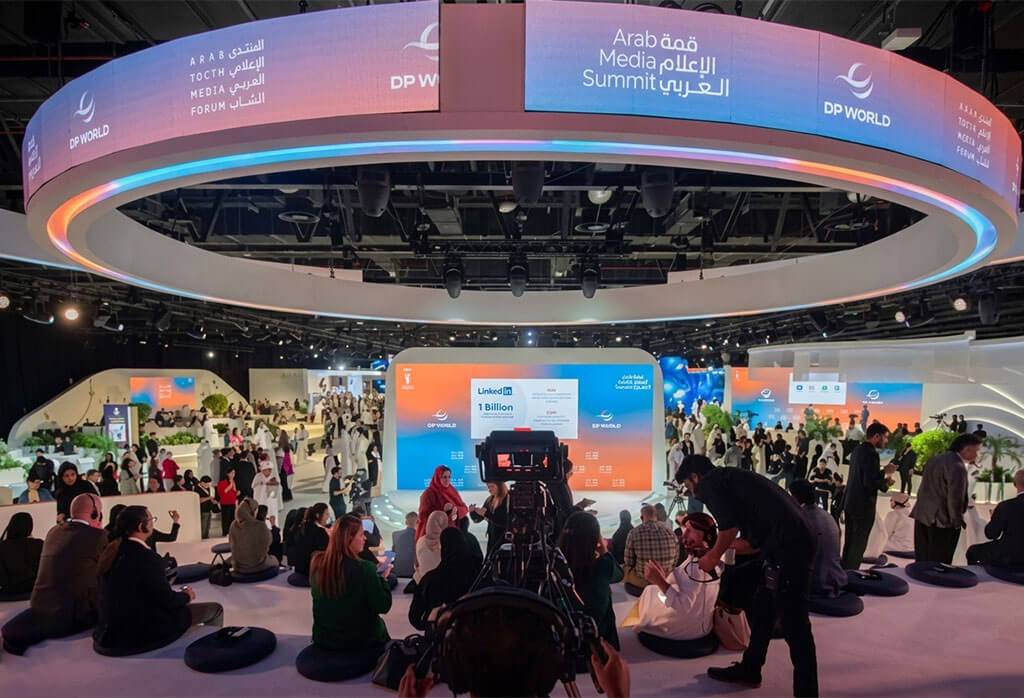
The 2026 edition of the Arab Media Summit is supported by a total of 13 leading entities and institutions. Previously announced partners include DP World as Strategic Partner; Dubai Electricity and Water Authority (DEWA) as Sustainability Strategic Partner; National Media Authority as National Partner; and the Mohamed and Obaid Almulla Group and American Hospital Dubai as Strategic Healthcare Partner. They are joined by the nine new leading national entities announced as partners for this year’s edition.
The partnerships announced for the 2026 edition reinforce the Arab Media Summit’s role as a platform for constructive dialogue, knowledge exchange and cross-sector collaboration. They also reflect Dubai’s ability to bring together leading government entities, national institutions and businesses in support of initiatives with regional and global impact.
The upcoming Arab Media Summit will be the largest edition yet. This year, the Summit will bring together a diverse range of specialised events, including the Arab Media Forum, the Government Communication Forum, the Arab Youth Media Forum, the Arab Social Media Influencers Summit, the Films Forum, the Games Forum, and the Dubai PodFest, alongside several international media forums.
The Summit will also continue to recognise excellence and emerging talent through the Arab Media Award, which marks its silver jubilee this year, the Arab Social Media Influencers Award, and the Ibda’a – Arab Youth Media Award.