icnlive

WATCH LIVE. THINK BUSINESS.

© 2026 ICN.LIVE

ICN.live

  • The FTA approved about 4,000 refund applications worth Dhs353.5 million in the first half of 2026.
  • Approved applications rose 27.5 per cent, refund value rose 24.1 per cent, against H1 2025.
  • A new proactive service creates refund applications automatically once a completion certificate is issued.
  • The 2026 eligible-expense expansion widens what UAE homebuilders can claim.

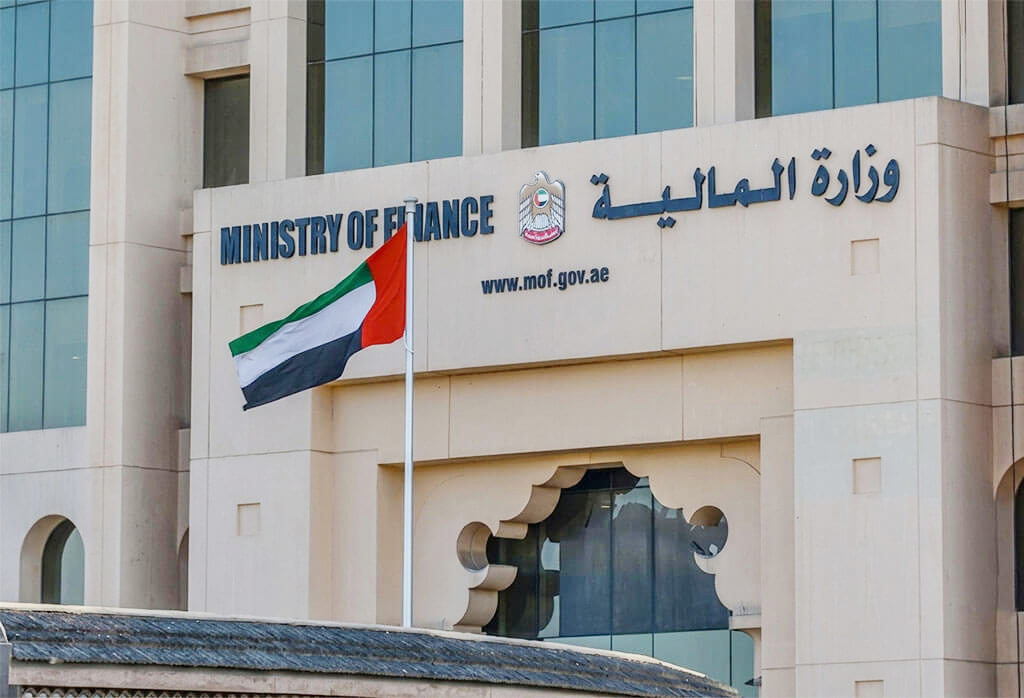
The VAT refund for UAE nationals building new homes reached Dhs353.5 million in the first half of 2026, the Federal Tax Authority confirmed. About 4,000 applications won approval in that period. Each covered VAT paid during construction of a private residence.

The prior year set a lower base. In H1 2025, the authority approved 3,100 applications worth Dhs284.8 million. Approved applications climbed 27.5 per cent. The value refunded rose 24.1 per cent.

Numbers behind the increase

The gap between the two years is measurable. About 900 more applications cleared approval. Refunds grew by roughly Dhs68.7 million year on year. The average refund per approved application sat close to Dhs88,000 in H1 2026.

Abdulaziz Mohammed Al Mulla, Director-General of the FTA, tied the result to changes in how the scheme runs. He said the authority has added measures to simplify and speed up procedures through its digital refund platform. He also pointed to awareness work across several channels, aimed at showing citizens how the service works and what has improved.

How the VAT refund for UAE nationals now works

The Federal Tax Authority has built a proactive service into the process. A refund application can be generated automatically through the Maskan app once the municipality issues the building completion certificate. Where it applies, the building permit can trigger the same step.

After the application is created, the citizen gets an SMS and an email. Both confirm that a refund application for the residence exists. The messages carry a link or a QR code that sends the citizen to the Maskan app to finish the required steps.

Less manual work for applicants

Invoice details now flow in on their own. Once registered suppliers issue invoices, the details populate the citizen’s account inside the Maskan app. The number of banking-information fields has been cut through integration with the Central Bank of the UAE.

Invoice data is also compiled into one Excel file that holds applicants’ details once typed in by hand. Artificial intelligence checks the accuracy of refund amounts and suppliers’ Tax Registration Numbers. All invoices are consolidated into a single file.

Wider eligibility under the Year of Family

The 2026 designation as the Year of Family shaped one change to the scheme. The FTA expanded the range of eligible expenses that qualify for VAT refunds tied to new residence construction. The authority said the step supports a modern housing system and helps citizens fund a stable family home.

For homebuilders, the practical route runs through two channels. Applicants can file through the EmaraTax portal or the Maskan app, depending on preference. The VAT refund for UAE nationals covers construction VAT, not furniture, appliances, or other non-structural items, based on FTA guidance published earlier in 2026. Claims generally must be lodged within 12 months of completion.

TAGS

EXPLORE MORE ON:

Cross-emirate parking payments

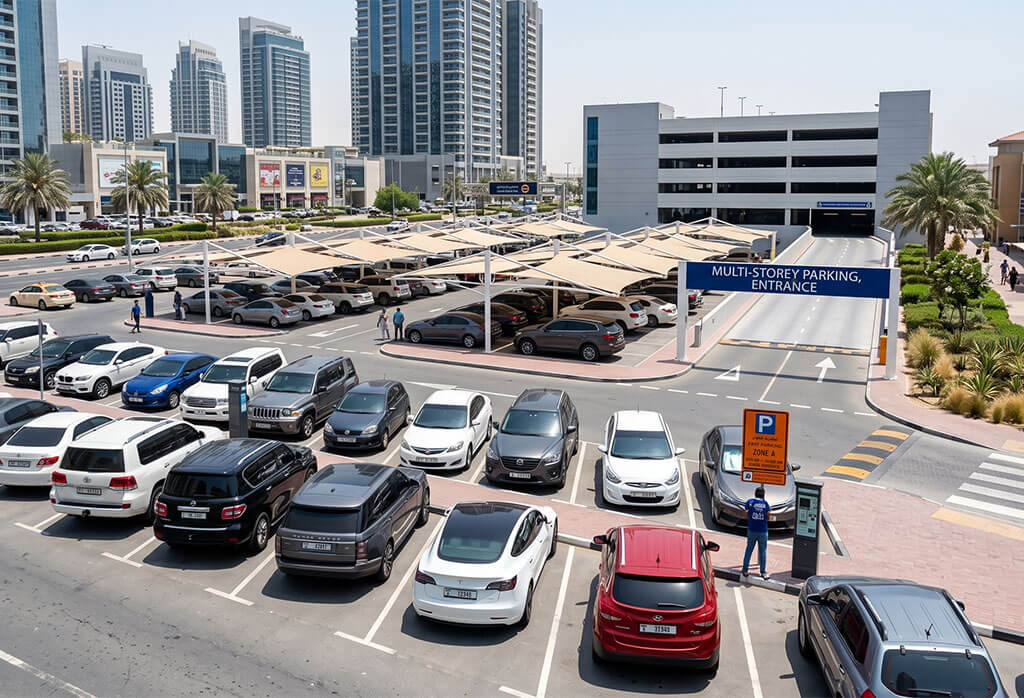
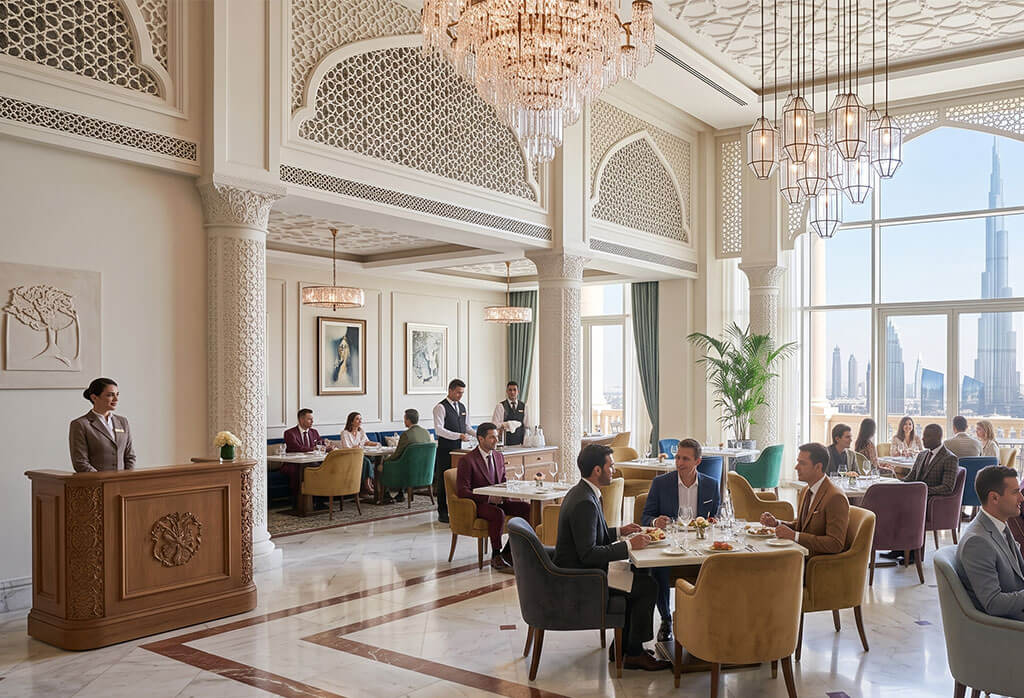
Cross-emirate parking payments could soon live inside one digital account for drivers who move between Abu Dhabi and Dubai. Q Mobility and Parkin have signed an agreement to connect their systems, and the aim is plain. You pay for a spot in either city without switching apps or opening a second wallet.

Picture the commuter who parks near a Dubai office all week, then drives to the capital for the weekend. That person now juggles two separate systems. The plan would fold both into a single flow.

Cross-emirate parking payments in one account

The Q Mobility Parkin agreement covers linked digital platforms, shared pilot projects and a single route to paying for parking. Both firms run the biggest public parking networks in their emirates. Parkin operates Dubai’s official platform across more than 200,000 spaces. Q Mobility manages Mawaqif Abu Dhabi and the Darb road toll system.

Neither company gave a start date. Work will begin through a joint roadmap and pilot projects. So nothing shifts for you today. Keep using your current app. Residents and visitors would eventually pay through one connected set of digital channels once the platforms talk to each other. The operators say they will test how their existing systems can support shared access while keeping payments secure.

What the AI pilots will do

Smart parking UAE plans here lean hard on data. The two firms will build pilots around data analytics, artificial intelligence and better parking management tools. These pilots will look at how full car parks get, how demand shifts across the day, and how well the service runs.

Here is the practical payoff. Sharper demand planning means a system that can steer you to an open bay faster, using patterns pulled from real use. Both operators also want to squeeze more capacity from car parks they already have, rather than pour concrete for new ones. Parkin already runs a wide digital payment base across Dubai. Through the Darb app, Q Mobility handles tolling and Mawaqif parking together in Abu Dhabi. The pilots will check how each operator’s technology performs across connected systems before any broad rollout.

Data sharing under UAE rules

Cross-emirate parking payments depend on the two operators trading technical know-how and operational data. UAE regulations and data protection requirements will govern every exchange. The companies will also set governance rules for connected services and hunt for ways to use current assets more effectively.

Data integration will support demand forecasting and occupancy measurement across both service areas. Each side will decide which datasets and technical links belong to individual pilots. So far, the operators have not published the design that would join their platforms.

What the CEOs said

Mohamed Husain Karmastaji, CEO of Q Mobility, called the collaboration a route toward more connected mobility across Abu Dhabi and Dubai. He named customer convenience and closer ties between the two operators as central goals. Mohamed Abdulla Al Ali, CEO of Parkin, described the agreement as a significant development for the UAE parking sector. He pointed to the scale created by bringing the two largest public parking operators into one technology programme.

For now, cross-emirate parking payments remain a plan on paper. Parkin Dubai and Q Mobility will move through technology assessments, joint pilots and platform integration before anything reaches your phone. Motorists keep using existing arrangements while the work runs. No date has been announced for unified digital access, so watch for pilot news rather than a switch flipping overnight.

Shamsa Entertainment City

Shamsa Entertainment City has opened its doors in Aljada, and it gives families a fresh reason to head out this summer. The open-air venue runs until 5 September under the theme “Shamsa Festival, Where Joy Shines”. It sits inside Sharjah Summer Promotions 2026, the emirate’s yearly push to bring shoppers and visitors out during the warmer months.

The Sharjah Chamber of Commerce and Industry and the Sharjah Commerce and Tourism Development Authority organise the venue together. Their pitch is simple. Give families interactive activities and outdoor entertainment, and lift the local economy at the same time.

What Shamsa Entertainment City offers

Picture a summer hub built for kids and parents. Interactive games and open-air fun fill the space in Aljada Sharjah, one of the emirate’s newer community districts. The layout leans on hands-on play rather than passive screens, which keeps younger visitors moving. That setting matters. Aljada already pulls crowds for dining and events, so the venue lands where people already are.

You do not have to travel far to reach it. That is the whole idea. Organisers want a spot that feels close, easy, and worth the trip on a hot afternoon.

Inside Sharjah Summer Promotions 2026

Shamsa Entertainment City is one piece of a much larger campaign. Sharjah Summer Promotions 2026 reaches across Sharjah City, the Central Region, and the East Coast towns of Khorfakkan, Kalba, and Dibba Al Hisn. Shoppers can find discounts of up to 75 percent across thousands of retail outlets and shopping malls.

The season offers more than shopping. Families also get over 60 Sharjah tourism packages and experiences, plus more than 700 prizes for visitors. Over 55 public and private partners back the programme, which shows how much weight the emirate puts behind it.

Khalid Jasim Al Midfa, Chairman of the Sharjah Commerce and Tourism Development Authority, said the campaign aimed to strengthen Sharjah’s position as a tourism and family destination. He described a summer atmosphere that brings together entertainment, creativity, and community engagement for citizens, residents, and tourists.

Why the venue matters now

Mohammad Ahmed Amin Al Awadi, Director-General of SCCI, said the launch reflected the chamber’s work to support economic activity and community well-being. Read between the lines, and the plan is clear. Entertainment brings families in. Families spend. Retail and tourism both gain.

Sharjah has run this play before. The 2025 edition drew strong turnout and gave local businesses a measurable lift. This year’s version stretches the summer season longer and adds more partners, so the emirate is building on something that already works. The model rewards repeat visits, and that is where the real value sits for organisers.

For families weighing where to spend a summer day, the appeal is practical. You get activities for the kids, deals for the household, and a short drive rather than a long one. That mix turns a one-time visit into a habit, and it positions Sharjah as a family destination worth returning to.

Shamsa Entertainment City runs through early September, which leaves plenty of weekends to plan around. If you live in or near the emirate, the calendar is on your side. The venue and the wider campaign both wind down before the school term picks up, so the window is open now.

UAE music licence for businesse

A UAE music licence for businesses will soon shape the cost of playing a song in public. From December 2026, restaurants, cafes, hotels, malls, gyms and airlines that play music must hold one. The Ministry of Economy and Tourism set out the rules in a new guide on music rights. The guide covers a wide list of venues. Radio stations, TV channels, concerts and similar events fall under it too. Each licence lasts one year and can be renewed. Fee brackets depend on how the music is used and how big the business is.

Who collects the UAE music licensing fees?

Two Ministry-approved bodies will handle the UAE music licence for businesses. The Emirates Music Rights Association and Music Nation UAE act for the rights holders. That pool includes composers, singers, record producers and publishers. They will issue the permits and take in the money.

The Ministry did not publish exact fee amounts. What it did confirm is the shape of the fees. Live music and DJ sets tend to cost more. Smaller venues with background music should pay less. Not every place has to pay. Schools and academic bodies are exempt. Government offices, national events and private, non-commercial parties also sit outside the rules. The Ministry can add more exempt groups later.

Why the UAE music licence for businesses matters now

Abdullah bin Touq Al Marri, Minister of Economy and Tourism, tied the move to the wider economy. He said the UAE backs its music and creative sectors as it works to widen its income. The minister called the guide one step toward a full system for copyright and related rights. It fits the goals of UAE Vision 2031.

Here is the practical read. The commercial use of music UAE venues rely on is now a paid, tracked activity. Pressing play on a home streaming app and hoping no one asks carries real risk. If you run a venue, this is your cue to check your setup. The framework rests on the UAE copyright law. Back in 2021, the country reshaped that law with fresh rules on copyright and neighbouring rights. Those rules created public performance rights across the country. Now the guide gives them a way to be enforced and paid.

The guide also sets up a Cultural Support Fund in the Field of Music. It will give money, technical help and artistic support for writing, production and live shows. Support targets new talent, including children, youth and people of determination. The fund will also carry Emirati music abroad. Ten per cent of all fees collected will feed this fund. A joint team from the Ministry of Economy and Tourism and the Ministry of Culture will run it. The collecting bodies must keep a separate bank account for the fund’s share.

Oversight and disputes

The Ministry will watch the licensed bodies for compliance with the UAE copyright law. Checks include field visits and reviews of financial and technical records. Complaints from rights holders will be handled too, with calm settlements sought or action taken where needed.

One line stands out. The Ministry keeps the right to change licence terms when the rules or public interest call for it, and licensees must comply at once. For venues, the UAE music licence for businesses is now a fixed cost of running a room with a soundtrack. My read: firms that move early will feel the least pain.

Share this post

on your favourite social platforms

or copy the link