

icnlive

WATCH LIVE. THINK BUSINESS.

© 2026 ICN.LIVE

Sheikh Khaled chairs Abu Dhabi Council, and its latest meeting placed an agentic AI platform inside government decision-making for the first time.

Trending Economy

Dubai's total diamond trade

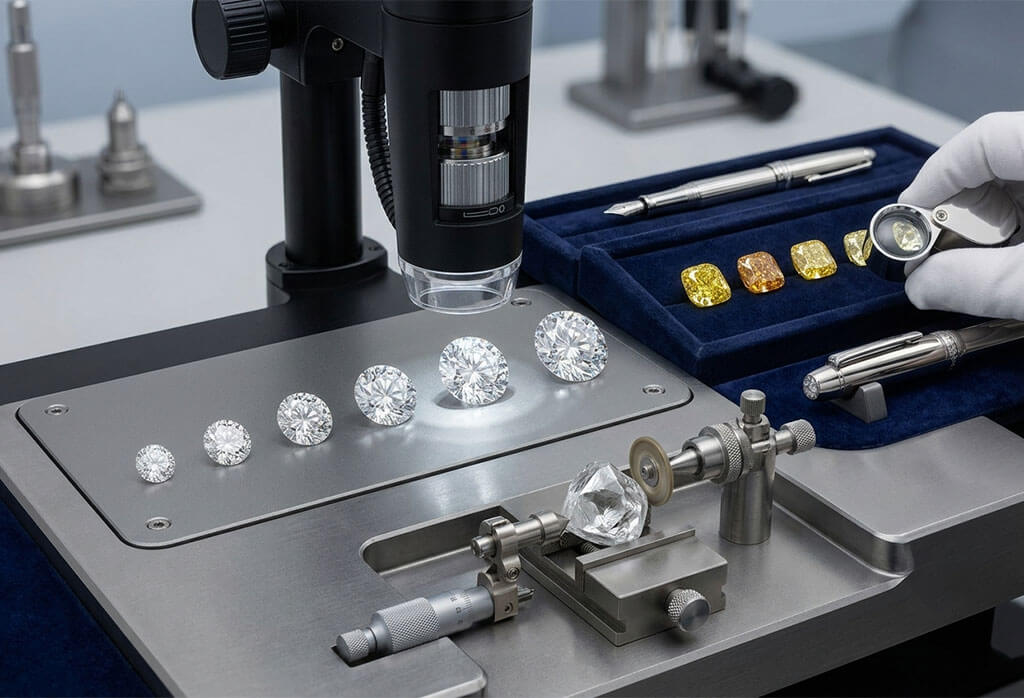
Dubai’s total diamond trade reached a new all-time high during 2025 across every major category. Official figures from Dubai Customs place the yearly diamond total at 41.7 billion dollars overall. This result beats the earlier record of 40.9 billion dollars set back in 2011. Traders also moved 359.5 million carats, a volume rising 42.5 percent from last year. DMCC has announced today that, for the first time, the Emirate of Dubai hit record value and record volume in one year. Dubai diamond trade 2025 figures show steady demand across natural stones and coloured gemstones. Total trade value climbed 16.2 percent from the 35.8 billion dollars recorded during 2024.

The market added 5.8 billion dollars in fresh trade across a single twelve-month span. Dubai now works as a key gateway linking mines, cutting hubs, and buyer markets worldwide. Producers ship rough stones here, while cutters and traders prepare them for retail shelves. Retail demand in India, the United States, and Europe keeps large orders flowing steadily. Strong regulation and secure vaults give global buyers real confidence in each recorded deal. Access to finance also helps smaller firms trade larger stone volumes across each season. Grading services and clear customs steps move each shipment through the emirate at speed.

Why Dubai’s total diamond trade reached a new all-time high

Records confirm Dubai’s total diamond trade reached a new all-time high through natural stone strength. Natural diamond trade value hit 39.9 billion dollars, near 95.8 percent of the total. Dubai traded 205.2 million carats of natural rough stones, the second highest volume on record. Rough volume rose by nearly 34 percent, showing strong appetite among global cutting and polishing centres. Polished natural trade reached 18.7 billion dollars, a rise of nearly 25 percent from 2024. Over five years, Dubai’s total diamond trade reached a new all-time high with 139 percent value growth.

Average value per carat rose about eight to nine times across the same five-year window. Ten-year data shows Dubai’s wider diamond trade rose 63 percent by value overall. Volume across the same decade climbed 44 percent, a sign of deeper market roots. Investors read these gains as proof of steady policy and reliable long-term trade rules. Ahmed Bin Sulayem, DMCC’s Chairman and Chief Executive Officer, tied the results to long planning.

He said: “Dubai’s latest diamond trade figures demonstrate the success of a long-term strategy to build the world’s most connected, transparent, and efficient precious stones ecosystem. Since the Covid-19 pandemic in 2020, we have seen trade through Dubai double in physical volume and grow by almost 140% in value. For natural polished diamonds alone, value has grown by 246%. We are the partner of choice for producers, manufacturers, traders, and retailers across the global industry. Through world-class infrastructure, regulatory certainty, access to finance, and one of the world’s most sophisticated ecosystems for precious stones, we will continue to provide the platform the industry needs to grow.”

Leadership and demand behind the record

DMCC’s diamond trade leaders point to strong demand from producers, manufacturers, and global retailers. Buyers worldwide noticed Dubai’s total diamond trade reached a new all-time high last year. From my view, this run signals real staying power for the emirate’s precious stones sector.

Reports on coloured gemstones Dubai handled last year show a record 1.1 billion dollars. This category grew 48 percent, with imports up 68.8 percent and re-exports up 33.5 percent. Synthetic and industrial diamonds now make up nearly 39 percent of total carat volume. DMCC runs the Dubai Diamond Exchange, the region’s largest tender site for precious stones. The Emirate also hosts many tenders and auctions for both rough and polished stones. Each tender draws bidders from Africa, Asia, and Europe onto a single trading floor. You can watch these figures to judge where global diamond demand heads through 2026. The exchange keeps Dubai near the front of the entire world’s diamond trading network.
$49 billion AI fund

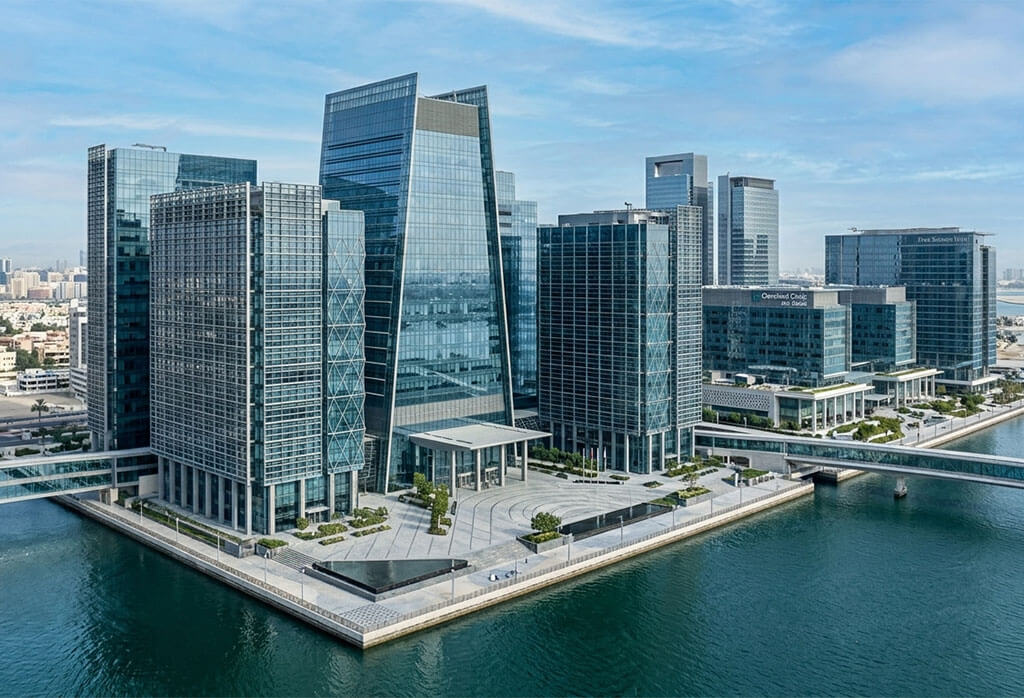
$49 billion AI fund by Abu Dhabi’s MGX closed this week above its original target. The firm set out to raise $45 billion and finished the round with $49 billion. Investors from the Gulf, North America, Asia, and Europe supplied the new pool of capital. MGX said the fund gives backers exposure across the whole artificial intelligence technology stack. Since launch, the vehicle has taken positions in 14 separate companies around the world. You should read the size of this raise as a signal about capital concentration. Abu Dhabi AI investment now sits near the centre of the global technology finance system.

MGX Fund I holds stakes in OpenAI, Anthropic, xAI, Binance, SpaceX and TikTok USDS. Mubadala Investment Company and technology group G42 established the firm back in March 2024. Sheikh Tahnoon bin Zayed, Deputy Ruler of Abu Dhabi, chairs the MGX board of directors. He works at the same time as national security adviser for the United Arab Emirates. At launch, the company named AI infrastructure, semiconductors and core AI applications as targets. Fund I follows the same three-part plan with a much larger pool of money.

Inside the biggest dedicated AI vehicle on record

Bloomberg reported the raise puts the two-year-old firm among the sector’s most consequential investors. MGX plans to deploy up to $10 billion each year for the coming years. Executives have set a goal of more than $100 billion in assets under management. A sovereign wealth fund normally deploys state savings and avoids outside limited partners entirely. MGX broke with the pattern and raised institutional money from investors on four continents. Reports put the minimum ticket size for entry at around $500 million per investor.

From my standpoint, the structure matters more than the headline number attached to it. Sheikh Tahnoon described the company’s purpose when Abu Dhabi first announced the venture in 2024. He said the emirate was “establishing a UAE national champion focused on AI and advanced technologies”. The $49 billion AI fund by Abu Dhabi’s MGX now gives weight to the claim. United States senators have already asked MGX to preserve documents tied to its Binance stake.

What the $49 billion AI fund by Abu Dhabi’s MGX buys next

Fund I spreads its capital across three layers of the artificial intelligence supply chain. AI infrastructure occupies the middle layer, covering data centres, power access and compute platforms. Power access, land and construction timelines shape every serious wager on AI infrastructure today. In October 2025, MGX helped acquire Aligned Data Centres in a $40 billion deal. BlackRock’s Global Infrastructure Partners joined the consortium behind one of the largest infrastructure deals. MGX, Nvidia, Bpifrance and Mistral AI back a French campus targeting three gigawatts of compute. The $49 billion AI fund by Abu Dhabi’s MGX buys time as much as assets.

MGX co-led Anthropic’s $30 billion round in February and joined its $65 billion Series H. Dealroom counts a record $416.6 billion flowing into AI companies during this calendar year. Anthropic and OpenAI absorbed most of the capital, and MGX holds stakes in both. S&P puts Abu Dhabi’s net asset position near 358 per cent of national output. The $49 billion AI fund by Abu Dhabi’s MGX will face its test through deployment. Watch the pace of spending, the choice of chips, and the location of new compute.

OPEC+ oil output increase

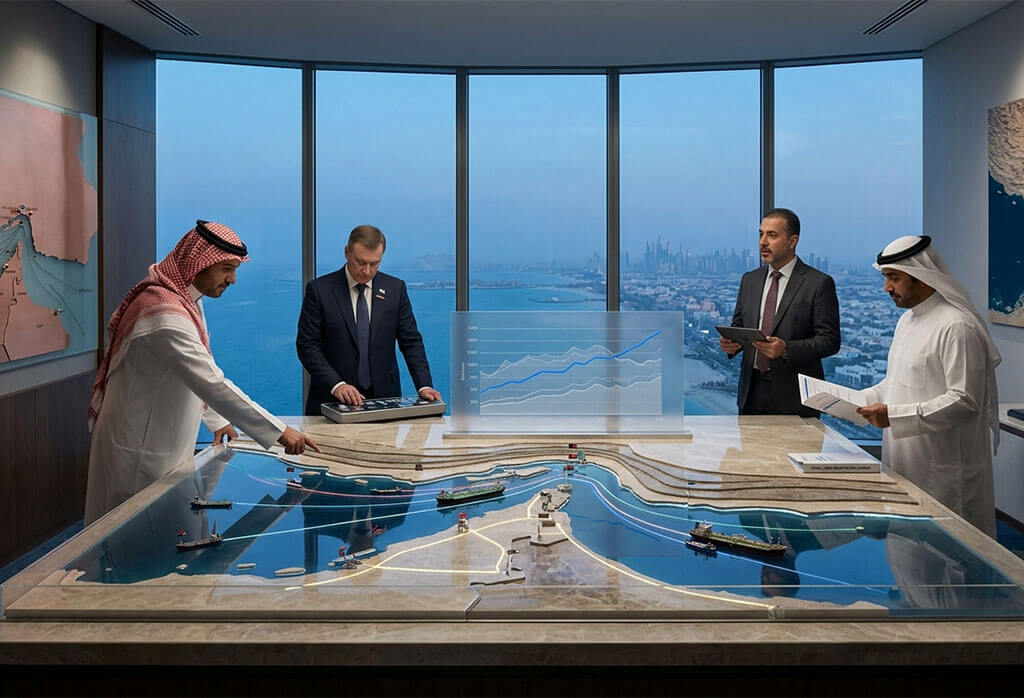
OPEC+ oil output increase decisions advanced on Sunday as the group lifted August production targets again. Seven core producers agreed to add 188,000 barrels each day to global markets from August. This latest move matches similar increases the group approved earlier for both June and July. Falling oil prices today shaped the decision as the Strait of Hormuz slowly reopened. Tanker traffic through the busy waterway picked up, easing many months of tight supply. Brent crude oil prices traded near 72 dollars on Friday, down from summer peaks.

Those peaks reached above 120 dollars during the war between the United States and Iran. Prices now sit close to levels seen before the February conflict began this year. Lower Chinese imports and stronger non-Gulf exports also pushed the wider market back down. A record strategic stock release from the International Energy Agency added even more barrels. OPEC+ production quotas have climbed by nearly 800,000 barrels per day since early April. Much of this planned rise stayed on paper while the shipping route stayed closed. Saudi Arabia’s oil production, along with Kuwaiti and Iraqi supply, lost vital export access. Output across the whole group fell sharply during the height of the regional fighting. Group supply dropped to 33.13 million barrels per day in May, official data shows.

Prices Cool As Tankers Return To The Strait

Recovery began in June after Washington helped the UAE and others ship more oil. Flows still sit below pre-war levels, though the daily trend keeps moving steadily higher. Traders now watch how many tankers cross the Strait of Hormuz oil export route. “The group of seven kept unwinding their production cuts as widely expected,” said UBS analyst Giovanni Staunovo. His firm expects the near-term focus to stay on demand and Chinese import recovery. A memorandum between Washington and Tehran also calmed market fears about future supply flows.

Iraq now presses the whole group for a higher quota within these monthly talks. The United Arab Emirates left the alliance in late April to free its capacity. Emirates leaders wanted their output to match capacity without limits set by the group. OPEC+ oil output increase plans now run through a much messier political picture today. Seven producers- Saudi Arabia, Russia, Iraq, Kuwait, Algeria, Kazakhstan, and Oman- still lead policy. These seven nations roll back a 1.65 million barrel cut first agreed in 2023. Reuters math shows about 379,000 barrels of the original cut still remain fully unwound. One more August-sized hike in September would then clear the remaining 2023 supply cut. Group members meet again on August 2 to weigh their next big production move.

OPEC+ Oil Output Increase Faces A Bigger Market Test

Market watchers now link this OPEC+ oil output increase to confidence in the wider economy. From my standpoint, this steady drip of new supply keeps most traders cautious for now. Oil prices today still swing on every fresh headline about the fragile peace process. Brent crude oil prices give you a fast read on how markets judge risk. Watch the tanker counts, the quota talks, and the pace of Saudi Arabia’s oil production. This OPEC+ oil output increase signals confidence, yet real barrels decide the final story.