



icnlive

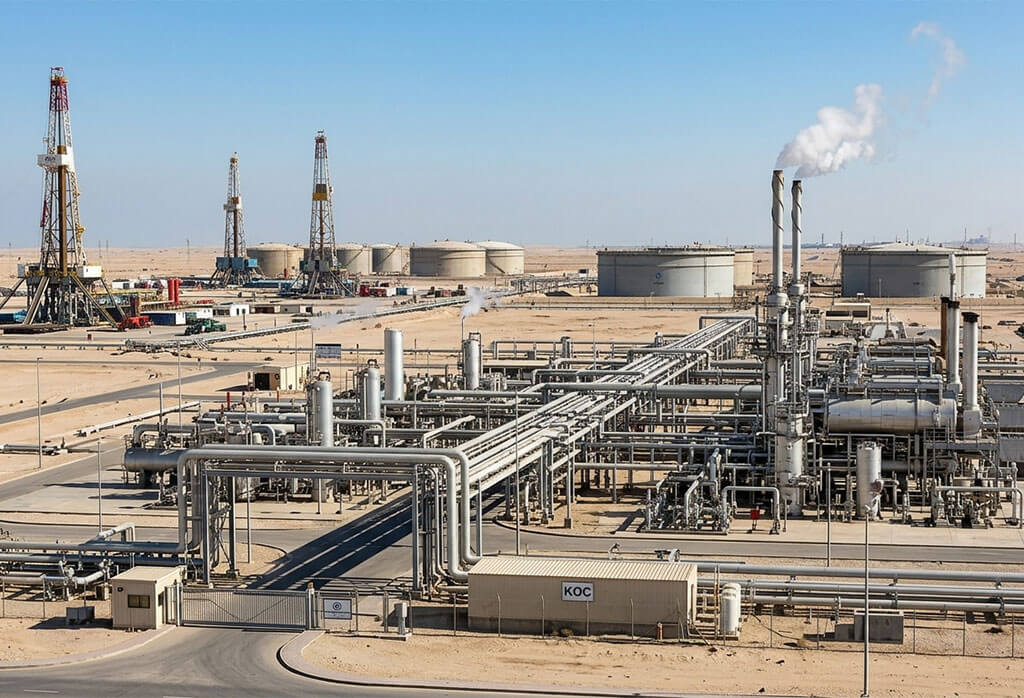
The ADNOC Umm Shaif Gas Cap has moved from a plan to a funded project, with a $6.2 billion final investment decision

Trending Economy

UAE-Bahrain currency swap agreement

UAE-Bahrain currency swap agreement links two Gulf banking systems through a five-year liquidity framework.

The announced facility carries a nominal value of AED 20 billion, or BHD 2 billion. Both sides presented the signing as another step toward stronger central bank cooperation efforts. Officials also tied the arrangement to wider UAE Bahrain trade ties across finance and investment. The structure supports local currency settlement between the UAE dirham and Bahraini dinar. Such agreements matter most when banks need smoother access to partner currencies under pressure. Regional policymakers often use swap lines to support payment flows during volatile market conditions.

For readers across Gulf markets, the message centers on confidence, readiness, and practical coordination. From my standpoint, the agreement shows a measured effort toward durable Gulf financial stability. The UAE governor said the signing reflects shared plans for stronger monetary cooperation. The Bahrain governor described the move as a major point in bilateral financial relations.

UAE-Bahrain currency swap agreement and regional banking confidence

A swap agreement does not place fresh cash into daily trade on announcement day. Instead, the framework gives central banks an agreed route for currency exchange when needed. Such planning helps banks, importers, and investors read regional policy direction with greater clarity. The focus on local currency settlement also supports policy goals beyond short-term funding needs. Greater use of domestic currencies reduces reliance on outside funding channels in selected transactions.

That change often lowers friction for selected payments between the two neighboring economies. Business groups often watch these steps closely because payment certainty shapes commercial decisions. A reliable backstop also supports lending confidence when markets face sudden funding pressure. For Bahrain, the line strengthens links with a major regional partner and investor base. For the UAE, the line supports a broader network of practical financial relationships.

Both outcomes fit long-running goals around regional financial integration within Gulf markets. The agreement also signals policy continuity, which traders and lenders usually welcome.

Why the agreement matters for trade and financial planning

Trade links often grow faster when payment systems feel predictable, and policy signals stay stable. Banks serving importers and exporters benefit from stronger visibility on potential liquidity arrangements. The line will also help both central banks coordinate responses during periods of market stress. Such coordination supports Gulf financial stability by reducing uncertainty around short term currency access. Investors often value clear official cooperation because predictability supports pricing across debt markets.

The agreement also fits broader efforts toward central bank cooperation across the Gulf region. Stronger coordination does not remove risk, though stronger coordination improves institutional readiness. Regional businesses will watch whether local currency settlement expands across real commercial activity. Future progress depends on banking demand, trade volumes, and continued policy alignment. Even so, the present move gives both countries a stronger platform for UAE Bahrain trade ties. The result is a practical agreement with clear symbolic value and possible economic upside.

UAE Japan economic partnership

The UAE-Japan economic partnership is entering a stronger phase after both sides backed a new trade framework.

The recent call between President Sheikh Mohamed bin Zayed Al Nahyan and Prime Minister Sanae Takaichi showed support for deeper commercial ties. Both governments tied their talks to the Comprehensive Strategic Partnership launched in 2022, which guides broader cooperation. Officials expect the new agreement to support faster trade flows, stronger investment links, and simpler market access. The planned deal matters because Japan has not signed a similar pact before with an Arab country.

UAE is another route to widen its trade network across Asia and nearby regions. For Japan, the deal strengthens access to a trusted partner with strong logistics reach and investment depth. From my standpoint, the agreement shows both governments want practical growth, not symbolic diplomacy alone.

Why the UAE-Japan economic partnership matters now

Trade data gives this story real weight for companies watching both markets across major sectors. Official figures show non-oil trade reached 20.3 billion dollars during 2025, up 16.7 percent year on year. Those numbers show that strong demand already exists before the agreement enters its formal implementation stage. Business groups in both countries now have a clearer path for planning future investments together.

The biggest gains look likely in advanced technology, logistics, cybersecurity, healthcare, education, and financial services. These sectors match national priorities in both countries and support long-term economic diversification goals. Japanese firms bring industrial depth, while the UAE offers capital, connectivity, and access to regional markets. This pairing helps smaller companies expand, especially in digital services and specialist manufacturing areas. Research and development stands out as a practical area for shared projects and commercial testing.

Smart mobility and energy security carry equal value because both economies are investing in future systems. Digital transformation is another important area, since public services and businesses want greater speed and efficiency. If implementation moves smoothly, private sector confidence should improve across trade, hiring, and project activity.

Sector gains under the new agreement

The CEPA fits the UAE strategy of building a knowledge-based economy with stronger innovation output. For readers, this matters because trade policy often shapes jobs, prices, services, and business opportunities. A better trade framework often reduces friction for exporters, importers, investors, and service providers alike.

In this case, the UAE-Japan economic partnership supports more reliable supply chains across important sectors. Healthcare cooperation improves medical technology exchange and opens space for joint training programmes. Education links bring research partnerships, student exchanges, and specialised learning programmes with commercial value. Cybersecurity work deserves attention because both countries rely on secure digital systems for growth. Energy security remains central as governments seek stable supply, resilience, and smarter infrastructure planning.

The agreement supports innovation through joint work in mobility, finance, and industrial problem-solving. UAE Japan trade should benefit further if companies use the agreement quickly after formal procedures finish. Success still depends on execution, business awareness, and steady follow-through from public institutions. Yet the direction is clear, both sides want broader cooperation with measurable economic returns. For now, the UAE-Japan economic partnership stands as a major step in bilateral economic policy.

Weakest level in a month for the U.S. dollar

Weakest level in a month for the U.S. dollar followed a fast change in market mood. Investors had prepared for deeper conflict, higher oil prices, and wider pressure across global trade. Once ceasefire headlines appeared, many funds cut defensive positions and moved back toward risk assets. The dollar had gained support earlier because traders saw lower damage for America than for Europe.

Japan and several European economies face heavier energy pressure when oil prices rise quickly. After the deal, oil dropped, and traders no longer chased safety with equal urgency. The dollar index then slipped as demand for defensive currency exposure faded across major desks. At the same time, the euro exchange rate pushed higher against the greenback during active trading. Sterling gains added another signal showing broader confidence had returned after days of conflict concern. Charu Chanana at Saxo Bank described the move as a classic relief reaction.

Her view matched price action across bonds, equities, and foreign exchange during the session. My analysis indicates traders now care more about policy timing than war headlines alone.

Weakest level in a month for the U.S. dollar reflects shifting trader focus

Attention now sits on central banks, since lower oil eases inflation pressure for major economies. Federal Reserve rate cuts returned to the market debate after crude prices fell from wartime peaks. Lower energy costs often support consumer spending and reduce pressure on company margins. Such changes matter because rate expectations often shape currency prices more than single headlines.

When traders expect an easier policy, a currency often loses part of its earlier yield support. For this reason, the latest dollar move reached beyond ceasefire relief alone. Markets also reviewed fresh odds for Federal Reserve rate cuts before the year’s end. Those bets rose after investors decided the oil shock looked smaller than feared. Across Europe, traders also trimmed expectations for stronger tightening from the European Central Bank. Such repricing helped the euro exchange rate extend gains through the session. Sterling gains followed similar logic, with a stronger appetite for risk and softer dollar demand.

A calmer energy picture also reduced concern around the Strait of Hormuz route. That route handles a huge share of seaborne oil, so disruption fears move markets fast.

Why did lower oil changed currency direction so quickly

Oil often sits at the center of currency pricing during geopolitical stress and military threats. When crude jumps, import-heavy economies face wider trade pressure and slower growth prospects. During earlier war fears, traders favored the dollar as a relative shelter from harm. America sells energy abroad, which often cushions external shocks better than major importers. Once the ceasefire terms lowered the immediate danger, traders reversed part of those emergency positions.

Stocks rebounded, bond yields adjusted, and safe-haven demand cooled across trading desks. The weakest level in a month for the U.S. dollar, therefore, reflected several linked shifts. First, oil retreated sharply and reduced inflation fears across advanced economies. Second, investors accepted lower odds of a drawn-out blockade near key shipping lanes. Third, central bank pricing moved again, especially around Federal Reserve rate cuts. Fourth, the euro exchange rate and sterling gains confirmed broader selling pressure on the greenback.

For readers, one lesson stands out clearly: currency moves often mirror risk sentiment first. Another lesson also matters, policy expectations regain control once immediate panic starts fading. The weakest level in a month for the U.S. dollar shows relief can rewrite market trends quickly. Traders now watch oil, ceasefire durability, and central bank signals for the next direction.