

icnlive

WATCH LIVE. THINK BUSINESS.

© 2026 ICN.LIVE

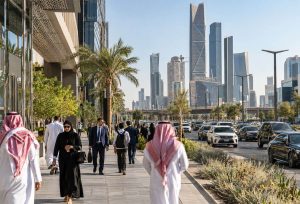
Sheikh Khaled chairs Abu Dhabi Council, and its latest meeting placed an agentic AI platform inside government decision-making for the first time.

Trending Economy

S&P 500 and Nasdaq Record Highs

S&P 500 and Nasdaq record highs returned on Wednesday as Wall Street pushed past worries about rising oil prices. The move reverses last month’s pattern, when higher crude prices pulled stocks down sharply. Since March 30, the S&P 500 has climbed more than 12% from its recent low. The Nasdaq jumped over 18% during the same period, showing a powerful stock market rally.

The S&P now sits nearly 4% above its level when the war began. Nasdaq gained close to 9% across the same window, lifted by renewed buying interest. Investors look forward, betting that the oil shock will fade before hurting economic growth. Optimism around corporate earnings season keeps pushing traders deeper into risk assets this week.

Tech stocks’ rebound fuels the fresh surge

Tech stocks slumped earlier this year over concerns about high valuations and AI software risks. The sector now leads the S&P 500, driving much of the current market strength. Analysts at Strategas estimate tech will deliver 60% of this year’s earnings growth. AI stocks remain central to that outlook, even with questions around supply chains and inflation.

“The combination of improving Iran headlines, investor exhaustion over the volatility in March, and a strong start to earnings season has helped to propel stocks to record highs,” Rick Gardner, chief investment officer at RGA Investments, said in a note. From my standpoint, the tech stocks’ rebound reflects patient buyers returning to discounted names.

ANOTHER MUST-READ ON ICN.LIVE: John Ternus Is the New Apple CEO as Tim Cook Shifts to Chairman

Earnings strength lifts the Wall Street outlook

Nearly one-fifth of S&P 500 companies have reported quarterly results so far. Among those firms, 86% beat earnings per share expectations, according to FactSet data. Strong profits support the broader Wall Street outlook as traders weigh geopolitical and energy risks. The current corporate earnings season shows resilience even with crude prices staying elevated.

Venu Krishna, head of US equity strategy at Barclays, pointed to strong AI and defense spending. He raised his year-end S&P 500 target on March 24 from 7,400 to 7,650 points. “Oil moving around at these levels at this point is not derailing that momentum,” Krishna said. His new target implies a 7% gain from Wednesday’s closing level.

S&P 500 and Nasdaq record highs raise caution flags

Louis Navellier, founder and CIO at Navellier & Associates, pointed to stable consumer and labor data. “Strong and rising earnings estimates, along with firm retail spending and stable labor markets, trump higher energy prices,” Navellier said. He added that momentum stays positive while fear of missing out grows among buyers.

Some investors warn the rapid climb to S&P 500 and Nasdaq record highs looks stretched. You should watch whether tech leadership holds as the war with Iran continues longer. The current stock market rally depends on steady earnings and cooler oil markets ahead. AI stocks will likely decide the next leg, given their weight in major indexes today.

World's First AI-Native Financial Centre

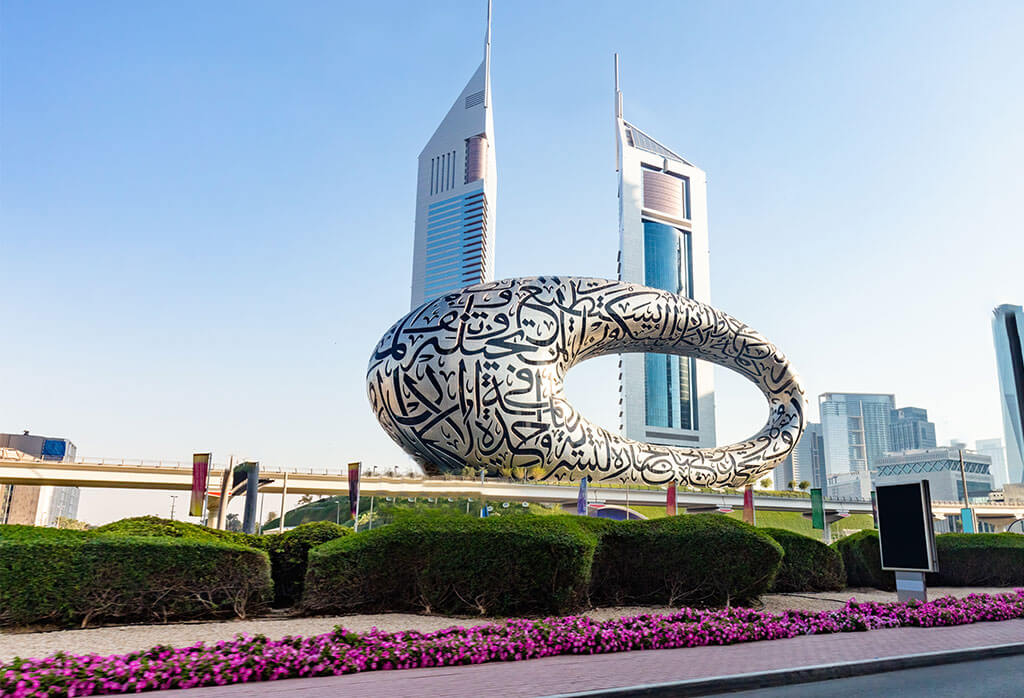
World’s first AI-Native financial centre has officially launched at the Dubai International Financial Centre today. The announcement places Dubai ahead of every rival hub in global finance innovation. DIFC plans to embed AI across legal frameworks, business systems, talent pipelines, and physical infrastructure. You now see a bold shift from pilot projects toward full system integration across the district. The DIFC Authority’s artificial intelligence roadmap will reshape how finance firms work across Dubai each day.

As I see it, this move signals a decisive pivot for AI in finance. Dubai professionals must watch closely. The Centre’s native AI programme will generate US$3.5 billion in economic benefits over the coming years. It will also create around 25,000 new jobs across financial services and supporting industries citywide. DIFC already hosts more than 1,677 AI, FinTech and innovation firms within its thriving ecosystem today.

Leadership speaks on a defining shift

Essa Kazim, Governor of DIFC, offered a direct view on the scale of the change ahead. “DIFC’s evolution into the world’s first AI-Native financial centre marks a defining step,” he said. He added that the move reinforces Dubai’s role in setting global standards across innovation, trust, and competitiveness areas. Arif Amiri, Chief Executive Officer of DIFC Authority, said the plan goes deeper than surface experiments. “This is not about experimenting with AI at the edges,” Amiri said about the new direction. He said the Centre will embed AI across legal frameworks, regulatory systems, talent pipelines, and infrastructure.

The DIFC AI-Native financial centre vision builds on a five-year AI strategy launched back in 2023. Data governance rules now sit inside Regulation 10 under the DIFC Data Protection Law framework. The Dubai International Financial Centre also uses AI to support client compliance and relationship management workflows.

Infrastructure, jobs, and a new operating core

By 2030, a large share of the Centre will run on intelligent buildings and sensor networks. Autonomous mobility, service robotics, digital twins, and smart utilities will form a managed city-within-a-city district. Thousands of sensors will track energy use, movement, and building performance across the Centre each day. Select maintenance and security work will shift to robots, cutting energy waste across the district over time.

The Dubai AI strategy 2026 aligns with the UAE’s national ambitions in advanced technology and regulation. DIFC will translate research into rules, innovation into products, and policy into real infrastructure at speed. The Centre plans to export AI governance software and trained talent directly to the Global South region.

Why this matters for you and global finance

For you as a reader or investor, this shift changes how Dubai competes with other top financial hubs. Regulators across London, Singapore, and New York now face a new benchmark set by DIFC leadership. The world’s first AI-Native financial centre aims to top global rankings in startup density and unicorn creation. DIFC also plans to host the Dubai AI Festival on 26 and 27 October 2026 at DWTC. The event will bring together more than 20,000 participants from over 100 countries across the globe.

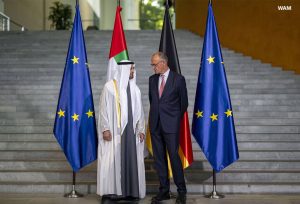
IMF boss on global economic crises

IMF boss on global economic crises warned readers about slower growth, higher debt, and stubborn energy costs. The new message placed the EU under sharper focus after a deep cut in 2026 output expectations. Such a weak reading signals pressure on jobs, wages, credit demand, and household planning. Kristalina Georgieva described a world economy facing several shocks at the same time.

Her message linked war risks, supply strains, debt burdens, and inflation across major regions. For the EU, the downgrade matters because weaker output usually reaches families through daily expenses. Banks, employers, and public agencies all read such forecasts when planning budgets and hiring. Public debt risks now matter more because governments carry less room for broad relief programs. Higher debt also leaves countries exposed when interest costs rise for several years.

Georgieva argued governments should target help toward vulnerable groups instead of universal subsidies. Her warning focused on choices that look popular today yet create longer pain tomorrow. Large fuel tax cuts or export curbs often distort markets and delay adjustment. Those steps may ease anger early, yet they keep shortages and mispricing alive.

IMF boss on global economic crises points to lasting pressure

Energy price pressure still hurts transport, industry, food chains, and monthly family budgets across Europe. The EU feels part of this strain through imported costs and weaker demand abroad. When firms face higher power bills, margins shrink, and investment plans often move later. When households face pricier heating and transport, spending shifts away from other needs. Fiscal reform policy has moved higher on policy agendas as borrowing costs stay elevated. Officials need better tax collection, tighter spending choices, and smarter public investment selection.

Productivity also matters because stronger output gives governments more revenue without harsher tax moves. Georgieva said durable growth offers the best shield against future shocks and market stress. My analysis indicates households face longer pressure when growth slows before prices and rates settle. This message also speaks to investors watching budget discipline and rule stability. The financial stability outlook also looks weaker when debt grows faster than national income.
Markets usually reward credible plans that combine restraint, reform, and clearer medium-term targets.

What EU households and firms should watch next?

Readers should watch inflation trends, wage growth, energy contracts, and state borrowing costs. Each indicator offers clues about spending power, business hiring, and credit conditions ahead. Firms need tighter cash planning while demand stays softer across Europe. Exporters also need flexibility because foreign clients often delay orders during uncertain cycles.

Families may prefer stronger savings buffers while prices and loan rates remain uneasy. Policymakers now face a narrow path between relief, discipline, and growth-friendly reform. FMI signaled continued help for countries under severe stress through loans and technical guidance. Georgieva described that role as emergency support for economies under heavy strain. For the EU, the clearest lesson involves steady reform before pressure becomes harder to manage. Slower growth does not guarantee a crisis, yet complacency would raise national costs sharply.