

icnlive

ICN.live

Salma Al-Tamimi

  • Output cuts are spreading as sales weaken across domestic and foreign markets.
  • New whiskey plants keep rising because aging stocks require years of planning.
  • Rising costs are squeezing margins across the Kentucky bourbon industry.
  • Whiskey tourism keeps bringing visitors into bourbon towns despite weaker bottle demand.

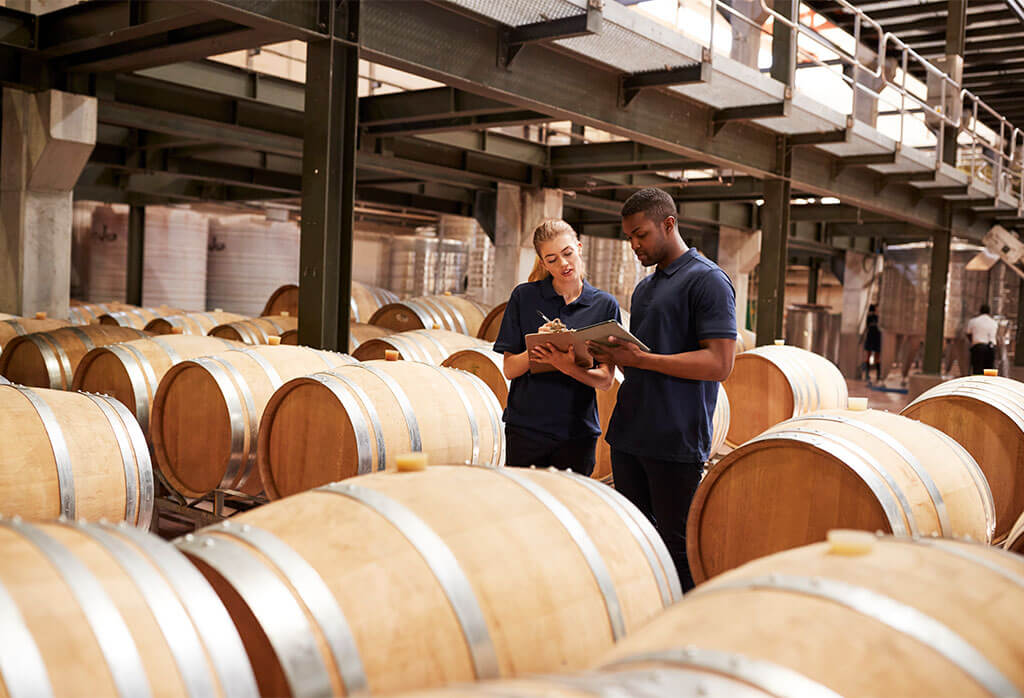
In 2025, Heaven Hill opened a 200-million-dollar facility with major new barrel capacity. That move reflects how whiskey ages for years, pushing leaders to place bets far ahead. When forecasts miss, warehouses fill, barrel orders stall, and workers face shorter production schedules. At the same time, tasting rooms stay busy, showing that whiskey tourism still supports local business activity. Many leaders blame a normal cycle after pandemic buying pushed sales above sustainable levels. Families facing higher rent, food, and insurance bills now spend less on premium bottles.

Younger adults also drink less often, changing older views about steady long-term growth. Those trends hurt bourbon exports, since foreign buyers face weaker growth and higher landed prices. The bourbon tariffs impact adds another strain because supply costs and market access both matter. Governor Andy Beshear argues that trade barriers raise costs and block new relationships in overseas markets. Some distillers disagree, saying inflation and forecasting mistakes hurt more than current tariff levels. Both views carry weight because bourbon planning starts years before each bottle reaches store shelves.

A company filling barrels today must guess future prices, demand, taxes, and shipping conditions. That long cycle explains why distillery expansion continues even during a visible market slowdown.

Bourbon demand downturn meets long-term expansion bets

Executives know older stocks support future sales only if fresh whiskey keeps aging right now. Stopping too sharply today risks thinner shelves later, once demand finds a healthier level. That logic helps explain major spending across the Kentucky bourbon industry through the next decade. Suppliers often feel the pain first because barrel orders drop faster than visitor spending. Cooperages then face growing backlogs, while trucking firms and grain sellers lose business volume. Local layoffs also spread concern across towns where distilleries anchor jobs and public revenue.

Yet whiskey tourism softens some pain, since tours, hotels, and restaurants collect outside spending. Visitors buy meals, book rooms, and support shops even when wholesale orders weaken. From my standpoint, the main problem is timing, not belief in bourbon itself today. Producers built for a boom, then found demand cooling before fresh investments paid back. Energy costs add new uncertainty, since conflict abroad often lifts fuel and freight expenses. Higher utility spending matters because distilling needs heat, storage, transport, and constant site maintenance.

In this setting, the bourbon demand downturn becomes both a business story and a political argument.

Why the next phase matters for Kentucky distillers

Democrats point toward trade policy, while many business owners stress cycles and consumer pressure. Voters hear both messages, yet daily living costs shape views more than policy details. For readers tracking distillery expansion, one lesson stands out: growth plans have not vanished. Instead, companies are stretching timelines, trimming output, and waiting for demand to steady. The next few years should show whether bourbon exports recover fast enough for today’s bets. Until then, distillers must protect cash, balance aging stocks, and keep visitor interest strong.

TAGS

EXPLORE MORE ON:

2026 Oscars International Feature

2026 Oscars International Feature shortlist news gives Arab cinema a proud moment on the world stage. Four regional films earned their spots among the final 15 titles in this category. Voters across 86 countries submitted entries, and only fifteen films advanced during this round. This historic result gives Arab storytelling fresh global attention and lasting industry respect today. Readers like you now watch a real shift in how the world sees Arab films.

Arab films Oscars 2026 reach a historic milestone

Iraq brings The President’s Cake, a debut drama from director Hasan Hadi about 1990s Baghdad. Tunisia offers The Voice of Hind Rajab, a Gaza story from Kaouther Ben Hania. Palestine 36 comes from Annemarie Jacir, and it revisits the Arab revolt of the 1930s. Jordan sends director Cherien Dabis with a family drama tracing Palestinian history since 1948. These four films share space with strong entries from India, Japan, Switzerland, and Taiwan. Spain’s Sirat, filmed in Morocco, adds one more regional link to this year’s list. Each film brings a distinct voice, yet all three Palestinian stories carry deep emotional weight.

2026 Oscars International Feature shortlist gains global weight

The 2026 Oscars International Feature shortlist shows how much Arab film talent has grown. Venice jurors handed The Voice of Hind Rajab the Silver Lion prize last year. Brad Pitt, Joaquin Phoenix, and Rooney Mara all joined the film as executive producers. Palestine 36 draws attention for its bold look at British Mandate history and revolt. The President’s Cake earns praise as a strong first feature from a new Iraqi voice. Critics praise all four directors for bold choices and honest, human storytelling on screen. From my standpoint, these four films prove Arab cinema now competes at the top level.

You can watch the nomination race narrow to five films on January 22, 2026. Academy voting opens on January 12 and then closes on January 16 this year. Members must watch all fifteen shortlisted films before they mark their final ballot choices. The nomination round asks members to compare films across many countries and film styles. Conan O’Brien hosts the 98th Academy Awards ceremony on March 15, 2026, in Los Angeles. The Academy defines the category by non-English dialogue and production outside the United States. Fans of the 2026 Oscars International Feature shortlist will follow three powerful Palestinian stories. Strong films like Homebound and Kokuho compete hard for the Best International Feature Film honor. Voters weigh story, acting, and direction while they compare these fifteen strong global titles.

A Strong Global Field Awaits

The 2026 Oscars International Feature shortlist gives regional directors a bigger platform than before. Women directed seven of the fifteen shortlisted films, a clear sign of shifting industry power. Arab films Oscars 2026 attention now shapes how many festivals plan their coming programs. Regional funding and festival support helped these four titles reach a wider global audience. France entered an Iranian film by director Jafar Panahi, made through a secret shoot. You now have four strong reasons to watch Arab cinema during this awards season. Arab film talent has reached the global stage, and the world keeps paying attention.

Social media viewership

Fans set new online records while the league celebrated its strongest ratings in decades. Social media viewership reached record highs during the 2026 NBA Finals between New York and San Antonio. The Knicks won their first championship in 53 years, and millions of fans watched everywhere. Games drew 20.6 million average viewers on ABC and ESPN, the most since 1998. Social platforms told a bigger story with 15 billion views across the five-game series. This figure nearly tripled the previous record, showing how fans now follow the action. Merchandise sales also hit a league record within the first day after Game 5.

Records fall on every screen

NBA Finals viewership climbed as young fans mixed live games with quick online clips. Game 5 alone pulled more than 4 billion views across the major social platforms online. A record comeback in Game 4 spread across feeds within minutes of the buzzer. Many viewers watched sports highlights on TikTok and YouTube instead of every full broadcast. An S&P Global report found 68 percent of fans still watch live games somewhere. About 38 percent watch clips and interviews on social media and other video sites. YouTube holds the largest share of all streaming time, according to Nielsen tracking reports. Global searches for the Knicks and Spurs reached all-time highs during the series run. These numbers explain why sports content on social media now shapes every league strategy.

Why social media viewership keeps climbing

Social media viewership grows because young fans want fast, shareable moments on their phones. Gen Z sports fans treat clips, memes, and reactions as part of the game. They follow teams through short videos rather than sitting for a whole live broadcast. Group chats and watch parties turn each game into a shared online social event. Short videos let fans follow teams during busy days without a long time commitment. Leagues see this shift and treat a young audience as a real business need. Teams now post behind-the-scenes videos and player clips to reach these younger viewers daily. Jonathan Miller, chief executive of Integrated Media, framed the stakes for team owners plainly. It is no longer a luxury to have a young base, Miller said clearly.

What broadcasters decide next

Broadcasters now face a hard choice about social media viewership and paid subscriptions online. Free clips build new fans, yet they can pull attention from costly live coverage. Live sports streaming still earns the most money through big television deals and subscriptions. Advertising also helps networks recover the huge cost of these long-term media contracts. The NBA works within an eleven-year deal worth 77 billion dollars with its partners. Rising fees push every network to earn back this spending as fast as possible. FIFA now lets broadcasters post the first ten minutes of each World Cup match. Each clip ends with a link, sending viewers toward the full paid live stream. New streaming viewers during the Finals skewed older, according to one audience tracking firm. From my standpoint, leagues win when free clips feed fans toward paid live games. Strong social media viewership can grow into loyal audiences for years to come now.

Israeli forces continue to clash

Israeli forces continue to clash in Lebanon while officials in Jerusalem set no timeline for withdrawal. Defense Minister Israel Katz confirmed troops stay inside zones across Lebanon, Syria, and Gaza. Katz spoke at a memorial event honoring soldiers killed during the 2006 Lebanon war. He said Israel’s Lebanon security zones will stand until Hezbollah loses its weapons entirely. Katz also renewed a stern warning toward Iran over any future attack against Israel. This Israel-Iran full-force warning promises a heavy response for any strike linked to Lebanon operations. Israel and Lebanon signed a new framework agreement last week under United States sponsorship. The deal aims to build lasting peace and fully disarm the Iran-backed group Hezbollah. Prime Minister Benjamin Netanyahu ruled out any troop withdrawal from southern Lebanon so far. Officials say full withdrawal will happen only once Hezbollah gives up its complete arsenal.

Israeli forces continue to clash in Lebanon as security zones expand

Hezbollah pulled Lebanon into the wider Middle East war during early March rocket fighting. Fighters fired rockets aimed at Israel to avenge the death of a senior leader. Israel answered with heavy air raids and a wide ground push into southern Lebanon. Lebanon’s health ministry reports nearly 4,300 deaths from Israeli strikes since the fighting began. The Israeli military counts 38 soldiers and one civilian contractor lost across Lebanon operations.

Analysts note the IDF Lebanon Syria Gaza withdrawal debate stays unresolved after months of talks. Israeli jets have kept striking targets inside Syria since rebels removed longtime ruler Bashar al-Assad. Commanders say they want a fully demilitarized zone across the country’s entire southern border. Inside Gaza, Israeli troops now hold close to 70 percent of the entire territory. Hamas and Israel each accuse the other side of breaking the active truce terms.

Israel Katz Hezbollah statement adds pressure across the region

This ceasefire took hold last October and still guides current daily military ground operations. The Hezbollah disarmament ceasefire question now shapes talks between Washington, Beirut and Jerusalem daily. Katz said, “We will not withdraw from the security zones,” during his Wednesday remarks. Israeli forces continue to clash in Lebanon each week despite the newly signed agreement. This Israel Katz Hezbollah statement signals continued pressure on armed militants inside Lebanon today. Israeli forces continue to clash in Lebanon while diplomats push for a lasting deal. From my standpoint, this dual pressure campaign slows diplomacy and raises overall regional risk.

Israeli forces continue to clash in Lebanon, and the security zone policy shows no change. Hezbollah leader Naim Qassem demands a full and unconditional Israeli pullback from Lebanese soil. Beirut officials say the disarmament process needs firm guarantees before any real troop exit. Washington mediators keep pushing both sides toward a durable and lasting regional peace deal. Investors watch these tensions closely since regional stability shapes energy prices and market confidence. Lebanese civilians near the border face daily uncertainty amid continued strikes and shifting front lines. Regional leaders now call for renewed talks to prevent a broader regional escalation cycle. The coming weeks likely decide whether this fragile framework holds together or collapses entirely.

Share this post

on your favourite social platforms

or copy the link