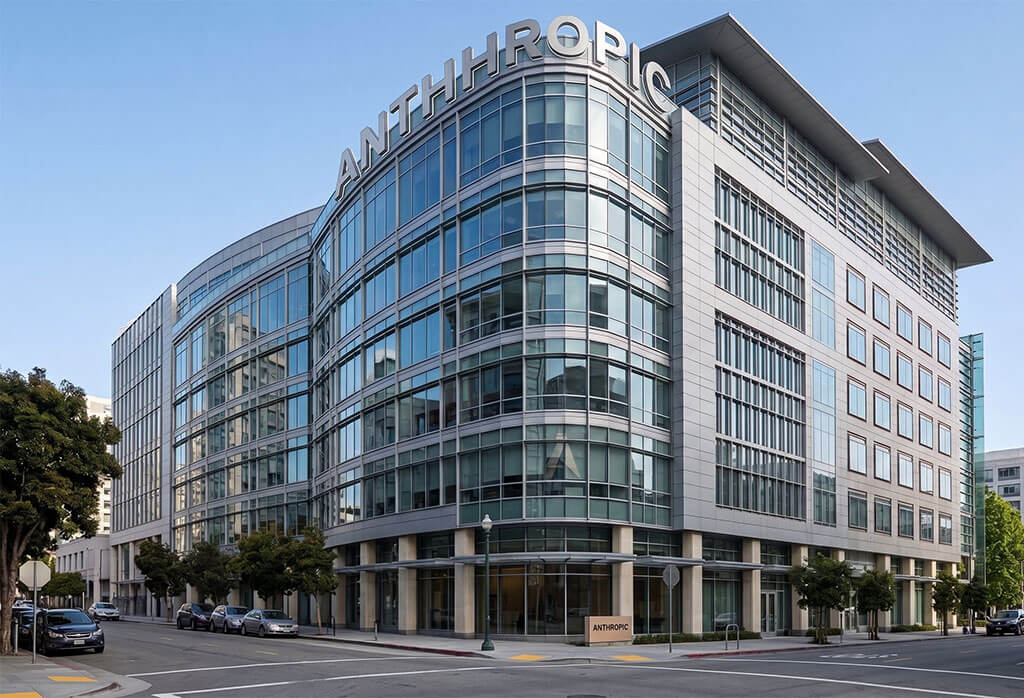



AI theft accusations from Anthropic now target Alibaba over a sweeping campaign against Claude AI models. The American firm told US senators about the breach in a June 10 letter. Anthropic claims the secret operation ran between April 22 and June 5 this year. Nearly 25,000 fraudulent accounts produced more than 28.8 million exchanges with the Claude system. Those numbers make this the largest known Claude AI distillation attack on the company. Senators received the warning letter ahead of a planned hearing on artificial intelligence safety. Anthropic shared the detailed figures to clearly show the unusual size of this breach.
Inside the Alibaba Qwen Claude extraction claim
Distillation trains a weaker model on the outputs of a stronger and smarter one. Engineers feed millions of answers into a cheaper system to copy advanced skills fast. Anthropic says the operation aimed to speed China’s race toward its Mythos Preview models. The company tied the whole effort to Alibaba and its Qwen AI research unit. Operators behind the Alibaba Qwen Claude extraction targeted software engineering and agentic reasoning skills. Both of these areas rank among the most valuable frontiers in modern AI today. Anthropic argues this method lets rivals copy advanced systems without the original research cost.
What the AI theft accusations from Anthropic involve
Earlier this year, Anthropic also flagged similar attempts by three other Chinese AI labs. DeepSeek generated over 150,000 exchanges, while Moonshot AI passed 3.4 million with the model. MiniMax then topped 13 million exchanges, making Alibaba’s alleged campaign much larger by comparison. American firms now warn loudly about AI intellectual property theft tied to China today. From my standpoint, this scale of extraction signals a serious shift in competitive pressure. These campaigns grow more advanced each year, the company warned policymakers and cloud partners.
US AI export controls now limit how China reaches Anthropic’s newest and strongest systems. Commerce officials restricted the latest Mythos and Fable models on June 12 this year. Anthropic then disabled global access to those models after the new government directive arrived. In its letter, Anthropic wrote that Alibaba “ignored the Trump Administration’s warnings” during the campaign. Officials also added Alibaba to the Pentagon’s list of Chinese military companies this month. Alibaba is challenging the designation while expanding its Qwen AI work across global markets. Washington has openly accused Beijing of stealing US AI ideas on an industrial scale. Regulators held off blacklisting DeepSeek even after flagging the firm as a security risk.
Why the Anthropic-Alibaba AI theft fight matters to you
These AI theft accusations from Anthropic shape how nations guard their best AI research. Models built through copied outputs often skip the safety checks of their original source. For everyday users, weaker safety controls raise real risks of misuse and false output. Independent experts say these copied models can spread harmful content with fewer working safeguards. Anthropic wants closer threat sharing between AI developers and the US government going forward. Lawmakers will weigh these AI theft accusations from Anthropic during upcoming hearings on policy. Your trust in safe AI tools now depends on how this serious case ends. For now, the AI theft accusations from Anthropic keep global AI competition firmly tense.