
icnlive

WATCH LIVE. THINK BUSINESS.

© 2026 ICN.LIVE

ICN.live

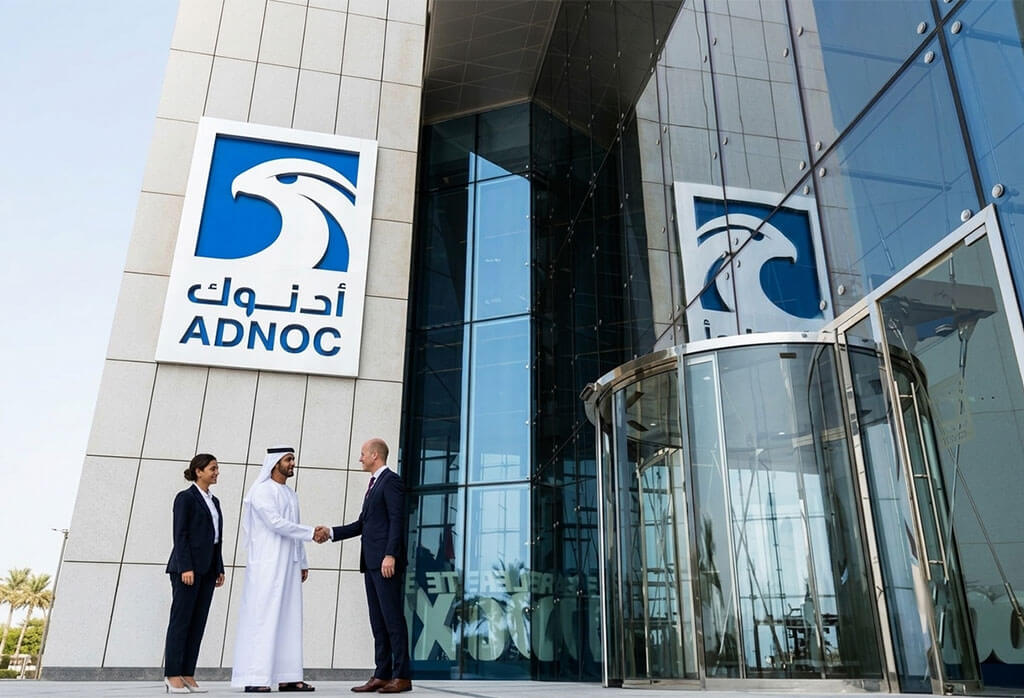
  • ADNOC approved a $6.2 billion final investment decision to develop the Umm Shaif Gas Cap offshore Abu Dhabi.
  • The project brings in TotalEnergies, Eni and China National Petroleum Corporation as partners.
  • First output is expected by 2030, adding more than 600 million standard cubic feet of gas per day.
  • That volume equals almost 10 percent of the UAE’s current daily gas use.

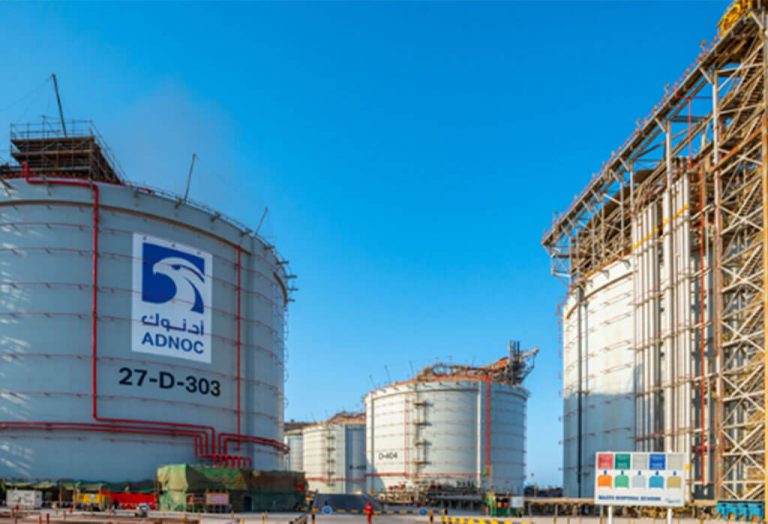
The ADNOC Umm Shaif Gas Cap has moved from a plan to a funded project, with a $6.2 billion final investment decision now signed. ADNOC will develop the offshore field alongside TotalEnergies, Eni and China National Petroleum Corporation. The deal carries a headline figure of AED22.6 billion. It targets first output by 2030.

What the ADNOC Umm Shaif Gas Cap deal delivers

The development will add more than 600 million standard cubic feet per day of natural gas and associated gas liquids. That equals close to 10 percent of what the UAE burns in a day right now. For a country holding the world’s seventh-largest gas reserves, the math matters. Rising UAE natural gas production feeds homes, factories, and the power-hungry data centres behind artificial intelligence growth. You can read this as a bet on demand staying strong.

The Umm Shaif Gas Cap FID sits inside a wider push. ADNOC has been expanding its liquefied natural gas reach and firming up UAE energy security at the same time. Global demand for lower-carbon gas keeps rising, which raises the stakes. Both goals point the same direction.

Who is building it and how

Contracts back up the ambition. ADNOC awarded three engineering, procurement and construction packages worth a combined $5.1 billion, or AED18.8 billion. Consortiums of UAE and international contractors won the work, which covers large-scale offshore infrastructure. A separate $365 million programme, AED1.3 billion, funds 14 wells. ADNOC Drilling will run that campaign over 18 months using three rigs it already owns. No new rigs join the field.

Dr. Sultan Ahmed Al Jaber, Minister of Industry and Advanced Technology and ADNOC Managing Director and Group CEO, tied the move to the company’s broader plan. “The Umm Shaif Gas Cap FID is another important milestone in delivering this strategy and reinforcing ADNOC’s position as a reliable gas supplier,” he said. Umm Shaif is Abu Dhabi’s longest-operating offshore field, so this builds on decades of work.

The field runs deep in the emirate’s history. It hosted Abu Dhabi’s first offshore well and fed the emirate’s first oil exports back in 1962. Six decades on, it now anchors a gas plan aimed at near self-sufficiency by 2030.

The bigger gas play

This Abu Dhabi offshore gas project does not stand alone. The ADNOC Umm Shaif Gas Cap follows a concession award for the Bab Gas Cap from the Supreme Council for Financial and Economic Affairs. That field is expected to add another 1.5 billion standard cubic feet per day of gas and liquids. Stack the two, and the supply picture grows fast.

There is a trading side too. A new ADNOC LNG platform now sits in Abu Dhabi Global Market. The venture is chasing 47 million tonnes per annum of marketable LNG capacity by 2035. That scale would place it among the largest LNG traders anywhere. The ADNOC Umm Shaif Gas Cap fits neatly into that goal, feeding molecules into a growing export machine.

My read: the ADNOC Umm Shaif Gas Cap is Abu Dhabi buying insurance and market share at once. Demand for reliable, lower-carbon gas keeps climbing, and ADNOC wants to be the name buyers trust when they place long orders. The 2030 timeline gives partners room to build. Watch the drilling pace over the next 18 months for the first real signal.

TAGS

EXPLORE MORE ON:

Shamsa Entertainment City

Shamsa Entertainment City has opened its doors in Aljada, and it gives families a fresh reason to head out this summer. The open-air venue runs until 5 September under the theme “Shamsa Festival, Where Joy Shines”. It sits inside Sharjah Summer Promotions 2026, the emirate’s yearly push to bring shoppers and visitors out during the warmer months.

The Sharjah Chamber of Commerce and Industry and the Sharjah Commerce and Tourism Development Authority organise the venue together. Their pitch is simple. Give families interactive activities and outdoor entertainment, and lift the local economy at the same time.

What Shamsa Entertainment City offers

Picture a summer hub built for kids and parents. Interactive games and open-air fun fill the space in Aljada Sharjah, one of the emirate’s newer community districts. The layout leans on hands-on play rather than passive screens, which keeps younger visitors moving. That setting matters. Aljada already pulls crowds for dining and events, so the venue lands where people already are.

You do not have to travel far to reach it. That is the whole idea. Organisers want a spot that feels close, easy, and worth the trip on a hot afternoon.

Inside Sharjah Summer Promotions 2026

Shamsa Entertainment City is one piece of a much larger campaign. Sharjah Summer Promotions 2026 reaches across Sharjah City, the Central Region, and the East Coast towns of Khorfakkan, Kalba, and Dibba Al Hisn. Shoppers can find discounts of up to 75 percent across thousands of retail outlets and shopping malls.

The season offers more than shopping. Families also get over 60 Sharjah tourism packages and experiences, plus more than 700 prizes for visitors. Over 55 public and private partners back the programme, which shows how much weight the emirate puts behind it.

Khalid Jasim Al Midfa, Chairman of the Sharjah Commerce and Tourism Development Authority, said the campaign aimed to strengthen Sharjah’s position as a tourism and family destination. He described a summer atmosphere that brings together entertainment, creativity, and community engagement for citizens, residents, and tourists.

Why the venue matters now

Mohammad Ahmed Amin Al Awadi, Director-General of SCCI, said the launch reflected the chamber’s work to support economic activity and community well-being. Read between the lines, and the plan is clear. Entertainment brings families in. Families spend. Retail and tourism both gain.

Sharjah has run this play before. The 2025 edition drew strong turnout and gave local businesses a measurable lift. This year’s version stretches the summer season longer and adds more partners, so the emirate is building on something that already works. The model rewards repeat visits, and that is where the real value sits for organisers.

For families weighing where to spend a summer day, the appeal is practical. You get activities for the kids, deals for the household, and a short drive rather than a long one. That mix turns a one-time visit into a habit, and it positions Sharjah as a family destination worth returning to.

Shamsa Entertainment City runs through early September, which leaves plenty of weekends to plan around. If you live in or near the emirate, the calendar is on your side. The venue and the wider campaign both wind down before the school term picks up, so the window is open now.

UAE music licence for businesse

A UAE music licence for businesses will soon shape the cost of playing a song in public. From December 2026, restaurants, cafes, hotels, malls, gyms and airlines that play music must hold one. The Ministry of Economy and Tourism set out the rules in a new guide on music rights. The guide covers a wide list of venues. Radio stations, TV channels, concerts and similar events fall under it too. Each licence lasts one year and can be renewed. Fee brackets depend on how the music is used and how big the business is.

Who collects the UAE music licensing fees?

Two Ministry-approved bodies will handle the UAE music licence for businesses. The Emirates Music Rights Association and Music Nation UAE act for the rights holders. That pool includes composers, singers, record producers and publishers. They will issue the permits and take in the money.

The Ministry did not publish exact fee amounts. What it did confirm is the shape of the fees. Live music and DJ sets tend to cost more. Smaller venues with background music should pay less. Not every place has to pay. Schools and academic bodies are exempt. Government offices, national events and private, non-commercial parties also sit outside the rules. The Ministry can add more exempt groups later.

Why the UAE music licence for businesses matters now

Abdullah bin Touq Al Marri, Minister of Economy and Tourism, tied the move to the wider economy. He said the UAE backs its music and creative sectors as it works to widen its income. The minister called the guide one step toward a full system for copyright and related rights. It fits the goals of UAE Vision 2031.

Here is the practical read. The commercial use of music UAE venues rely on is now a paid, tracked activity. Pressing play on a home streaming app and hoping no one asks carries real risk. If you run a venue, this is your cue to check your setup. The framework rests on the UAE copyright law. Back in 2021, the country reshaped that law with fresh rules on copyright and neighbouring rights. Those rules created public performance rights across the country. Now the guide gives them a way to be enforced and paid.

The guide also sets up a Cultural Support Fund in the Field of Music. It will give money, technical help and artistic support for writing, production and live shows. Support targets new talent, including children, youth and people of determination. The fund will also carry Emirati music abroad. Ten per cent of all fees collected will feed this fund. A joint team from the Ministry of Economy and Tourism and the Ministry of Culture will run it. The collecting bodies must keep a separate bank account for the fund’s share.

Oversight and disputes

The Ministry will watch the licensed bodies for compliance with the UAE copyright law. Checks include field visits and reviews of financial and technical records. Complaints from rights holders will be handled too, with calm settlements sought or action taken where needed.

One line stands out. The Ministry keeps the right to change licence terms when the rules or public interest call for it, and licensees must comply at once. For venues, the UAE music licence for businesses is now a fixed cost of running a room with a soundtrack. My read: firms that move early will feel the least pain.

Superintelligence for everyone

Superintelligence for everyone is the bet Mark Zuckerberg placed this week. On August 10, the Meta chief published an essay titled The Future is for Everyone, and his argument runs simple. The most advanced AI should sit in your hands, not inside a handful of labs. What matters most, he wrote, is not who builds the strongest system first. It is who gets to use it.

The three ideas behind the plan

Zuckerberg built his case on three ideas. People, not big institutions, create prosperity. AI’s real value lies in helping you invent things rather than replacing your job. And safety comes from spreading power widely, so no single company or government can dominate. He calls his preferred version personal superintelligence, and he wants Meta to lead in building it.

Think of it this way. If one person owned a superintelligent lawyer, they could win in court even when they were wrong. Give everyone that same lawyer, Zuckerberg argues, and the system gets fairer. That thought experiment sits at the center of the Mark Zuckerberg AI vision laid out in the essay.

What Meta says it will build

Superintelligence for everyone starts, in Meta’s telling, with a personal assistant. Meta wants to put personal AI agents in front of billions of people. Zuckerberg described an assistant that works around the clock on your behalf, helping with your health, career, finances, relationships, and home. He said it would run with strong privacy, modeled on the encryption Meta uses in WhatsApp, so your information stays yours.

Cost sits at the heart of the pitch. Meta plans free versions for billions of users, plus a paid tier for people who want more computing power. Zuckerberg also said Meta superintelligence work now runs through Meta Superintelligence Labs, and the company will resume releasing some open-source AI models soon. No firm dates appear for when these tools reach users.

“Everyone will have an exceptionally capable personal agent that understands you, your goals, and everything you care about. Your agent will work 24/7 on your behalf to improve your relationships, health, career, finances, home management, hobbies, and more. It will free up time for the things you enjoy, and help you accomplish more than you could otherwise.”, Mark said.

Why the finance crowd is watching

Zuckerberg frames invention, not automation, as the real prize. He predicts new kinds of work, from one-person studios making custom products to small teams running sizable companies with a capable agent. That prediction rests on people gaining skills as fast as machines gain them. Whether that holds is uncertain, and he admits the transition could be hard for many workers.

The essay also answers a common worry about who benefits. Meta points to Richland Parish, Louisiana, where it is building a large data center. Teachers there received a 50,000 dollar bonus this year from the added tax revenue, the company said. Local promises like these form what Meta calls a community compact, backed by a fund for the towns it builds in.

Superintelligence for everyone, or a Meta pitch?

The essay reads as philosophy more than product news. It names no launch dates and no specific models. Superintelligence for everyone is the frame, yet the plan still runs on Meta’s platforms, Meta’s compute, and Meta’s terms. For readers weighing the promise, that tension is worth watching. The idea of superintelligence for everyone sounds open by design. Delivery, for now, sits with one company.

Share this post

on your favourite social platforms

or copy the link