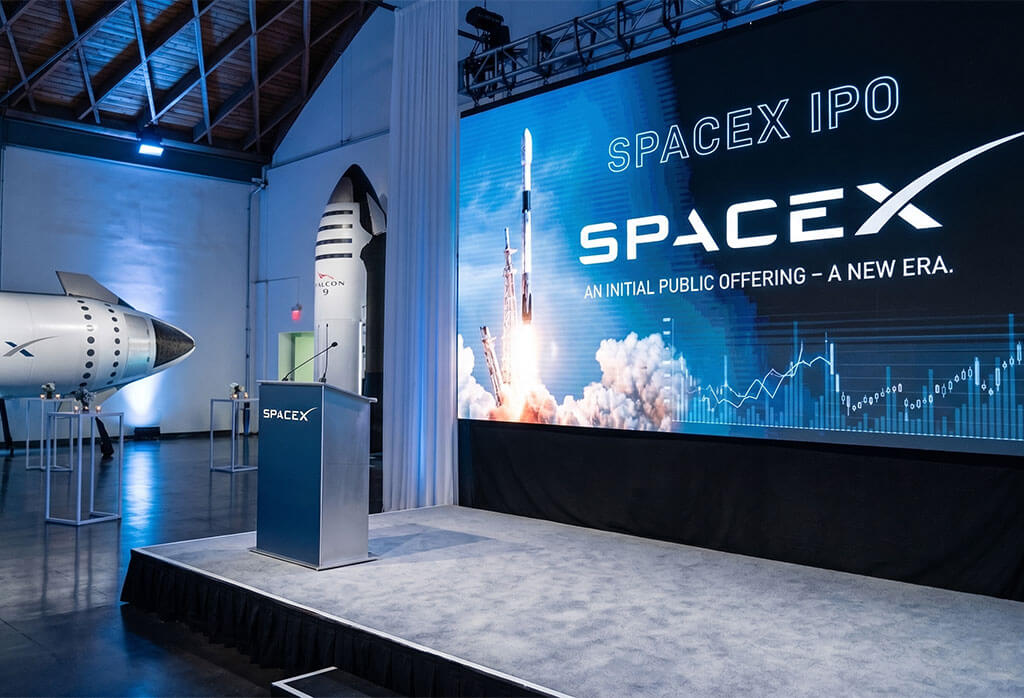



SpaceX’s IPO became the largest stock market debut in history after raising a record sum. The rocket and AI company brought in $85.7bn once the banks finished the full sale. Elon Musk first told staff the firm planned to fund a significant growth phase. Strong investor demand pushed the underwriters to add billions more through one special clause. The SpaceX IPO quickly drew strong attention from buyers across the entire global market. Public investors first put in $75bn before the extra shares lifted the final total. Banks backing the deal used a greenshoe option, a tool built for strong demand.
Goldman Sachs, Bank of America, and JPMorgan exercised the option in its full amount. They bought an additional 83.3 million shares directly from the company to meet interest. This mechanism helps prevent wild price swings and keeps the early trading process calmer. Heavy buyer appetite during the sale made the full greenshoe purchase an easy decision.
SpaceX IPO breaks every previous record
The SpaceX stock price opened near $150 and closed around $161 on day one. Shares first reached public investors at $135, valuing the entire company at about $1.8tn. Momentum continued strongly into Monday as the shares climbed past $190 during active trading. The SpaceX Nasdaq SPCX debut also drew record orders from everyday retail investors nationwide. Retail buyers ordered shares at a pace far above the level seen in normal listings. Vanda Research noted SpaceX shares ranked as the most bought stock by retail buyers. Such heavy interest gave the firm cover to release more shares without harming prices.
Market gains during the debut turned Elon Musk into the world’s first trillionaire founder. The Elon Musk trillionaire status rests on his shares because his wealth sits inside SpaceX. A sharp drop in price would strip the title as fast as gains created it. From my standpoint, this heavy dependence ties one man’s fortune to daily market movement.
Why the SpaceX valuation worries some analysts
Analysts warn that the high SpaceX valuation leaves the company little room for any mistakes. The firm still loses money, posting a net loss of about $4.3bn last quarter. Rising competition and tighter regulation now test whether the firm can maintain its growth. Musk holds roughly 85% of the voting power, keeping firm control over the business.
What the SpaceX IPO means for you
Company president Gwynne Shotwell celebrated the moment with a direct message to long-term staff. She said, “Today, we make history again,” while speaking at the Times Square ceremony. Musk also told the crowd the firm plans to expand rockets, satellites, and AI work. You should watch how the SpaceX stock price moves before choosing any future position. Volatility often follows a debut this size, so early prices rarely stay fixed for long. The SpaceX IPO now funds plans for rockets, satellites, and new AI compute systems. Your own view should weigh both the record demand and the clear financial risk. The SpaceX IPO now stands as a turning point for public markets and space firms.