


icnlive

WATCH LIVE. THINK BUSINESS.

© 2026 ICN.LIVE

Emirati Women’s Day 2026 arrives on 28 August with a change of format, as the UAE extends a single date into a

Trending News

Dubai World Trade Centre 2025

Strong attendance mattered because business events support hotels, airlines, restaurants, transport firms, and service providers.

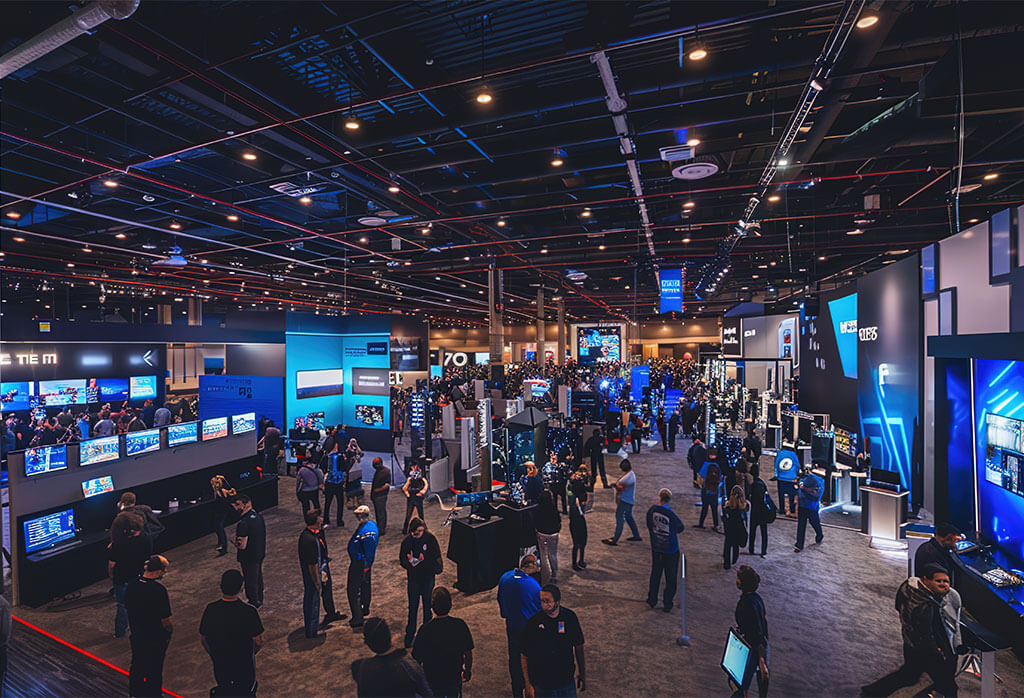
Leaders at DWTC linked this performance to the Dubai Economic Agenda D33 and long-term planning. Helal Saeed Almarri said the record year showed resilience across Dubai’s wider business events ecosystem. His comments also pointed to stronger infrastructure, deeper sector reach, and consistent international engagement. These Dubai MICE events drew global interest across healthcare, technology, food, retail, and logistics sectors. Dubai World Trade Centre 2025 results also highlighted flagship exhibitions with nearly 630,000 total participants.

Those events included major names such as GITEX Global and Gulfood Manufacturing across busy sectors. Gulfood Manufacturing posted the fastest portfolio growth, while GITEX Global also delivered solid annual gains. DXB LIVE supported 442 major projects, extending operations across Dubai, the region, and global cities.

Dubai World Trade Centre 2025 results and flagship event momentum

Healthcare and medical events ranked first, drawing 436,000 participants across twenty-three separate gatherings. Major healthcare names included World Health Expo, AEEDC, DUPHAT, Medlab, and Dubai Derma during 2025. ICT, electronics, and emerging technology ranked second, helped by Expand North Star and GITEX Global. Food and beverage events held third place, supported by Gulfood and Gulfood Manufacturing attendance strength. Retail events also performed well, alongside security, defence, safety, beauty, construction, and tourism shows.

Seven new exhibitions added fresh variety, bringing 30,000 participants and 750 exhibiting companies overall. Conference activity also added weight, with 25 conferences bringing 62,000 participants during the year. New conference launches contributed 12,000 attendees, reflecting demand for specialist forums and executive networking. International association meetings welcomed 29,000 participants, showing Dubai’s appeal for global professional communities worldwide. Events such as the Arab Media Summit and AWS Summit Dubai helped broaden reach.

Dubai Exhibition Centre expansion supports the next growth stage

Dubai Exhibition Centre completed phase one and delivered 140,000 square metres of event space. At Expo City Dubai, the venue hosted 36 events and welcomed 319,000 participants. Those early numbers suggest strong readiness for larger shows while expansion works continue onsite. From my standpoint, this expansion gives Dubai stronger flexibility when organisers plan complex calendars. DWTC also reported strong asset occupancy and licensed 850 new companies inside its Free Zone. Dubai World Trade Centre 2025 results point to a mature platform with room for further international growth.

Saudi banks market capitalization

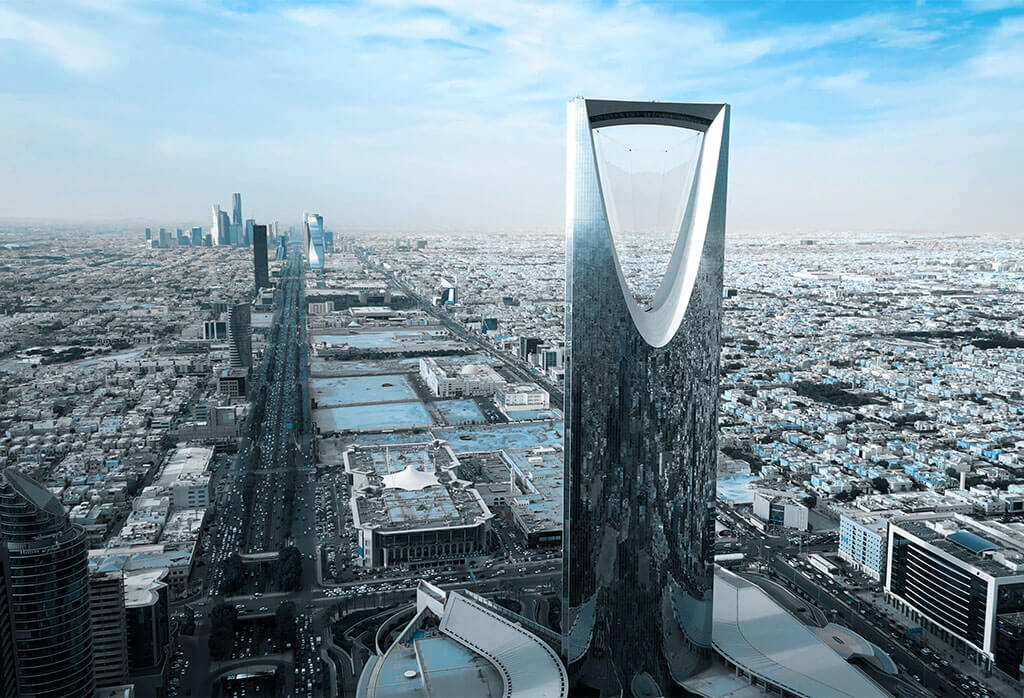
Saudi banks’ market capitalization rose during Q1 2026, showing strong local confidence despite regional pressure. Domestic buyers supported bank shares while wider markets faced weaker sentiment and rising political tension. S&P Global data placed Saudi lenders above peers across the Gulf and Africa sample. Alinma Bank posted the sharpest rise, moving higher in regional rankings during March. Saudi Awwal Bank also climbed, adding weight to the local banking rally. Those moves showed a clear gap between Saudi performance and nearby banking markets. Foreign selling pressure hurt some neighbors more because outside ownership levels stay higher. Saudi Arabia looked steadier because local institutions kept buying domestic shares despite uncertainty. From my standpoint, investor loyalty shaped a powerful shield for bank valuations. This pattern matters for readers because bank value often reflects confidence in earnings.

Saudi banks market capitalization highlight

Al Rajhi Bank and Saudi National Bank kept their places as regional leaders by value. Al Rajhi reached a market value above $113 billion after a solid quarterly increase. Saudi National Bank also moved higher, passing $66 billion by quarter’s end. Those gains reinforced Saudi Arabia’s lead within the region’s listed banking sector. Alinma Bank drew added attention because its rise topped all banks in the sample. A near 18 percent jump lifted Alinma toward the upper tier of regional lenders. Saudi Awwal Bank followed with a gain above 15 percent during the quarter. Both lenders gained ranking positions, which showed wider investor belief in Saudi banking prospects. Local corporates and state-linked entities added fresh money into domestic equities early. Such buying gave banks a reliable base when external risk appetite weakened elsewhere.

Why local support mattered most

Saudi banks benefited from ownership patterns that rely more on local money than on their neighbors. Such a structure helped shield share prices from large foreign outflows during tension. In the United Arab Emirates, similar support appeared, though foreign ownership remains higher. Higher outside ownership often leaves share prices more sensitive during uncertain regional moments. Saudi lenders faced pressure too, yet domestic support changed market direction during Q1. Readers should note that market value growth does not guarantee stronger profits by itself. Still, market value often signals investor trust in future earnings and balance sheet strength. Saudi banks entered 2026 with solid franchises, deep customer bases, and policy support. Those strengths gave investors reasons to stay committed even when headlines turned darker. The result placed Saudi Arabia alone among Gulf peers with broad first-quarter gains.

Fitch’s view adds context

Fitch Ratings offered another reason behind investor calm across the GCC banking sector. The agency said near-term credit risks from regional conflict remain limited for banks. Ratings across Gulf lenders still depend heavily on expected sovereign support during stress. Saudi Arabia and neighboring states hold financial buffers linked to hydrocarbon wealth and reserves. Those buffers reduce concern around short disruptions unless fighting grows far wider. African banks in the same sample showed a weaker picture during the quarter. Standard Bank Group was the only African lender posting a higher value by quarter’s end. Such contrast made Saudi performance stand out even more across both regions. For your market watchlist, Saudi banks now look stronger on sentiment, support, and scale. Q1 2026 showed local conviction still carries major weight across Saudi bank valuations.