



icnlive

Ebola cases in Congo have reached 1,274, including 360 deaths in official health records. Health teams across the Democratic Republic of Congo

Trending Health

improved method for creating insulin-producing cells

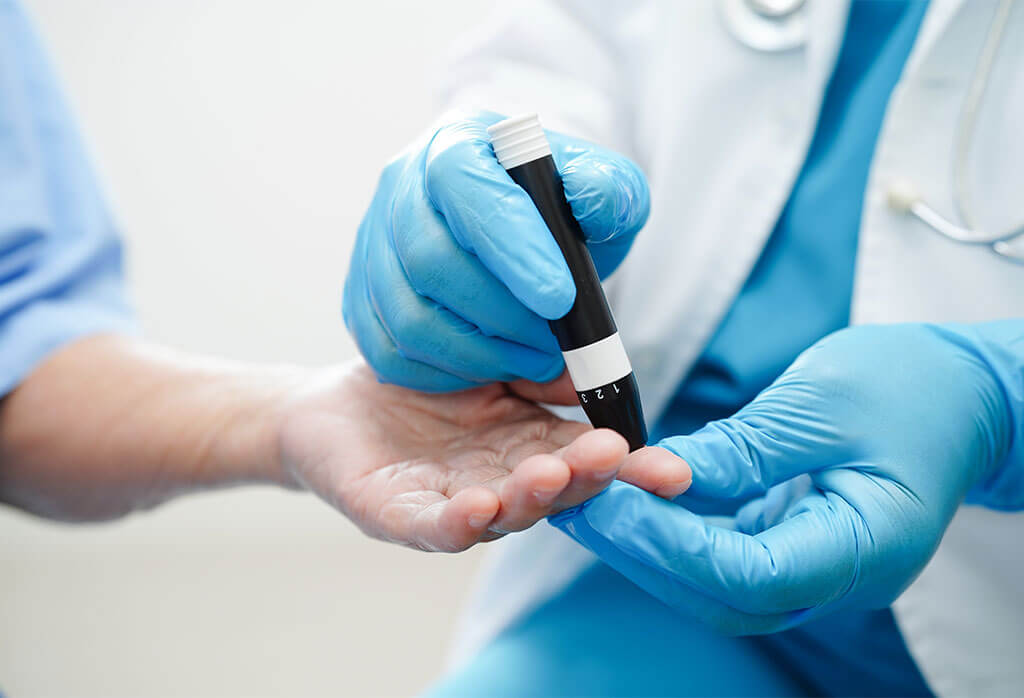
Improved method for creating insulin-producing cells now gives scientists a better tool against type 1 diabetes treatment failures. Researchers at Karolinska Institutet and KTH Royal Institute of Technology shared their results in Stem Cell Reports. Their work focuses on a new process for growing cells from human stem cells. These cells helped control blood sugar regulation in both lab tests and live animals.

Type 1 diabetes happens when the immune system attacks and kills pancreatic beta cells in the body. Once those cells are gone, the body cannot pull glucose from the blood on its own. Patients need insulin shots every day because their bodies stop making enough insulin to survive. Scientists have tried for years to grow new cells in a lab to replace the ones the body loses. Past efforts gave mixed results because the cells were not mature or pure enough to work well.

The new process fixes those problems by giving cells more time and better conditions to grow fully. Scientists now produce cells that are cleaner and more complete than those made by older methods. In lab tests, the cells sensed glucose and pushed out insulin at levels doctors would find useful. As I see it, the jump in cell quality is what makes this study stand out from past research.

Researchers Prove Results in Living Animals

The team put these new cells into mice that had diabetes to see how they worked in a live body. Those mice slowly got back the ability to manage their own blood sugar regulation after the transplant. Scientists placed the cells in the front part of the eye so they could watch them without deep surgery. That spot lets researchers see the cells clearly and check their progress without cutting into organs. It also lowers the risk for the animal and makes the whole process easier to track over time.

The mice getting better is strong early proof that the cells work the way scientists hoped they would. Improved method for creating insulin-producing cells like these could one day cut the need for daily insulin shots. The mice did not reject the cells right away, which shows good early signs of the body accepting them. These results give researchers a solid reason to think about testing the cells in humans one day.

Regenerative Medicine Gets a Real Push Forward

The field of regenerative medicine needs a way to grow large amounts of good cells before it can help patients. Old methods made too many weak or unfinished cells, which hurt the overall results in tests. This new process makes more useful cells per batch than any older method published so far. More good cells in each batch means better and steadier results when scientists move to the next step.

For people dealing with type 1 diabetes treatment every single day, this news gives real hope for change. Pancreatic beta cells that the immune system kills do not come back on their own with any current drug. A steady supply of lab-grown cells that work like real ones could change how doctors treat this disease. Improved method for creating insulin-producing cells could also help researchers working on other forms of diabetes. Scientists will keep working on the process before they try it on human patients.

The Path Toward Insulin Independence

Many researchers in this field want to help patients reach full insulin independence without daily injections. To get there, the new cells need to last a long time, read glucose levels well, and avoid immune attacks. This study shows the cells can do the first two things better than any past work has shown. The immune system question is still open and needs more work before doctors can use this in people.

An improved method for creating insulin-producing cells is a real move forward in solving that problem step by step. Karolinska Institutet and KTH have created a base that other science teams around the world can now use. For the many millions of people who manage type 1 diabetes each day, this kind of news matters a lot. Pancreatic beta cells grown in a lab now act more like real body cells than they ever did before. What comes next will show how fast this work can turn into real help for real patients.

Building muscle at 50

Building muscle at 50 starts with one clear truth: your body still responds when training fits your needs. You do not need reckless sessions, huge weights, or painful reps for real progress. You need a plan with purpose, patience, and movements that your joints handle well. This stage rewards people who train with control and show up each week. Your results depend less on ego and more on quality effort in every session. That shift often helps older lifters build better habits than younger athletes. A smart workout routine helps you keep muscle while reducing unnecessary stress.

Good strength training still works after fifty when exercise choices match recovery needs. Your body still adapts, though the process asks for more care and consistency. Sleep, food, and pacing matter more now than they once did. Those details shape muscle recovery and help you return stronger the next day. Joint health also matters more because pain interrupts progress faster than age alone. When your shoulders, hips, and knees move well, training stays productive and safe. From my perspective, this age rewards discipline more than flashy effort or trendy programs.

Building muscle at 50 also improves daily life outside the gym walls. Strong legs help stairs feel easier and support balance during busy days. A stronger back helps posture, protects the spine, and supports safer lifting. Better muscle mass also supports healthy aging through improved movement and independence. Many men fear lost time, yet consistency still changes the body meaningfully. Four solid training days often work better than rare all-out sessions. That schedule keeps muscles active without forcing endless volume or heavy strain. You do not need to chase punishment to prove that training works. You need clean reps, proper rest, and choices your body tolerates well.

ICN.live talked to fitness experts and created a personalized workout plan for men ( not exclusively ) at the 50+ years old stage. This is just a recommendation among many other available options, so we encourage you to execute your own research and apply only what suits you best.

EXECUTIVE SUMMARY

Objective: preserve muscle mass, maintain metabolic health, and extend functional longevity.
Core principle: strength + mobility + cardiovascular efficiency.
Constraint: recovery capacity is lower → programming must optimize stimulus-to-fatigue ratio.


TRAINING STRUCTURE (HIGH-RETURN MODEL)

Frequency: 5 days/week
Split:

  • 3× Strength (full-body bias)
  • 2× Cardio + Mobility
  • Daily low-intensity movement (steps)

Estimated Impact: High (top 20% of actions for long-term health and physique)
Confidence Level: High (consistent with longevity and sports medicine data)


WEEKLY SCHEDULE

Day Focus Details
Mon Strength A Upper + Lower compound
Tue Cardio + Mobility Zone 2 + flexibility
Wed Strength B Posterior chain + core
Thu Active Recovery Walking + mobility
Fri Strength C Mixed + stability
Sat Cardio Intervals VO2 max focus
Sun Rest Full recovery

STRENGTH TRAINING (CORE DRIVER)

DAY A — PUSH + LEGS

  • Squats (or leg press) — 3×8–10
  • Bench press (or dumbbells) — 3×8–10
  • Seated row — 3×10
  • Shoulder press — 3×8
  • Plank — 3×30–60 sec

Focus: maintain muscle + bone density


DAY B — POSTERIOR + CORE

  • Deadlift (light/moderate) — 3×5–8
  • Lat pulldown — 3×10
  • Incline dumbbell press — 3×10
  • Romanian deadlift — 3×10
  • Hanging knee raises — 3×12

Focus: spine health + posterior chain strength


DAY C — STABILITY + FUNCTIONAL

  • Lunges — 3×10/leg
  • Push-ups — 3×12
  • Cable rotations — 3×12
  • Farmer’s carry — 3×30 sec
  • Balance work (single-leg) — 3×30 sec

Focus: injury prevention + coordination


CARDIO (LONGEVITY ENGINE)

ZONE 2 (2× per week)

  • 30–45 minutes brisk walking/cycling
  • Heart rate: conversational pace

INTERVALS (1× per week)

  • 5 rounds:
    • 1 min fast
    • 2 min slow

Estimated Impact: Very high for cardiovascular lifespan
Confidence Level: High


MOBILITY & JOINT PRESERVATION

Daily (10–15 min):

  • Hip openers
  • Thoracic spine rotation
  • Hamstring stretch
  • Shoulder mobility

Add 1–2 yoga sessions/week if possible


RECOVERY (UNDERRATED LEVER)

  • Sleep: 7–8 hours (non-negotiable)
  • Rest days: active, not sedentary
  • Hydration: ~2.5–3L/day

Key Insight: Recovery drives adaptation more than training volume at this age


NUTRITION FRAMEWORK (SUPPORTING SYSTEM)

  • Protein: 1.6–2.0g/kg body weight
  • Prioritize: whole foods, omega-3, fiber
  • Reduce: sugar spikes + ultra-processed foods

Optional:

  • Creatine (muscle preservation)
  • Vitamin D + Magnesium

PERFORMANCE RULES (HIGH-ROI)

  1. No ego lifting → injury risk > benefit
  2. Consistency > intensity
  3. Progress slowly (2–5% weekly max)
  4. Pain = adjust immediately (not push through)

REVENUE-STYLE OPTIMIZATION (TIME ROI)

Lever Action ROI
Strength training 3× weekly Maximum muscle preservation
Zone 2 cardio 2× weekly Longevity + fat metabolism
Sleep optimization Daily Recovery multiplier
Mobility Daily 10 min Injury prevention

BOTTOM LINE

The highest-leverage strategy is not extreme training—it is sustainable, compound consistency across strength, cardio, and recovery.

If you want, I can optimize this plan specifically for:

  • fat loss
  • muscle gain
  • testosterone optimization
  • or a high-performance executive schedule (minimal time, maximum output)