

icnlive

ICN.live

Leila Al-Khatib

  • Meta now builds its own AI glasses in-house, with a $299 starting price.
  • The new line undercuts Ray-Ban Meta at $379 and Oakley Meta near $499.
  • Three styles ship, including an oval pair called Meta Glasses by Kylie.
  • Google, Samsung, and OpenAI all prepare rival glasses for later this year.

Affordable AI smart glasses by Meta arrived this week with a lower starting price. The company set the entry cost at $299 for its newest in-house wearable lineup. Meta designed these new frames internally, breaking from its earlier Ray-Ban and Oakley team-ups. You will notice the price drop first, since rival models start near $379 today. These new Meta Glasses play music, translate speech, and answer questions about your surroundings. The built-in cameras capture images, then the assistant reads details from what you see.

Andrew Bosworth, Meta’s chief technology officer, explained why the price point carries real weight. Bosworth said, “I’m still absolutely thrilled to see people wearing the Ray-Ban Metas and Oakley Metas.” He framed the new in-house frames as added choice for shoppers across different budgets. The lineup ships in three styles, each built for a separate kind of wearer. A model named Adventurer offers a small frame, while Fury runs larger and rounder. Meta Glasses by Kylie bring an oval shape created with the reality star Kylie Jenner.

These frames launch with the Muse Spark AI model from Meta’s Superintelligence Labs unit. The new model reads your photos better and remembers personal preferences across daily use. Older Ray-Ban and Oakley glasses will gain the same model through a free software update. During a recent press demo, the glasses counted calories in a bowl of fresh strawberries. They also translated an Arabic sign and suggested nearby museums for curious local visitors.

Affordable AI smart glasses by Meta meet new rivals

The AI smart glasses market will tighten soon, since Google and Samsung plan rival models. OpenAI works on its own hardware product, adding even more weight to the wider contest. Pew Research found 44% of American adults now use ChatGPT for their everyday questions. Gemini reaches 24% of those adults, while Meta AI sits well lower at 14%. Cheaper hardware gives Meta a clear path to put its assistant in many more hands. Affordable AI smart glasses by Meta now challenge this clear gap in assistant use. The lower Meta AI smart glasses price reflects a broader shift across the category. Analysts at IDC expect average prices to fall from $376 today toward $229 by 2030.

Shipments climbed 167% in early 2026 against the same quarter from one year before. Meta holds roughly 69% of this growing space, the research firm reported back in June. Mark Zuckerberg told investors the daily glasses users tripled across the past full year. Privacy worries still follow the whole category, so Meta added a visible recording light cue. The camera will not function unless the small indicator light on the front stays fully clear. From my standpoint, the price cut matters more than any single new feature here.

Why this shift matters for you

You now gain a real entry point without paying the higher Ray-Ban brand premium today. Affordable AI smart glasses by Meta widen who can afford to test daily wearable computing. The Meta Glasses by Kylie option adds a fashion angle at a $399 tier. Choice across three frame styles helps Meta reach buyers with different tastes and price limits. These cheaper frames will face stiff tests from Google and Samsung in the coming months. Affordable AI smart glasses by Meta now set the early pace in this race.


TAGS

EXPLORE MORE ON:

Ebola cases in Congo

Ebola cases in Congo have reached 1,274, including 360 deaths in official health records. Health teams across the Democratic Republic of Congo admit dozens of new patients each day. Recoveries almost doubled within a single week, climbing to 148 patients from 80 before. Doctors now study how this Bundibugyo virus behaves inside the human body during infection. Their work offers the clearest picture yet of one rare and little-studied Ebola strain.

You should know why these figures matter for public health planning across the region. Officials confirm the Ebola outbreak Congo faces grew faster than most earlier official projections suggested. Before this year, scientists recorded only two known Bundibugyo events anywhere since 2007 worldwide. Those earlier outbreaks produced fewer than 200 confirmed patients across two separate small clusters. The World Health Organisation declared this outbreak a global health emergency back in mid-May. Ituri Province holds most reported patients, with smaller clusters across North and South Kivu.

What happened in Congo?

Ebola cases in Congo have reached 1,274, and treatment units stay full almost everywhere. Doctors caution against early conclusions because hundreds of patients still need active hospital care now. Past Bundibugyo strains showed lower fatality rates than the common Zaire and Sudan species. Whether this current epidemic follows the same gentle pattern remains unclear for medical teams today. No approved vaccine or specific drug exists for this particular Bundibugyo virus strain today. Care relies on fluids, oxygen support, and close monitoring of blood and heart function.

Inside the symptoms doctors now track

A study in the New England Journal of Medicine described the first 505 confirmed patients. Researchers found common Bundibugyo Ebola symptoms like fever, vomiting, diarrhoea, headache and stomach pain. Loss of appetite appeared often, while bleeding stayed uncommon during the first medical visit. Early supportive care saves many lives, even without a targeted Bundibugyo virus treatment available. Patients who died carried much higher viral loads than the people who later survived. Susan McLellan said the virus seems to “move a little more slowly” through patients. She cared for Ebola patients in Sierra Leone and Congo during earlier major outbreaks. Doctors hope this current epidemic answers old questions about how the strain truly spreads. Better data helps teams separate the biology of the virus from the quality of care.

What this means for you and the region

From my standpoint, this outbreak shows how supportive care shapes survival during uncertain epidemics. Current Ebola cases 2026 figures will guide how agencies send staff and medical supplies. Careful tracking of DRC Ebola deaths lets researchers compare this strain against past patterns. Insecurity and population movement make contact tracing harder for response teams on the ground. Aid groups now run treatment centres in Bunia, Goma and Mongbwalu across the region. Each recovery offers hope, yet medical teams know the next weeks will test them. Families and frontline workers carry the heaviest weight during this long and tense fight. Ebola cases in Congo have reached 1,274, and the count keeps moving each day. You can follow official updates as scientists learn more about this unusual viral threat.

Affordable AI smart glasses by Meta
Abu Dhabi Fund for Development

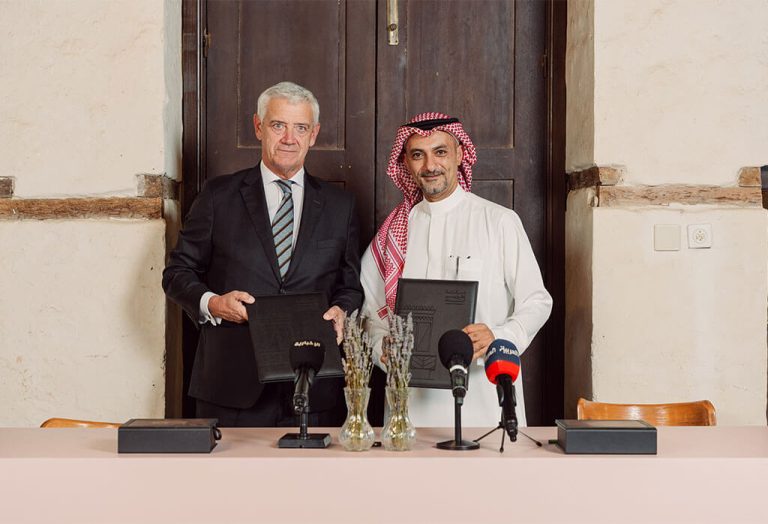
Abu Dhabi Fund for Development’s strategic investments reached AED562 million across six high-impact projects in 2025. These investments support healthcare, education, food security, and economic development across several emerging markets. The fund spread its capital across India, Vietnam, Indonesia, and Uzbekistan during the year. You can see how these projects target essential services in underserved regions around the world. Each investment aligns with the ADFD 2030 Strategy and its focus on lasting impact. Together, these projects should deliver healthcare to more than two million people each year. They also aim to educate over 34,000 students and support more than 10,000 jobs. Healthcare drew the largest share of activity during the year, according to the fund.

How the fund spread its money

In Vietnam, the fund backed SIS Hospital, a specialised stroke and cardiovascular care provider. This hospital serves roughly 17 million people across the Mekong Delta and nearby regions. Doctors there have raised the share of stroke patients who now receive timely treatment. The hospital also helped more than 1,300 low-income patients through its treatment assistance programmes. ADFD also invested in Tam Tri Medical, one of Vietnam’s largest private healthcare networks. This network served more than one million patients during 2025 across seven hospitals total. It works mostly in underserved cities and eases pressure on public health systems there.

Abu Dhabi Fund for Development strategic investments widen education access

Beyond hospitals, the fund put money into human capital through schools and student learning. Its investment in Phase Education supports more than 34,000 students across 31 school campuses. This platform now runs across Vietnam, Cambodia, and Thailand as a regional K-12 provider. The ADFD healthcare and education investments show a clear focus on essential daily services. Food security formed another core area for the fund throughout the past full year. In Uzbekistan, ADFD backed Korzinka, the country’s leading food retail chain, through its ADUI arm. The retailer employs more than 10,000 people and is now expanding its logistics operations widely.

Leadership view on the strategy has Mohamed Saif Al Suwaidi, Director-General of ADFD, described the strategy behind this large capital. He said the projects “strengthen economic resilience in partner countries” and advance shared prosperity goals.

What these investments mean for you

For you as a reader, these moves shape how development finance reaches real communities. The Abu Dhabi Fund for Development strategic investments target sectors people rely on daily. From my standpoint, this mix of healthcare and food spending shows careful, disciplined planning. Each project carries clear targets for patients, students, and workers across these partner nations. You also see a clear link to the ADFD 2030 Strategy in every choice. This wider push fits a broad global trend in emerging markets development finance today. The ADFD AED562 million investments cover six deals spread across four different partner countries.

A long-term path forward

Officials frame these deals as part of the fund’s broader long-term 2030 development goals. Abu Dhabi Fund for Development strategic investments form one part of a wider global program. Across decades, the fund has supported 108 countries through loans, grants, and equity stakes. You can expect more deals like these as the 2030 deadline draws closer now. These Abu Dhabi Fund for Development strategic investments will shape outcomes for millions ahead.

Share this post

on your favourite social platforms

or copy the link