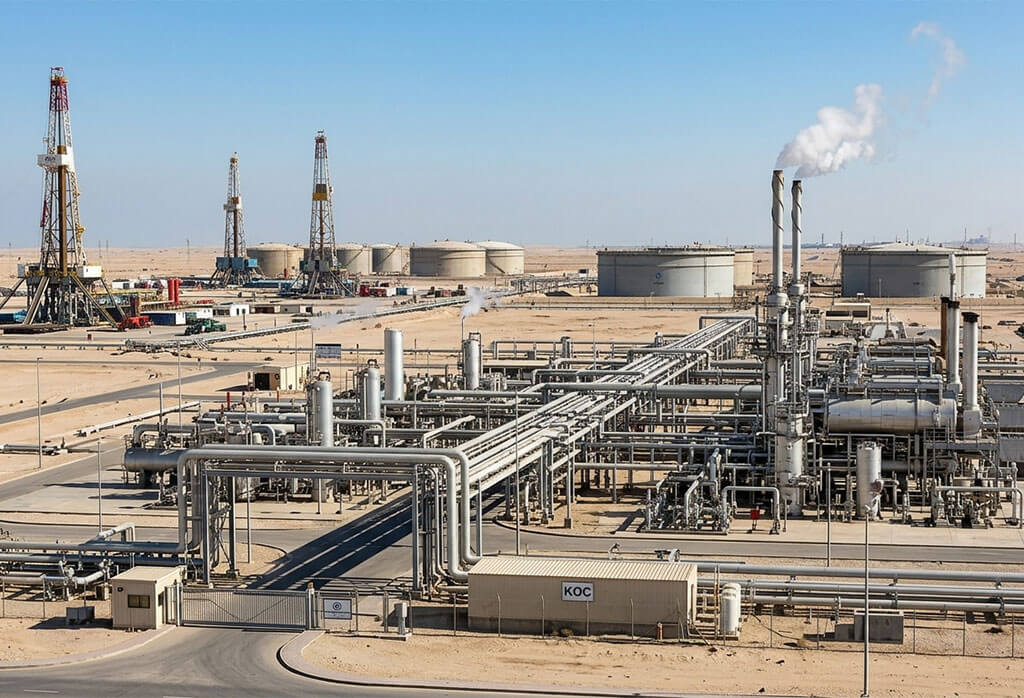



The $16 billion pipeline lease signed by Kuwait Oil Company gives three of the world’s biggest investors a share of the oil arteries that have carried Kuwaiti crude for decades. Kuwait Petroleum Corporation announced the agreement on Saturday. Its subsidiary, KOC, leases usage rights to all 13 of its pipelines into a newly formed Kuwaiti joint venture. Backing that venture: Blackstone, Brookfield and KKR.
Here’s the clever part. The pipelines never leave Kuwaiti hands.
How the $16 billion pipeline lease works
The structure is a lease-and-leaseback agreement, and it runs 20.5 years. KOC leases the network to the joint venture, then the venture leases the same pipelines straight back to KOC. In return, KOC keeps exclusive rights to use, operate and maintain every kilometre, and pays a tariff tied to the volume of crude that flows through. Roughly 320 kilometres of pipe sit inside the deal.
Ownership splits cleanly. KOC holds 51% of the joint venture and full operational control. Blackstone, Brookfield and KKR share the other 49%, each taking an equal one-third slice. The State of Kuwait still decides how much oil the country pumps and refines. No investor gets a vote on that.
Why $7.85 billion matters now
Cash is the point. The $16 billion pipeline lease is expected to generate $7.85 billion in upfront proceeds for KOC once the transaction closes. That money feeds Kuwait Petroleum Corporation’s spending plans, including a target of 4 million barrels of crude production capacity a day by 2035.
Think of it like remortgaging a house you fully intend to keep living in. You pull cash out today against an asset you still control, and you agree to steady payments over time. Kuwait gets funding without selling the pipelines or handing over the taps.
A signal to global investors
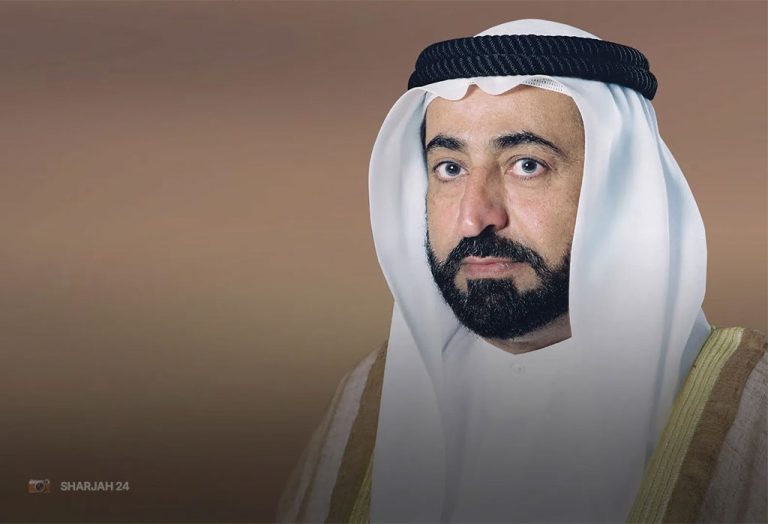
The timing tells its own story. Shaikh Nawaf Saud Al-Sabah, Deputy Chairman and CEO of KPC, called Project Peregrine the largest foreign direct investment in Kuwait’s history. He said the deal shows Kuwait rising as a destination for global capital, even amid a challenging regional environment.
That environment is real. The agreement lands as regional tensions weigh on the Gulf, yet three major asset managers still committed long-term money. Blackstone plans to open an office in Kuwait on the back of it.
The Kuwait Oil Company pipeline deal follows a path other Gulf producers already walked. Saudi Arabia’s Aramco and Abu Dhabi National Oil Company ran similar pipeline fundraisings, pulling private capital into infrastructure while keeping control of the barrels. The $16 billion pipeline lease puts Kuwait firmly in that company.
What happens next
The transaction is governed by Kuwaiti law. It still needs customary closing conditions and regulatory approvals before the money moves. Centerview Partners, HSBC and J.P. Morgan advised KPC on the deal.
For you as a reader watching where oil money flows, the message is direct. Gulf producers now treat their pipelines as financial assets, not fixed furniture. The $16 billion pipeline lease shows how a state oil company can raise billions today while keeping its hands on the wheel. Expect more deals shaped like this one.