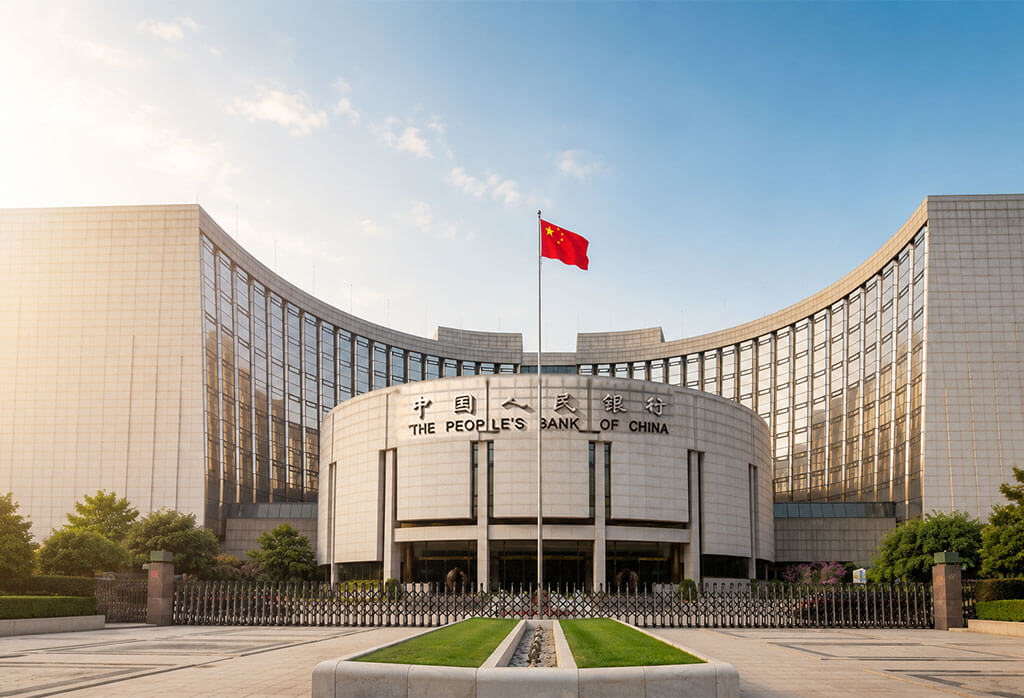



China’s Central Bank financial measures took center stage during a major financial event in Shanghai. Governor Pan Gongsheng announced six fresh policies during his speech at the opening session. He spoke at the Lujiazui Forum 2026, a busy two-day gathering held in Shanghai. The People’s Bank of China leads monetary policy for the world’s second-largest economy. These steps aim to grow offshore renminbi trading and steady the domestic money market. For you as a reader, these moves shape how global money flows toward China. Pan said the Central Bank will refine its short-term interest rate control system soon.
Officials plan to narrow the rate floating range from seventy basis points to fifty. The bank will also launch a renminbi repo facility for foreign monetary authorities abroad. This tool lets overseas central banks borrow yuan using top-rated Chinese bonds as collateral. Pan also addressed market risks during his detailed remarks at the forum in Shanghai. He said the country “continues to integrate into the global financial system” with care. Cross-market risk contagion grows as financial markets deepen across China and beyond its borders. Regulators want stronger oversight to close gaps and protect the wider financial system today.
China’s Central Bank financial measures target the offshore yuan
Six major state banks now hold rights to run offshore renminbi trading in Shanghai. These lenders include Bank of China and China Construction Bank among the first group. Trading now runs through the national platform inside the Shanghai free trade zone today. Counterparties came from Hong Kong, Singapore, and Britain across the first trading sessions held. Hong Kong still leads offshore yuan trade, yet Shanghai now offers a fresh route. The repo facility gives overseas official institutions a much easier path to yuan liquidity. Sovereign wealth funds can pledge top-rated Chinese bonds to borrow yuan with real ease.
Such steady access builds firm trust in the yuan among foreign reserve managers worldwide. From my standpoint, this shift hands Beijing far more control over yuan pricing abroad. The Central Bank will study a liquidity support tool for non-bank financial firms, too. Pan said this tool would apply only under certain market conditions when truly needed. Officials will also issue an action plan for offshore finance with the city government. The Central Bank will soon launch an interbank market data reporting repository as well. Experts call this package a high level of market liberalization for China this year.
What the China Central Bank’s financial measures mean for you
China’s Central Bank financial measures reflect a clear push to grow the yuan globally. These changes affect global investors, banks, and anyone tracking cross-border money flows quite closely. Foreign firms can now reach key services once limited to onshore Chinese markets only. Analysts say the plan helps Beijing watch capital outflows through compliant and legal channels. Pan Gongsheng framed these moves as steady reform rather than a sudden, sharp change. The year 2026 also opens the country’s fifteenth five-year plan for finance and growth. China’s Central Bank financial measures now place Shanghai at the heart of yuan growth. For you, the takeaway is simple: China wants a bigger global role for its currency.