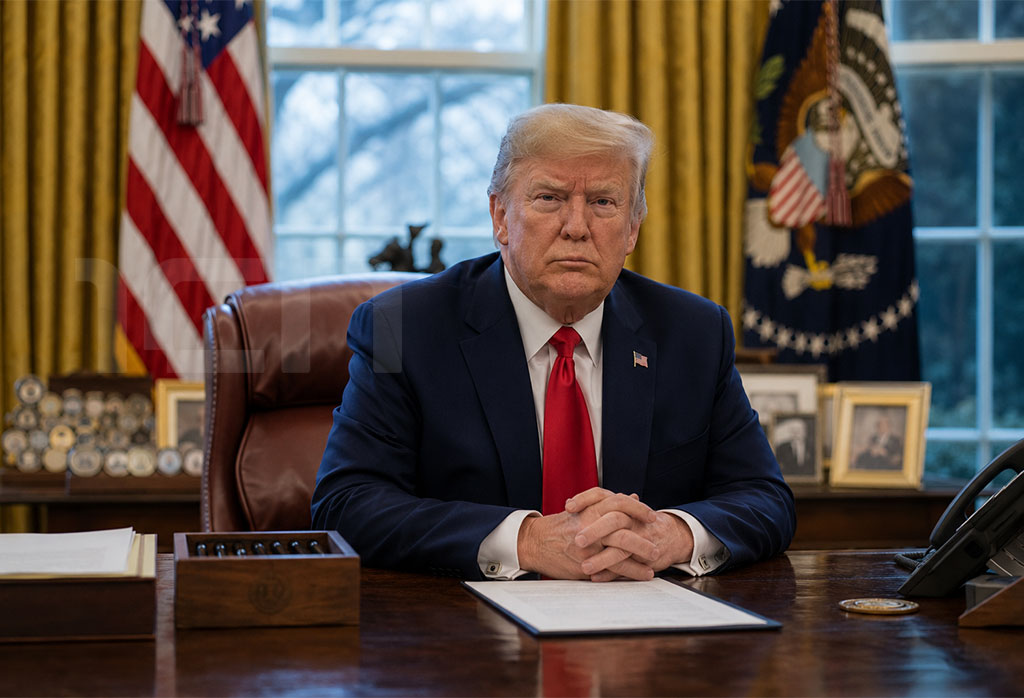



Trump’s executive order on AI models now asks companies to share powerful systems early. The president signed the directive on Tuesday after weeks of delay and quiet debate. Federal agencies will review the most advanced AI models before developers release them publicly. You should understand why this shift matters for security, markets, and everyday digital safety. The government wants a 30-day head start to weigh AI cybersecurity risks before launch. Officials believe early access helps them protect critical infrastructure from new and serious threats. Companies share these systems voluntarily, because the order avoids any mandatory licensing requirement here. A White House spokesperson called it a common-sense approach balancing innovation with strong security. The plan keeps America ahead in both AI development and global cybersecurity leadership efforts.
Why did Trump delay the first signing
Washington watched the tense delay unfold earlier in May before the planned signing ceremony. Trump pulled the first version because he worried it would block American AI progress. He told reporters he disliked certain parts and feared real harm to national competitiveness. An earlier draft from May proposed a longer 90-day review window for new models. Industry sources told CNN many firms preferred a shorter window, given rapid AI development. A Monday meeting with top advisers and cabinet officials pushed the final version forward.
Trump’s executive order on AI models answers Mythos fears
The Trump administration kept a light touch on AI rules until one model changed everything. Anthropic Mythos can exploit cybersecurity weaknesses at a pace many experts find deeply alarming. The model spooked both government officials and Wall Street over their serious security concerns. Anthropic said last week that the system will reach all customers within the coming few weeks. Experts warn that advanced AI models can supercharge cyberattacks against banks, hospitals, and power grids. Early government AI testing helps defenders prepare before bad actors deploy these tools widely.
What government AI testing means for you
The order links AI national security to stronger cyber defense across federal agencies and partners. Officials plan a new cybersecurity clearinghouse to share software flaws and matching protective fixes. Microsoft President Brad Smith publicly called the order an important step for public protection. We welcome this effort by the Administration, Smith said in a short public statement. The Pentagon earlier blacklisted Anthropic and labeled the company a serious supply chain risk. Both sides clashed over model guardrails placed on classified military systems and access limits.
From my standpoint, this order shows how fast AI policy now shapes security choices. You feel these decisions through your bank, your hospital, and your daily online services. Investors watch closely because the rules around advanced AI models affect overall market confidence. The voluntary design keeps developers free while giving the government a clearer early warning. Some critics warn that early access might delay launches or raise fresh privacy questions for users. Trump’s executive order on AI models now tests how industry and Washington share responsibility. The Trump executive order on AI models reflects a wider push for safer rollouts. You should watch the next steps as agencies build these new testing systems carefully. The Trump executive order on AI models will shape security, trust, and growth for years.