


UAE Tourist Identity now gives every visitor instant access to the UAE banking system. The Central Bank of the UAE, known as CBUAE, launched this service alongside two key government partners. The Federal Authority for Identity, Citizenship, Customs and Port Security, called ICP, joined the effort. Abu Dhabi Commercial Bank, known as ADCB, completed the three-way partnership behind this rollout. Together, these bodies created a fully digital path for non-residents entering the country.
Before this initiative, visitors faced a document-heavy process to open any UAE bank account. Long forms, branch visits, and paper verification slowed down access for millions of annual tourists. The new system removes those barriers by replacing paperwork with a verified digital identity. ICP issues the Tourist Identity to each visitor upon arrival using facial recognition technology. That identity connects directly to ADCB mobile banking through a fast and secure mobile app.
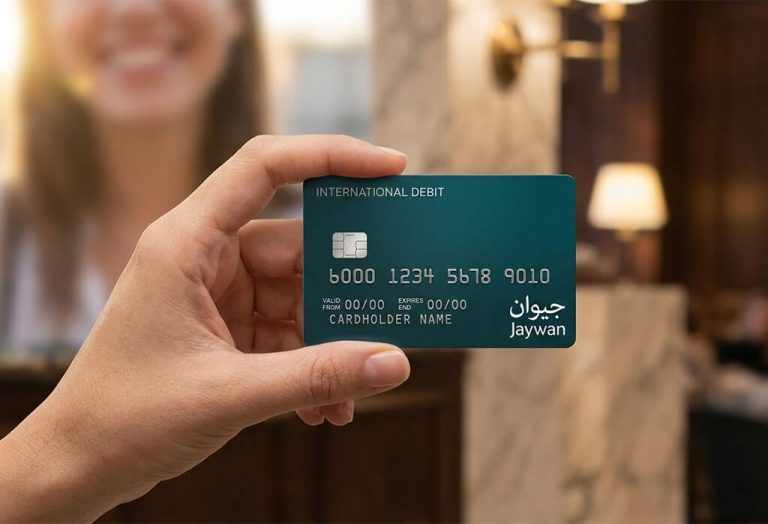
You can now open a full bank account in minutes without visiting any physical branch. The process relies on the UAEKYC biometric verification framework built by ICP for secure checks. Artificial intelligence algorithms power the identity confirmation at every step of onboarding. Once your identity is cleared, ADCB mobile banking grants you an instant digital debit card. You can begin spending, transferring, and receiving money before you leave the airport.
UAE Tourist Identity Reshapes How Visitors Access Digital Payments
UAE digital payments infrastructure now reaches tourists from the very moment they land. The initiative connects new accounts to Jaywan, the national card scheme operating across the country. It also links visitors to Aani, the UAE instant payment platform used for real-time transfers. Saif Humaid Al Dhaheri, Assistant Governor for Banking Operations and Support Services at CBUAE, said the initiative delivers “an integrated and secure banking experience for visitors from the moment they arrive in the UAE.” That access gives tourists full participation in a cashless economy designed for speed and safety.
UAE financial inclusion has long been a national policy goal for government and regulators alike. Extending that inclusion to non-residents marks a clear shift in how the UAE defines financial access. As I see it, this move sets a regional benchmark that other Gulf states will watch closely. Visitors from any country now enter a financial system built for them, not just residents. That shift carries weight for both the tourism economy and the country’s global financial reputation.
Major General Suhail Juma Al Khaili, Acting Director General of Citizenship at ICP, said the Virtual Tourist Identity system enables sectors to deliver services to visitors “with ease and security, without the need to present or exchange traditional documents.” His statement reflects how deeply the biometric verification of the UAE infrastructure has matured in recent years.
ANOTHER MUST-READ ON ICN.LIVE: Google Invests in Anthropic AI With Up to $40 Billion in New Deal
UAE Tourist Identity Signals a Broader Digital Transformation Push
The initiative aligns with clear directives from the UAE leadership to build a digital payments society. Officials want to reduce cash use across retail, hospitality, travel, and service sectors nationwide. Stronger consumer protection frameworks also form a core part of this financial modernisation effort. ADCB Group CEO Ala’a Eraiqat said the bank’s role “supports innovation in banking while aligning financial services with the UAE’s growing tourism economy.” His words confirm that private sector commitment runs as deep as government policy behind this programme.
For you as a traveller, the practical benefits arrive immediately upon landing in the UAE. No queues at currency exchange counters and no need to carry large amounts of physical cash. Your verified digital identity becomes your financial passport for the entire duration of your stay. The system also strengthens security by tying every account to a confirmed biometric profile upon entry. That layer of protection benefits both visitors and the financial institutions serving them.
UAE Tourist Identity now positions the country as a global reference point for visitor banking access. The UAE digital payments ecosystem gains millions of potential new users through this single initiative. With 2026 tourism targets driving policy, the government needs every visitor touchpoint to perform efficiently. Digital bank account tourists can now experience the UAE’s financial system without friction or delay. The UAEKYC framework gives that experience a secure and scalable foundation for years ahead.
UAE financial inclusion no longer stops at the border. This programme proves that a government, a regulator, and a commercial bank can align quickly around a shared national goal. Other financial hubs will study this model as they compete for the same global travellers. The UAE has placed a clear marker on the future of visitor banking, and the world is watching.