icnlive

ICN.live

Khaled Darwish

  • OpenAI files for IPO through a confidential filing, opening the door to a public market debut.
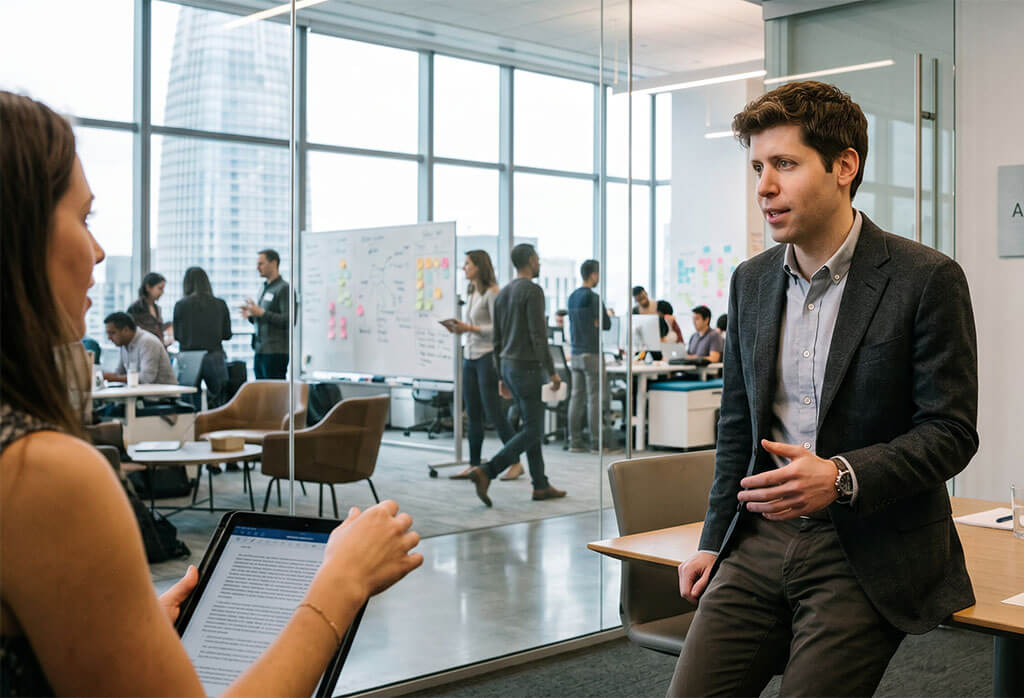
  • Sam Altman keeps the timing open, telling staff a listing might wait for better conditions.
  • The OpenAI valuation of nearly 852 billion dollars faces fresh scrutiny once financials reach public view.
  • Investors weigh OpenAI stock against heavy losses, strong rivals, and huge spending on computing power.

OpenAI files for IPO, a step toward one of the biggest market debuts ever seen. The company submitted a confidential draft registration statement to federal securities regulators this month. This move sets up a possible payday for early backers and longtime staff members. Sam Altman announced the filing himself in a blog post, expecting the news to leak. He told the public a listing might wait because some plans suit a private firm. For everyday investors, this raises one clear question about access to OpenAI stock today. You cannot buy shares yet because the company remains private during this filing stage. A confidential filing lets large firms share detailed numbers with regulators in private first. Markets will see the full picture later, once the company files its public prospectus.

Why OpenAI files for IPO at this moment

The timing reflects a wider rush among artificial intelligence firms toward public markets now. Anthropic, a chief rival, filed its own paperwork about one week before this announcement. SpaceX also plans an early debut, which adds pressure across the whole sector right now. Together, these listings might total hundreds of billions of dollars in fresh share sales. These three debuts will test whether public buyers still want big, money-losing AI names. Reporters rank the OpenAI IPO among the largest possible debuts in stock market history. When OpenAI files for IPO, early staff and backers see a clear path to cash. Money is the core reason behind this decision by the company and its leaders.

The cash behind the OpenAI valuation

OpenAI pours billions into computing power, data centers, and the chips used for training. Public markets offer a deep pool of cash to fund this heavy ongoing spending. The last private funding round valued the firm at 852 billion dollars in March. This OpenAI valuation now faces real scrutiny once true numbers reach the wider public. Investors learned the firm spends about 2.20 dollars for every single dollar it earns. Critics ask whether such spending fits a clear path to steady future profit margins. Sam Altman knows the public will study these losses closely after the eventual listing. He said the timing might shift because a private structure suits certain near-term goals. Chief executive Sam Altman framed the filing as added flexibility for the whole firm. He noted the filing “gives us the option to go public sooner” if needed.

What the OpenAI confidential S-1 filing means for you

The OpenAI confidential S-1 filing lets the firm gauge interest without full public exposure. You should watch for the public prospectus, since it reveals revenue, margins, and real risks. Strong revenue growth still gives the firm a real case for a high price. Competition keeps rising as Google, Anthropic, and others push hard for the same users. The firm also handles lawsuits and broad public unease about fast-moving AI products today. As I see it, the public listing will force a sharper focus on real profits. The fact that OpenAI files for IPO signals a new chapter for the whole AI sector. You hold no way to buy shares now, so patience matters during this waiting period. The day OpenAI files for IPO will reshape choices for many retail investors everywhere.

TAGS

EXPLORE MORE ON:

OpenAI files for IPO
UK social media ban for under-16s

UK social media ban for under-16s will reshape how young people use the internet. Prime Minister Keir Starmer announced the plan on Monday from Downing Street in London. The rules take effect early next year and target several popular apps at once. Snapchat, TikTok, YouTube, Instagram, Facebook, and X will all fall under the new restrictions. Messaging tools like WhatsApp and Signal stay open, along with the separate YouTube Kids service.

Why Starmer wants firm new limits

You might wonder why the government picked the age of 16 as its line. Officials point to rising worries about harmful content and long hours spent scrolling each day. The prime minister, a father of two teenagers, framed the problem in personal terms. He said, “Social media is making children unhappy,” and pledged firm national action soon. Many families told him they want change, and he promised to support them now. Over the weekend, the government launched a 132.5 million activities fund for children. The Every Child Can program pays for sport, art, and nature across local communities.

What the UK social media ban for under-16s covers

Technology companies, not children or parents, will face the penalties under the British plan. Firms risk multimillion-dollar fines if they fail to keep young users off their platforms. Britain models the UK social media ban for under-16s on Australia’s pioneering 2025 law. The under-16 social media ban there began in December and still meets weak enforcement. Australian regulators found that seven in ten parents whose child kept a restricted account anyway. Britain plans stronger steps and will go further than Australia’s earlier model, Starmer said. Officials also want to stop strangers from contacting children on gaming and livestreaming services.

The clash between safety and access

You will soon hear a sharp debate about whether a blanket rule can truly work. YouTube and Meta both warned that the plan might push children toward riskier online spaces. A YouTube spokesperson warned that the bans push children toward “anonymous, less-safe services” online instead. Meta, the parent firm behind Facebook and Instagram, raised the same concern about controls. Starmer admitted some teens will try to dodge the rules, yet stood by his goal. He compared the plan to alcohol laws, which limit sales even when teens still drink. Critics question whether a wide ban can work without strong age checks behind it.

Supporters welcome the move and praise the prime minister for acting on parents’ fears. The UK social media ban for under-16s gives technology firms clear duties to verify ages. Online interest in the TikTok YouTube ban in the UK rose sharply right after Monday’s announcement. The plan forms part of a much wider push for online safety for children. Several other nations now study age-based social media restrictions to limit young user exposure. Australia, Canada, Brazil, and Indonesia have already passed or proposed similar rules for minors.

The Keir Starmer social media ban will likely shape policy across Europe and beyond. From my standpoint, this dual goal of safety and access will test real enforcement. Supporters say the UK social media ban for under-16s protects health, focus, and sleep. Parliament still needs to pass the measure before the rules apply across the country. You will see the outcome shape how British children spend time online next year.

SpaceX IPO record

SpaceX’s IPO became the largest stock market debut in history after raising a record sum. The rocket and AI company brought in $85.7bn once the banks finished the full sale. Elon Musk first told staff the firm planned to fund a significant growth phase. Strong investor demand pushed the underwriters to add billions more through one special clause. The SpaceX IPO quickly drew strong attention from buyers across the entire global market. Public investors first put in $75bn before the extra shares lifted the final total. Banks backing the deal used a greenshoe option, a tool built for strong demand.

Goldman Sachs, Bank of America, and JPMorgan exercised the option in its full amount. They bought an additional 83.3 million shares directly from the company to meet interest. This mechanism helps prevent wild price swings and keeps the early trading process calmer. Heavy buyer appetite during the sale made the full greenshoe purchase an easy decision.

SpaceX IPO breaks every previous record

The SpaceX stock price opened near $150 and closed around $161 on day one. Shares first reached public investors at $135, valuing the entire company at about $1.8tn. Momentum continued strongly into Monday as the shares climbed past $190 during active trading. The SpaceX Nasdaq SPCX debut also drew record orders from everyday retail investors nationwide. Retail buyers ordered shares at a pace far above the level seen in normal listings. Vanda Research noted SpaceX shares ranked as the most bought stock by retail buyers. Such heavy interest gave the firm cover to release more shares without harming prices.

Market gains during the debut turned Elon Musk into the world’s first trillionaire founder. The Elon Musk trillionaire status rests on his shares because his wealth sits inside SpaceX. A sharp drop in price would strip the title as fast as gains created it. From my standpoint, this heavy dependence ties one man’s fortune to daily market movement.

Why the SpaceX valuation worries some analysts

Analysts warn that the high SpaceX valuation leaves the company little room for any mistakes. The firm still loses money, posting a net loss of about $4.3bn last quarter. Rising competition and tighter regulation now test whether the firm can maintain its growth. Musk holds roughly 85% of the voting power, keeping firm control over the business.

What the SpaceX IPO means for you

Company president Gwynne Shotwell celebrated the moment with a direct message to long-term staff. She said, “Today, we make history again,” while speaking at the Times Square ceremony. Musk also told the crowd the firm plans to expand rockets, satellites, and AI work. You should watch how the SpaceX stock price moves before choosing any future position. Volatility often follows a debut this size, so early prices rarely stay fixed for long. The SpaceX IPO now funds plans for rockets, satellites, and new AI compute systems. Your own view should weigh both the record demand and the clear financial risk. The SpaceX IPO now stands as a turning point for public markets and space firms.

Share this post

on your favourite social platforms

or copy the link