


icnlive

WATCH LIVE. THINK BUSINESS.

© 2026 ICN.LIVE

The Lamborghini Revuelto SV launched Friday as a limited-edition hybrid version of the automaker’s V12 flagship, and the company is calling it

Trending Sports

Mexico City's challenges as FIFA World Cup host

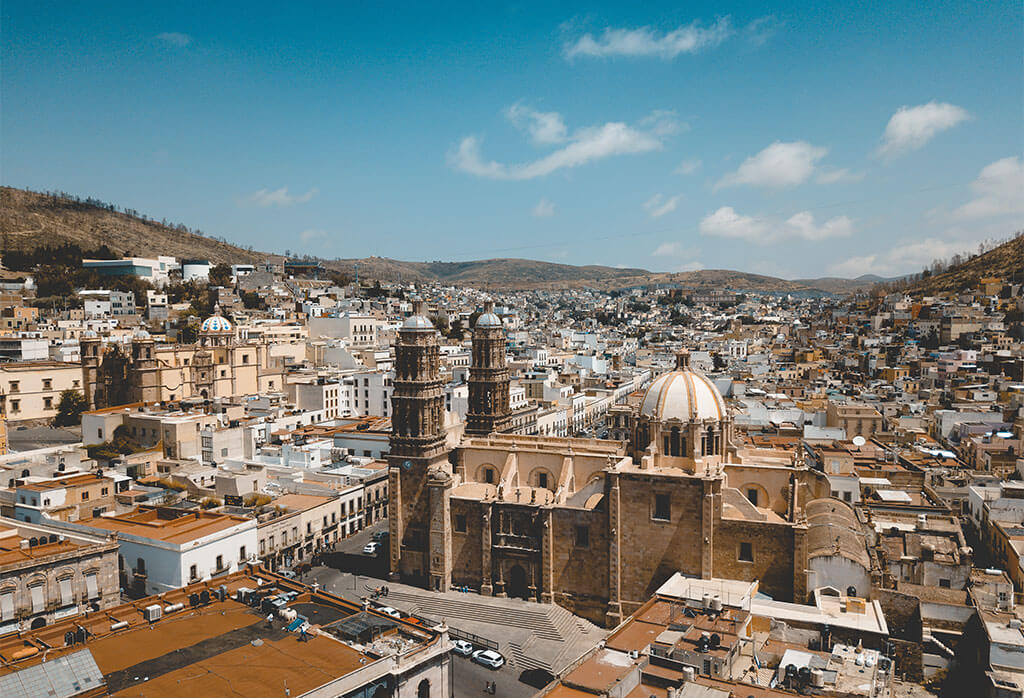
Mexico City’s challenges as FIFA World Cup host reach far beyond the football pitch. The city opens the FIFA World Cup 2026 tournament on June 11 against South Africa. Fans will fill the historic Estadio Azteca for this record third opening match here. Yet the ground beneath this giant metropolis keeps dropping at an alarming yearly rate. New NASA satellite data show the Mexico City sinking problem is now moving faster than before.

The metropolis rose on the ruins of the Aztec capital, named Tenochtitlan centuries ago. Spanish conquerors drained the five connected lakes and replaced the water with soft clay. Today, crews pump huge volumes of groundwater to supply more than 22 million people. This constant pumping compacts the clay layers and causes severe and permanent land subsidence. Central districts lose 10 to 25 centimeters yearly, while eastern zones lose nearly 50.

You can see this effect best along the famous Paseo de la Reforma boulevard. There stands El Ángel de la Independencia, a stone monument erected in 1910. Engineers drove hundreds of steel and concrete piles 30 to 40 meters into bedrock. The angel still holds firm while the streets and shops around it sink lower. At the 1910 opening, visitors climbed only nine steps to reach the monument base. Today, you must climb 24 steps because the ground sank around the fixed structure.

Why the Estadio Azteca survives the slow collapse

The mighty Estadio Azteca raises a big question for every worried fan and engineer. How does this giant arena in Santa Úrsula avoid the grim fate around it? Builders placed the stadium on a former lava bed from the Xitle volcano eruption. This rocky base stays firm while the marshy area east of the city keeps sinking. For this reason, the venue stays immune to the collapse troubling the wider metropolis. Mexico City’s challenges as FIFA World Cup host include unstable ground across the central districts.

Mexico City’s challenges as the FIFA World Cup host for over a century

Geologists studying the valley predict a slow disaster rather than a sudden, dramatic fall. Enrique Cabral-Cano, a geophysicist tracking the valley, stresses the record-breaking speed of the sinking. He said, “We have one of the fastest velocities of land subsidence in the whole world.” The clay layers below the streets need about 150 more years to compact fully. Eastern and southern districts will drop another 20 to 30 meters during this slow period. Mexico City sinking at this pace threatens pipes, roads, and the metro for decades.

What can slow the steady sinking

City planners now push a bold shift toward the so-called sponge city design model. Crews install large rooftop systems to capture rainwater during the wet season each year. These systems reduce groundwater pumping and let the tired aquifer slowly recover its strength. Founder Enrique Lomnitz of the rainwater group, Isla Urbana, warns that the reservoirs sit empty. Modern buildings use floating box foundations, yet they only slow the Mexico City sinking.

Mexico City’s challenges as FIFA World Cup host now sit beside a deeper survival question. Visitors arriving for the Mexico City World Cup opening match will sense a proud city. Below the cheering stands, though, the ground keeps shifting beneath homes and old roads. As I see it, the city must treat water reform as its real long-term victory. Mexico City’s challenges as FIFA World Cup host will outlast the final whistle this summer.

Messi fitness race for Argentina

Messi’s fitness race for Argentina grows tighter as the captain skips key warm-up minutes. Lionel Messi missed Saturday evening’s friendly against Honduras at Texas A&M’s Kyle Field. He joined pre-match warm-ups but stayed off the pitch through Argentina’s 2-0 result. His 39th birthday arrives within three weeks, while muscle fatigue affects the left hamstring. Argentina officials said his return date depends on physical recovery and weekly fitness progress. For you, the reader, this update matters because the captain shapes how Argentina performs.

The Lionel Messi hamstring injury first surfaced during an Inter Miami match against Philadelphia Union. He left the field late in the game, around the 73rd minute, with discomfort. Medical tests later confirmed muscle fatigue and overload along the left hamstring, doctors noted. This Messi Inter Miami fitness update prompted Argentina staff to place him on an individual program. He now trains apart from the main group in Kansas City under careful daily supervision. Coaches monitor his workload, recovery sessions, and gradual return to full team movement drills. Argentina World Cup 2026 squad members trained openly while their captain watched and rested. From my standpoint, the careful pace reflects sensible planning rather than serious team panic.

Lionel Messi’s hamstring injury reshapes Argentina plans

The Messi vs Honduras friendly gave the staff time to test fresh attacking options. Argentina next plays Iceland in Auburn, Alabama, on Tuesday in a final pre-tournament tune-up. After Iceland, the group will return to training in Kansas City for final preparations. The Argentina World Cup title defence officially begins against Algeria on June 16 this year. You can see why Messi’s fitness race for Argentina dominates every pre-tournament headline. He holds the record for most World Cup games played, with 26 appearances overall. Four more tournament goals would let him pass Miroslav Klose’s mark of 16 strikes.

Many people expect the captain to retire from international football after this summer’s tournament. Inter Miami had earlier flagged the strain after the Philadelphia game ended in confusion. The club described physical discomfort and asked for further medical checks the following day. Argentine officials want the captain to rejoin full team training only when fully ready. For fans, the Messi fitness race for Argentina offers daily intrigue, not short-term game anxiety. The captain still works in the gym daily to maintain core strength and conditioning. His individual sessions focus on light running, mobility drills, and gradual hamstring activation work. You will see his real test once he joins teammates for full-contact sessions.

Messi’s fitness race for Argentina shapes coach decisions

The Messi fitness race for Argentina shapes how Lionel Scaloni plans his attacking lineup. Coaching staff keeps options open with players like Julian Alvarez and Lautaro Martinez ready. Each session reveals more about how the captain handles intensity, distance, and quick sprints. You should expect daily updates as the staff judges his sharpness against match demands. The wider Argentina World Cup 2026 squad continues with full intensity in every drill. Soon, the next few days will reveal whether the captain joins teammates against Iceland. Match sharpness matters because the Algeria opener will demand quick decisions and steady movement. You should follow daily fitness reports because they shape betting markets and lineup speculation.

Formula 1 Grand Prix de Monaco 2026

The Formula 1 Grand Prix de Monaco returns this Sunday as organisers confirm full event preparations. The International Automobile Federation said all systems stand ready for the Monte Carlo F1 race. Drivers and teams will hit the famous streets of Monte Carlo from Friday through Sunday. This weekend opens the first European round of the FIA Formula One World Championship season. Monaco keeps its place as a true jewel inside global motorsport every single year.

You can expect tight corners, narrow barriers, and almost no room for driver mistakes. The circuit punishes any small error, so qualifying often decides the final race result. Racing fans rate this event among the most demanding stops on the entire calendar.

FIA President Mohammed ben Sulayem shared his pride in the meaning behind this famous race. He called the event one of the great jewels found across world motorsport today. Ben Sulayem said the race “represents heritage, excellence, precision, and passion” for fans around the world. His words point to the deep history shaping every Monaco weekend on the track. Organisers, marshals, and volunteers work long hours to keep each session safe and smooth. Their effort makes the Monaco Grand Prix 2026 a true team success behind the scenes.

Formula 1 Grand Prix de Monaco enters a fresh era

This season brings fresh technical rules to every team on the full starting grid. Engineers redesigned cars to match the latest power unit and aerodynamic standards this year. You will see how these changes affect speed, balance, and racing across the Circuit de Monaco. The Circuit de Monaco measures around 3.3 kilometres with many tight turns and steep climbs. Walls sit close to the racing line, leaving drivers almost no margin for error. Cars complete 78 laps on Sunday across a total race distance of nearly 260 kilometres.

Local crews finished track checks, barrier setups, and safety reviews ahead of opening practice. Race control will watch the weather closely because light showers might reach the coast. Engineers study radar maps hour by hour to choose the safest possible tyre plan. Teams plan tyre choices around grip levels, track heat, and any sudden rain risk.

The Monte Carlo Weekend

From my standpoint, this opening European round will test driver patience more than raw pace. Fans in Monte Carlo line the harbour, hills, and balconies to watch every lap. Broadcast crews carry this famous race to many millions of homes around the globe. Viewers across the globe follow timing screens, team radio, and live pit lane action. The Formula 1 Grand Prix de Monaco rewards bravery, focus, and clean racing under pressure. Drivers must trust the barriers, the rhythm, and their own hands at high speed. One small lock-up can quickly end a strong weekend inside a single painful moment. Mohammed ben Sulayem said every weekend depends on officials, marshals, teams, and loyal partners.

His message reminds you how many skilled people stand behind one short racing weekend. The Formula 1 Grand Prix de Monaco now sits ready for another classic Sunday battle. You should expect drama, tension, and tight margins from the opening lap to the finish.