

icnlive

ICN.live

Rami Al-Saadi

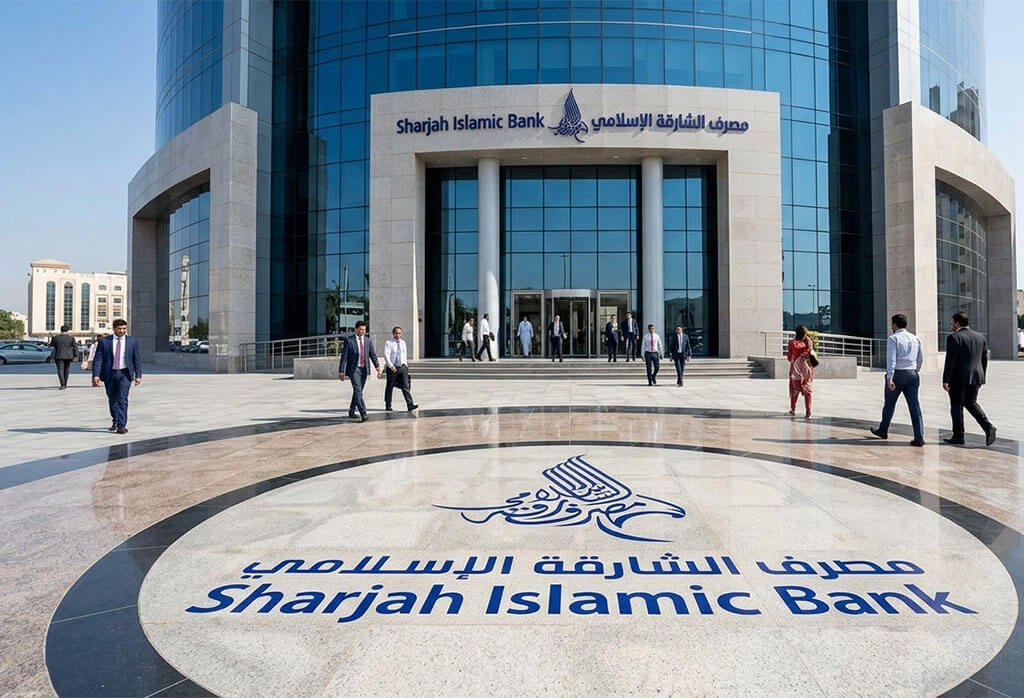
  • Sharjah Islamic Bank’s net profit rose 15.3 percent to AED803.9 million in the first half of 2026.
  • Total operating income climbed 20.5 percent to AED1.4 billion across financing and banking services.
  • The Islamic financing portfolio grew 9.5 percent, while customer deposits growth reached 6.6 percent.
  • Return on equity improved to 14.81 percent, supported by an AED2.6 billion capital increase.

Sharjah Islamic Bank H1 2026 results showed net profit after tax reaching AED803.9 million. The lender lifted earnings 15.3 percent from AED697.2 million during the same period last year. Balanced growth across core business lines drove this result, alongside a strengthened capital base. You can see the strength in both income diversification and improved operating efficiency this half.

Income from Islamic financing and sukuk rose 12.1 percent to about AED2.1 billion this half. The increase equals AED227.6 million more than the AED1.9 billion posted one year earlier. Net fee and commission income grew 8.1 percent to AED445.7 million over the year. Total operating income reached AED1.4 billion, a rise of 20.5 percent from last year. Sharjah Islamic Bank net profit gains rested on wider income streams and lower relative costs.

Profit efficiency improves while the bank keeps investing

General and administrative expenses rose 17.2 percent to AED475.2 million during the first half. The bank spent more on people, technology, and stronger operational systems across this period. Net operating income before provisions and tax grew 22.3 percent to reach AED925.8 million. SIB net profit after tax rose while the bank kept investing in future growth. Impairment provisions for financial assets stood at AED79.2 million by the end of June. Recoveries reached AED37.9 million during the same six-month period across the financing portfolio here. The non-performing financing ratio improved to 3.6 percent, down from 3.8 percent last year. Provision coverage held firm at 107 percent, close to the 109 percent recorded earlier. These indicators point to a prudent credit policy and careful risk management across the book.

Balance sheet expands as customer deposits growth continues

Total assets increased to AED94.5 billion by the end of the first half period. The figure grew 4.7 percent from AED90.3 billion recorded at the close of 2025. Growth came mainly from the Islamic financing portfolio, which reached AED49.9 billion this half. The portfolio climbed 9.5 percent from AED45.6 billion posted at the end of 2025. Customer deposits growth reached 6.6 percent, lifting total balances to AED59.4 billion this half. The financing-to-deposits ratio rose to 84 percent, up from 82 percent one year earlier. Liquid assets stood at AED19.8 billion, close to 20.9 percent of total assets overall. Shareholders’ equity rose by AED2.6 billion after the bank completed its capital increase this year. The bank issued 1.1 billion new shares at AED1 each, plus a share premium. Investors added a premium of AED1.4 per share during the bank’s successful capital raise. These Sharjah Islamic Bank H1 2026 results also show a firmer capital base overall.

Sharjah Islamic Bank H1 2026 results lift shareholder returns

Return on equity improved to 14.81 percent from 14.78 percent during the prior year. The lender pushed return on assets to 1.74 percent from 1.55 percent last year. In its official results statement, Sharjah Islamic Bank tied these gains to disciplined risk management. The bank said results reflected “balanced growth across its core business activities” this half. From my reading, these numbers point to steady, well-managed expansion rather than one-off gains. Sharjah Islamic Bank H1 2026 results confirm strong momentum heading into the second half. You should watch deposits, financing demand, and margins closely as the year moves forward.

TAGS

EXPLORE MORE ON:

Trump Ends Hormuz Fee Threat

Trump ends Hormuz fee threat after Gulf leaders promised large investments in the United States. The president dropped his plan for a Strait of Hormuz shipping fee within one day. He first wanted every ship in the waterway to pay a twenty percent transit charge. Now new trade and investment deals with Gulf states will replace the lost money instead.

The US-Iran blockade returned hours after the announcement, squeezing Iran’s struggling economy even further. US Central Command said its forces launched another heavy round of strikes against Iranian targets. Iran said it hit US military sites in Bahrain and Jordan during the recent fighting. State media in Tehran reported blasts across several cities, including the port city of Bushehr. Reports of how Trump ends Hormuz fee threat plans spread fast among worried global oil traders.

The US-Iran conflict has slowed tanker traffic through the narrow waterway to a trickle. Brent crude oil prices rose sharply as nervous ship owners avoided the risky passage this week. Shipping data shows traffic has fallen to its lowest point in two full calendar months. Around a quarter of the world’s oil once moved through this single busy trade route.

How the blockade hits Iran and oil markets

Trump told reporters he dislikes the fee idea but wants fair payment for naval protection. He said Gulf leaders called him many times before he changed the earlier fee plan. The president called the coming Gulf investments massive and good for both sides over time. Even as Trump ends Hormuz fee threat charges, the strict naval blockade stays fully active.

Iran rejected the move and said it still controls the Strait of Hormuz on its own. Deputy Foreign Minister Kazem Gharibabadi said the blockade broke an earlier agreed truce deal. Washington first blocked all Iranian ports back in April to pressure Tehran into serious talks. The military later redirected one hundred commercial vessels and disabled four during the first blockade.

What the strait fight now means for you

Both countries lifted the blockade in June under a memorandum meant to end the fighting. A dispute over the strait then broke the fragile peace between the two rival governments. Rory Johnston, an oil market analyst, said traffic through Hormuz is grinding to a halt. Markets welcomed the way Trump ended the Hormuz fee threat costs for global shipping firms today.

From my standpoint, this dual approach weakens trust across an already fragile regional peace process. For you, these events matter because oil prices shape fuel costs across the whole world. Israeli Prime Minister Benjamin Netanyahu warned his response would grow stronger after any first attack. He told Iranian leaders not to expect quiet if they strike his country first again. The standoff over the strait keeps global markets and shipping firms on edge right now.

Sharjah Islamic Bank H1 2026 results
The Secret Ways To Sell ANYTHING

Joanna Wiebe, a creator with over 20 years in the creative field, explains that the brain doesn’t adopt entirely new ideas, but new versions of ideas it already holds.

Share this post

on your favourite social platforms

or copy the link