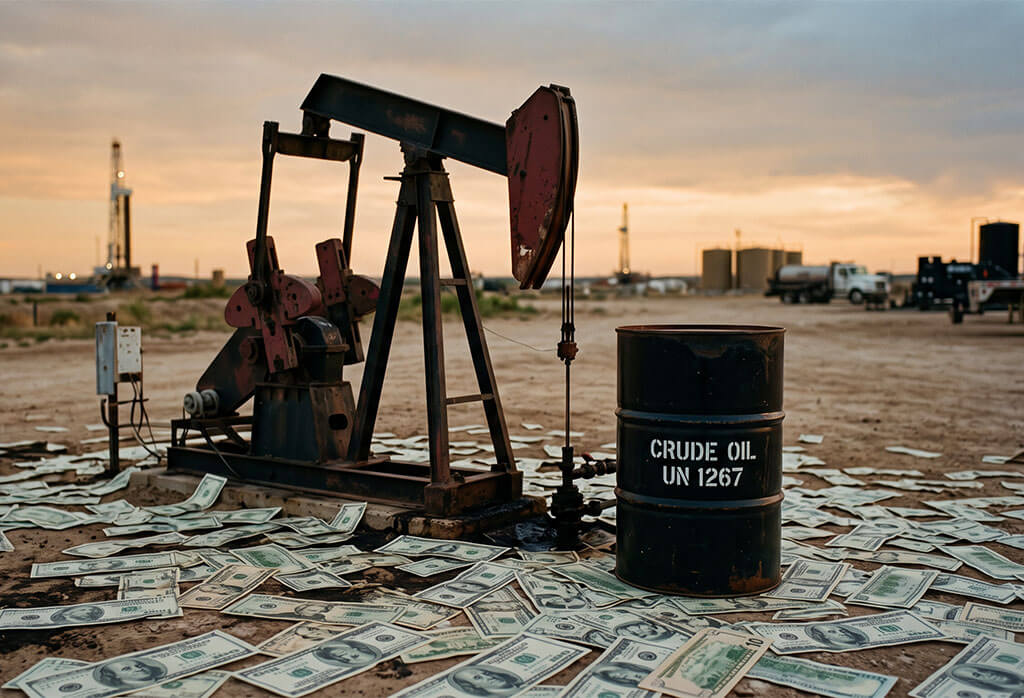



Saudi Arabia eyes petrodollar alternative routes now. It has not broken from the dollar in public. Riyadh is building a second option instead. That option runs through Beijing. Riyadh is quietly testing whether the option holds up.
Inside the Original Petrodollar System
Henry Kissinger flew to Riyadh in June 1974. He carried a proposal that reshaped global finance. Saudi Arabia agreed to price its oil in dollars. It pushed other OPEC members to do the same. Saudi oil money then flowed into US Treasury bonds and US weapons. Washington promised to protect the kingdom in return. This deal became known as the petrodollar system. It forced oil-importing countries to hold dollars. Oil ran the world. Dollars became the toll for using it.
Researchers at the Arab Center Washington, D.C. found a detail most viral posts skip. The 1974 paperwork set up a joint economic commission. It was not one single oil contract. That commission fell apart by the early 1990s. What survived was a habit, not a signed treaty. Oil kept pricing in dollars because markets stuck with it.
Why Saudi Arabia Eyes Petrodollar Alternative Routes Through mBridge
Saudi Arabia’s central bank joined Project mBridge in June 2024. Project mBridge lets banks settle payments using digital currencies. China, the UAE, Hong Kong and Thailand built the system together. It skips SWIFT, and it skips the dollar too. This is an unusual move for the country that built the dollar’s oil advantage. Saudi Arabia eyes petrodollar alternative tools years before it might ever need them.
China gives Riyadh a clear reason to hedge. S&P Global research names China as Saudi Arabia’s top oil buyer. Chinese officials have pushed for yuan payment on that oil for years. President Xi Jinping raised the idea directly with Gulf leaders in Riyadh. He wants Gulf crude sold through the Shanghai Petroleum and National Gas Exchange, priced in yuan rather than dollars. Bandar Al-Khorayef, Saudi minister of industry and mineral resources, spoke to the South China Morning Post. He said Saudi Arabia “will always try new things, and is open to new ideas.” The minister added that the petroyuan is not central to his ministry’s plans, though he does not rule the currency out.
Saudi Arabia and BRICS: Keeping Every Door Open
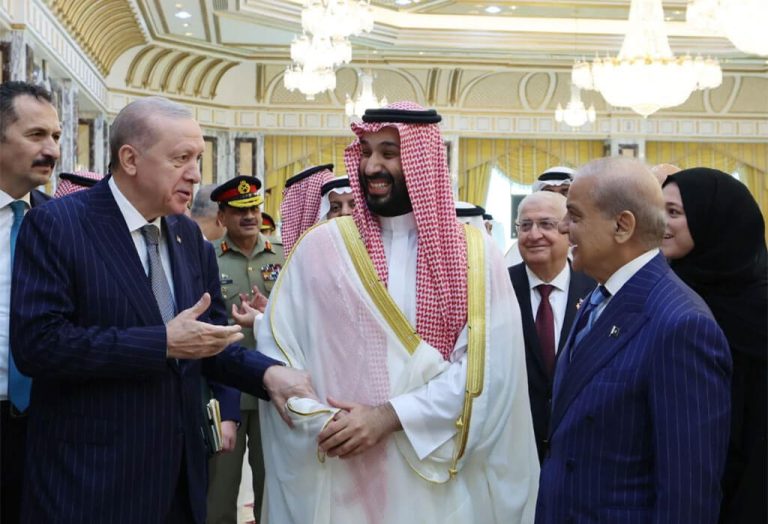
BRICS invited Saudi Arabia to join the bloc in 2023. The group wants less reliance on the dollar worldwide. Riyadh has not said yes to full membership. It has not said no either. Carnegie Endowment researchers call this a deliberate hedge. Crown Prince Mohammed bin Salman skipped the 2024 BRICS summit. He sent a foreign minister in his place instead. That signaled Riyadh was not ready to pick a side. The Saudi Arabia-BRICS relationship remains unresolved three years after the invitation.
This pattern fits everything else the kingdom is doing. Saudi Arabia eyes petrodollar alternative paths like mBridge and yuan deals mainly as insurance, not as a plan to dump the dollar outright. Washington reportedly asked Saudi Arabia to stay out of BRICS. Riyadh joined mBridge anyway. This is not de-dollarization in any dramatic sense. Nobody has called a press conference. No papers got signed. The dollar has not seen a clean break. It looks more like a country building a second set of pipes while keeping the first set running. Arab Center Washington DC puts dollar oil settlement near 80 percent today. That figure sat near 95 percent two decades ago. The trend has not reversed once in that stretch.
I have covered enough currency stories to know how these shifts move. They do not announce themselves. Instead, they build up slowly, one central bank membership, one skipped summit, one yuan pricing talk at a time. Saudi Arabia eyes petrodollar alternative options because one currency system now carries real risk. Riyadh values open options over loyalty to a single arrangement. The dollar is not disappearing soon. But the kingdom that anchored it in place is no longer standing still.