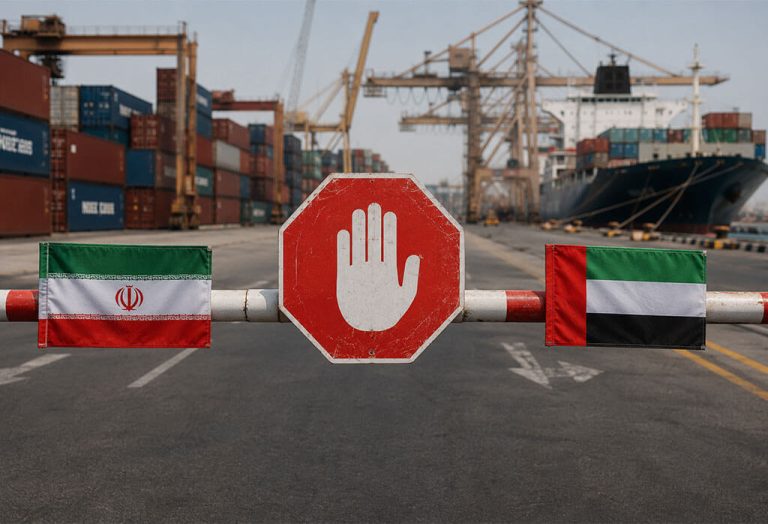



Iran-US ceasefire accusations now dominate headlines as both governments blame each other for fresh violence. Tehran said on Saturday it struck American sites across the Persian Gulf in response. Washington had earlier hit Iranian weapons sites on Friday, raising the stakes for everyone. American aircraft targeted missile storage and coastal radar posts during the Friday operation near Iran. Those strikes answered an Iranian drone attack on a Singapore-flagged container ship last Thursday. The vessel crossed the Strait of Hormuz when the drone struck its upper deck. No crew members suffered injuries, and the ship kept moving along the Omani coast. US officials called the attack an unwarranted strike against free movement through the waterway.
Pressure builds over the Strait of Hormuz attack
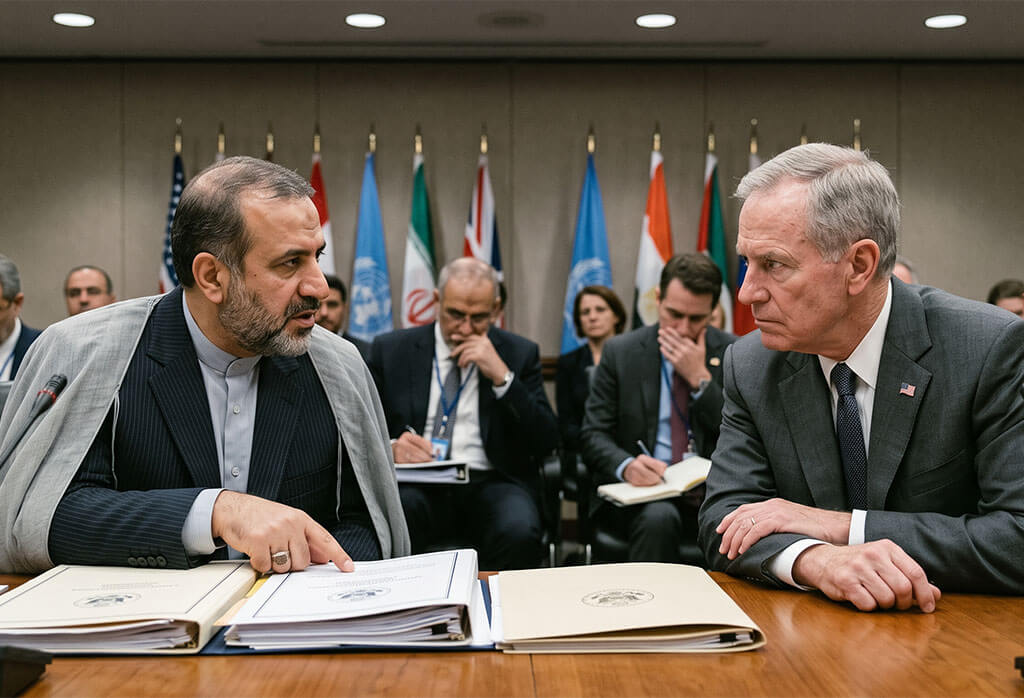
Iran’s foreign ministry called the US action a clear breach of the signed memorandum. You should know that the memorandum of understanding that Iran signed aimed to ease maritime tension. The deal promised open shipping lanes and fresh nuclear talks in exchange for sanctions relief. Iran’s Revolutionary Guard claimed it hit US positions, yet it offered no firm evidence. Past Iranian retaliation claims stayed unconfirmed, so caution shapes how you read these reports. US Central Command stayed silent when reporters asked them directly about the Iranian claims.
Iran-US ceasefire accusations test a fragile peace
Iran-US ceasefire accusations now threaten the fragile calm seen across the wider region recently. A US official told CNN the Friday strikes did not signal full combat for now. Vice President JD Vance said the United States honored the deal it signed with Tehran. On X, Vance wrote, “violence will be met with violence,” warning Tehran against further attacks. Some progress appeared in Lebanon, where Israeli forces fight the Tehran-backed armed group Hezbollah. The two sides and the US signed an early deal meant to build lasting peace.
When the US strikes Iran, oil markets often react fast to the rising risk. You feel the effects through fuel prices and broader market confidence over the coming weeks. Trump warned he would resume military action if Iran breaks the agreed terms again. The 60-day truce covers vessel passage and nuclear talks tied directly to sanctions relief plans. As I see it, this dual strategy slows trust between the two wary governments. Each Iranian ceasefire violation claim pushes both nations closer to wider open conflict again. Reports show the Iran-US ceasefire still holds in parts despite the new strikes.
Why Iran-US ceasefire accusations matter for global trade
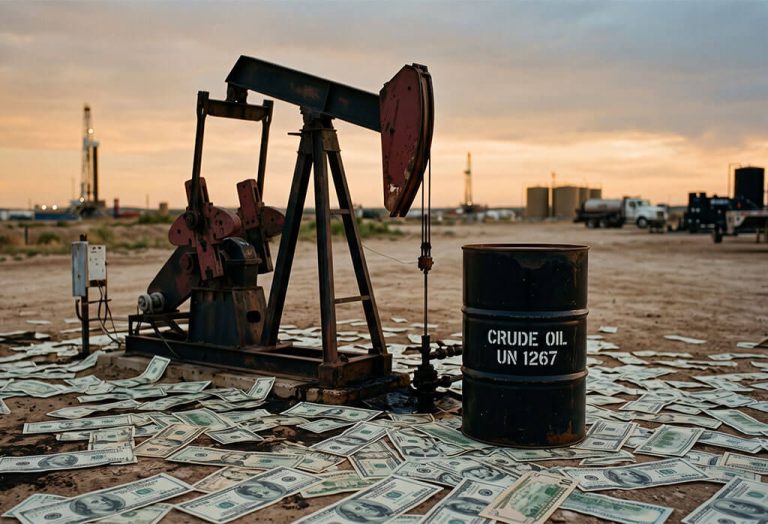
Iran-US ceasefire accusations affect oil flows through one of the world’s busiest trade routes. About one-fifth of global oil moved through the strait before the conflict began. Traders watch each new strike because supply shocks lift prices quickly across world markets. You should track these events closely if your costs depend on a stable energy supply. Bahrain reported Iranian drone attacks on its land, which hosts an American military base. Kuwait said it intercepted incoming attacks while sirens warned its worried residents to hide. These wider attacks show how fast a small clash can spread across the Gulf. For now, both sides keep talking while still trading strikes near the contested waterway. The coming weeks will show whether this fragile deal survives the rising public anger.