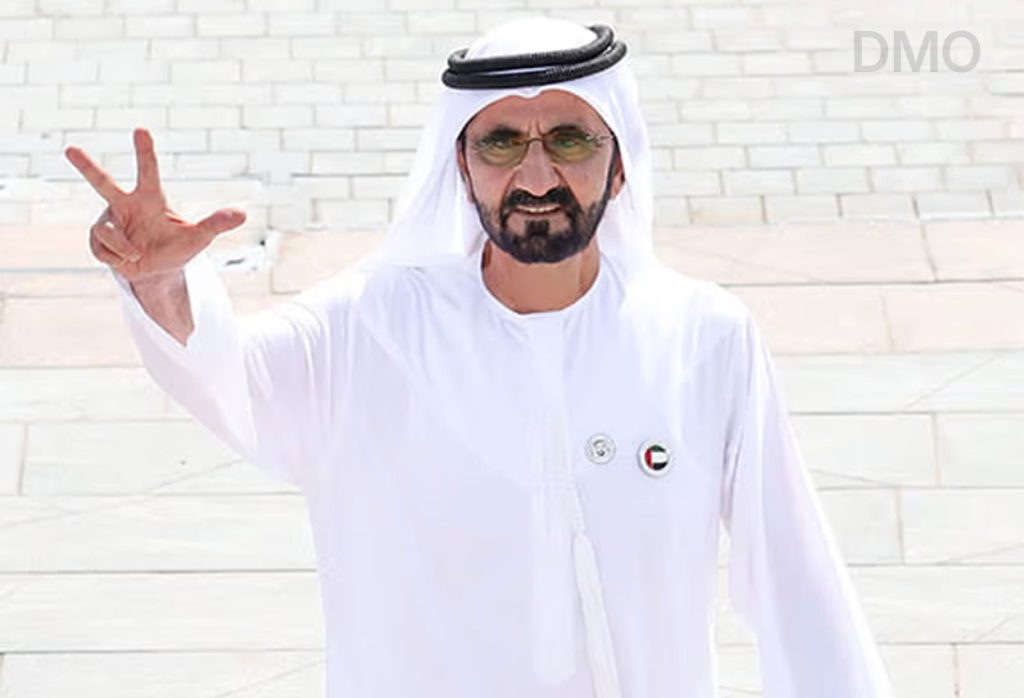
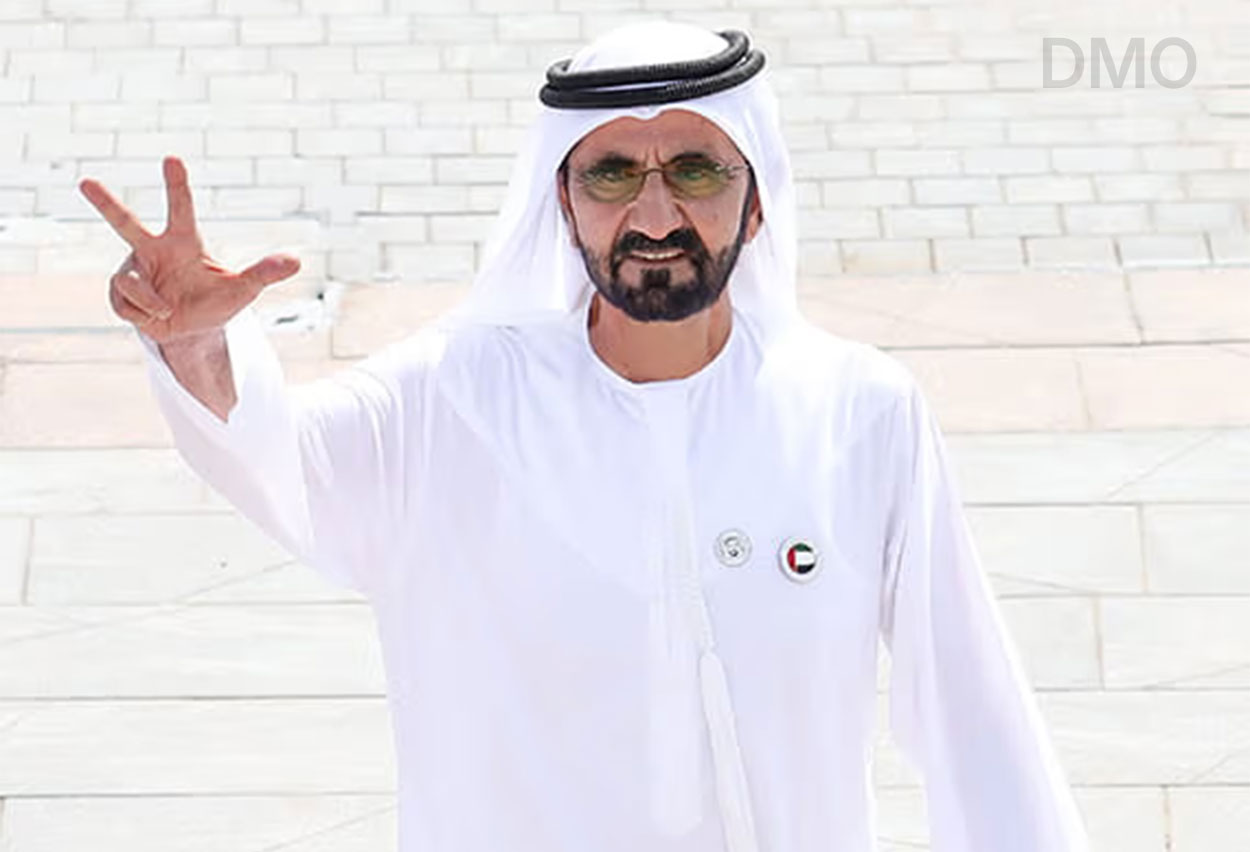



The UAE federal budget 2027-2029 gives the country a three-year spending framework worth AED 292.5 billion, approved by the Cabinet under the chairmanship of Sheikh Mohammed bin Rashid Al Maktoum, Vice President and Prime Minister of the UAE and Ruler of Dubai. The approval sets the financial direction for the federal government through the end of the decade and confirms where public money will go first.
Alongside the three-year plan, the Cabinet approved the federal general budget for fiscal year 2027 at AED 90.1 billion. Both approvals follow the provisions of Federal Decree-Law No. 26 of 2019 on Public Finance, in its amended form, together with the related resolutions that govern how federal entities draw on their allocations.
What the three-year plan sets out to do
The stated purpose of the cycle runs beyond headline figures. Officials frame the plan around fiscal sustainability, stronger government financial performance, and a firmer international standing built through effective partnerships. The draft budget is designed to let federal entities use their approved allocations to carry out the objectives set in the 2027 to 2029 strategic plan.
That design points at outcomes rather than inputs. The budget aims to produce results across economic, social, environmental and service-related areas while supporting the country’s competitiveness abroad. The question of who benefits sits at the centre of how the plan has been presented.
Sheikh Maktoum bin Mohammed bin Rashid Al Maktoum, First Deputy Ruler of Dubai, Deputy Prime Minister and Minister of Finance, said the plan should be judged by the quality and scale of the sustainable impact it delivers across society, not by the size of its financial resources. He described the central aim as sharpening the efficiency of government tools and speeding up projects that raise the quality of life for citizens and residents.
اعتمدنا اليوم الميزانية العامة للاتحاد للأعوام 2027-2029 بإجمالي مصروفات 292.5 مليار درهم، وبنمو قدره 28.3% مقارنة بالأعوام الثلاثة السابقة …
كما اعتمدنا ميزانية العام 2027 بمصروفات 90.1 مليار درهم. أولوياتنا ثابتة ولم تتغير .. التعليم، والصحة، والسكن، والخدمات الاجتماعية، وجودة حياة المواطن واستقراره.
وسنستمر بقيادة أخي الشيخ محمد بن زايد، حفظه الله، في تعزيز المكتسبات.. وصون المنجزات .. ومواصلة العمل لبناء أفضل حياة.
— HH Sheikh Mohammed (@HHShkMohd) October 12, 2026
Where the money goes in people’s terms
The minister tied the social spending directly to national policy. He said allocations for social development, and for education and healthcare in particular, reflect sustained investment in people and the goals of the We the UAE 2031 vision. His framing put proactive government services and social cohesion ahead of the ledger itself.
The plan also builds in a technology bet. Sheikh Maktoum said the budget places particular weight on using artificial intelligence and financial data analytics, while simplifying requirements to keep the national economy resilient against global economic shifts. In his words, the government is investing in a services ecosystem meant to exceed expectations rather than spending only to meet present needs.
He set out the fiscal logic behind that stance. The UAE’s financial model, he said, rests on a careful balance between driving economic growth, funding strategic projects and holding to strict fiscal discipline, alongside updates to tax and development-related legislation. That balance, in his account, supports greater economic stability and strengthens the country’s position internationally.
A shift in how public resources are managed
Mohamed bin Hadi Al Hussaini, Minister of State for Financial Affairs, described the plan as a notable change in the management of public resources, aimed at greater agility and a more strategic approach to medium-term spending. He said the plan was prepared in coordination with all federal entities and under the directives of the UAE General Budget Committee.
The focus, according to Al Hussaini, was on empowering federal ministries and institutions and giving them the tools to meet operational and strategic goals under high standards of governance and future readiness. He linked that approach to the optimal use of federal resources and to the country’s wider fiscal sustainability.

2027 budget allocations by sector
The federal budget allocations by sector for fiscal year 2027 show where priorities land in hard numbers. The Social Development and Pensions Sector receives AED34.6 billion, or 38.4 percent of the total budget, the largest single share.
Within that figure, public and university education programmes account for 18.8 percent of the total budget. Healthcare takes 6.7 percent, pensions 6.4 percent, social affairs 4.4 percent, and public services 2.1 percent. Together, education and healthcare absorb more than a quarter of the year’s spending, a signal of where the government places its long-term returns.
The Government Affairs Sector comes next at AED 29.1 billion, or 32.3 percent of the total. Federal Expenses are set at AED 17.8 billion, representing 19.7 percent. The Financial Investments Sector receives AED5.6 billion, equal to 6.2 percent, while the Infrastructure and Economic Sector is allocated AED3 billion, or 3.4 percent.
How technology shapes the UAE federal budget 2027-2029
The federal government’s new planning cycle places digital transformation at its core. The stated ambition is for the UAE to lead regionally and globally in adopting advanced technologies and in using artificial intelligence across government, economic activity, and planning and financial analysis.
That ambition carries a fiscal purpose. The cycle aims to improve financial efficiency across the federal government and to treat the budget as a strategic tool for future readiness. The intended result is support for sustainable growth and a further rise in the standard of government services.
What the plan reveals about governance
Read through a governance lens, the UAE 2027 budget says as much about accountability as about money. Tying approval to a strict legal framework, measuring success by impact rather than scale, and routing nearly four in ten dirhams toward social development all point to a model where spending is meant to answer for itself.
The commitment to artificial intelligence and data analytics adds a further layer. If the tools work as described, federal entities will have sharper evidence for where money produces results and where it does not. The UAE federal budget 2027-2029 therefore sets both the figures and the method the government will be held to over the next three years.