
 Bitcoin
  Ethereum
  Tether
  BNB
BNB  Solana
  XRP
XRP  USDC
USDC  Lido Staked Ether
  Cardano
  Avalanche


KEY POINTS
• User experience now mirrors modern fintech and removes complex steps
• New structure supports Aave savings with simple onboarding
• Protection design aims to build trust for regular depositors
• The yield model offers a stronger stablecoin yield than low bank rates
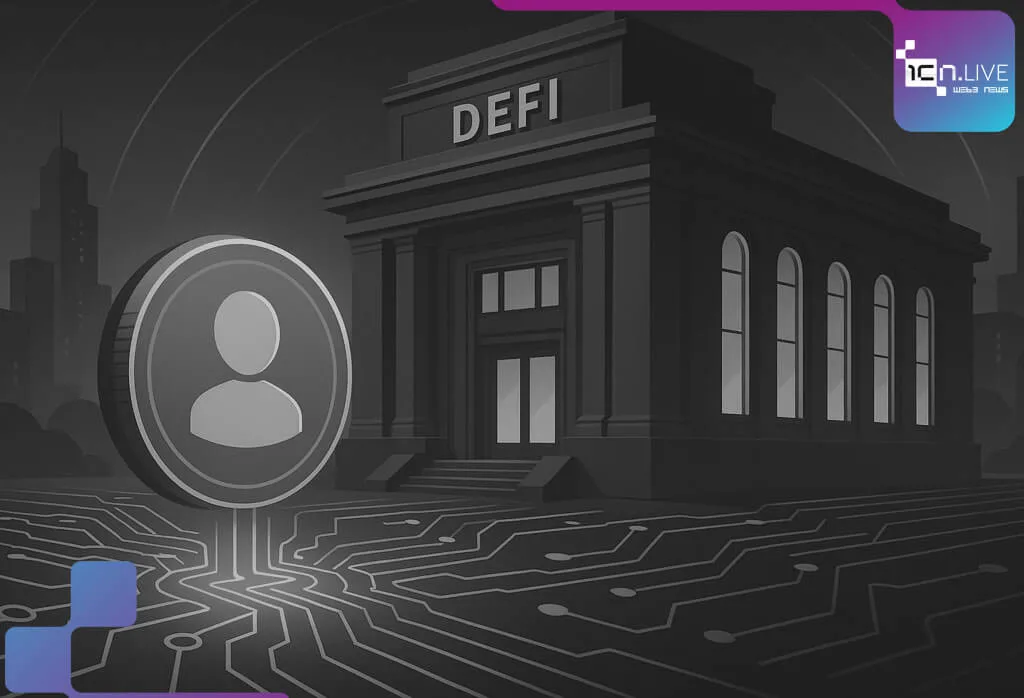
First DeFi app enters the market with a clear ambition to change how global users save money.
The product aims to reduce technical friction, lower fear, and give people a simple path toward open financial tools. As I see it, this step reflects a direct effort to make digital savings feel as simple as a normal banking app.
Aave savings move into a new phase with this launch. The team focused on practical design choices. You open the app, connect a payment method, and move funds with a flow similar to mainstream fintech services. The experience avoids confusing screens, strange pop-ups, or chains of approvals. This approach supports DeFi onboarding for people who have never used a protocol before.
The crypto mobile app handles every technical part in the background. Users place money in familiar currencies. The system handles account abstraction, so deposits move into the right digital assets without user input. This design removes the fear that once limited DeFi to small groups of expert users.
Simple steps guide new users
This change has strong implications for public trust. Many people avoided digital finance due to fears about mistakes or total loss. The new app introduces a protection structure that covers balances up to one million dollars per user. The figure stands far above the common level offered by regular banks in several regions. The protection is provided by the protocol, not a government system, yet the promise sends a clear signal. Users feel supported in a way that older DeFi tools never managed to achieve.
Aave savings also rely on a transparent ledger. Data moves in open systems, so users and analysts observe flows at any time. This is different from traditional institutions, where balance sheets often become visible only during scheduled reports. Transparency supports trust and offers clarity for anyone who wants to know where funds move.
Regulation also plays a part. The team secured approval as a virtual asset service provider in Europe. This status gives the product direct access to regulated payment networks. Users in supported regions move funds in or out with clear rules. For many people, this approval removes concerns about unclear oversight.
ANOTHER MUST-READ ON ICN.LIVE
$6 million lost in an ADA-to-USDA swap highlights growing Cardano liquidity risk
The first DeFi app aims for regulated clarity
Yield still matters for anyone saving money. Traditional banks reduce rates when central banks step back from tight policy. Current trends show falling returns across developed markets. This pushes savers to look for stronger options. The stablecoin yield offered within the crypto mobile app comes from on-chain borrowing demand. It does not follow central bank rate moves. This structure keeps returns above bank levels during rate cuts.
Data from analytic groups show yields on dollar and euro stablecoins staying ahead of short term government debt. Savings accounts in many economies now sit around three percent or lower. Returns inside the protocol range from five to nine percent, depending on market demand. For users in regions with high inflation or unstable banking, the spread becomes a practical advantage. Access to stronger yields gives people a way to protect income in a simple environment.
Distribution plays a major role in the plan. Publishing the crypto mobile app on major app stores places it in front of hundreds of millions of users each week. Many people download finance apps without deep knowledge of the underlying systems. This placement gives DeFi onboarding a global stage. The reach mirrors the path that lifted leading fintech brands into mainstream usage. A user in major cities across all continents follows the same steps to join. They download, verify identity, and start saving.
Stablecoin yield supports global users
Global access matters for developing regions. People who work across borders or face unstable local banks look for dollar savings. This product gives them a path without deep technical steps. The interface looks and feels like a banking tool. Behind the scenes, the protocol supplies liquidity, yield, and transparency. This blend of familiar design with open infrastructure creates a simple value story.
The first DeFi app focuses on clarity. Users see simple screens, clear flows, and easy language. They do not handle chains, wallets, bridges, or seed phrases. Support, protection, and design come together to build trust. The model suggests a future where open financial systems feel normal for everyday users. If DeFi ever reaches a billion people, the shift will likely come from this type of simple interface, smart regulation, and clear savings value.