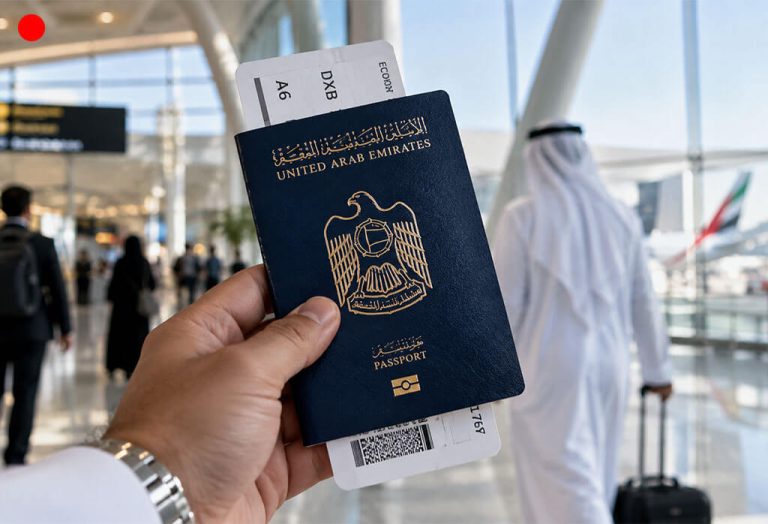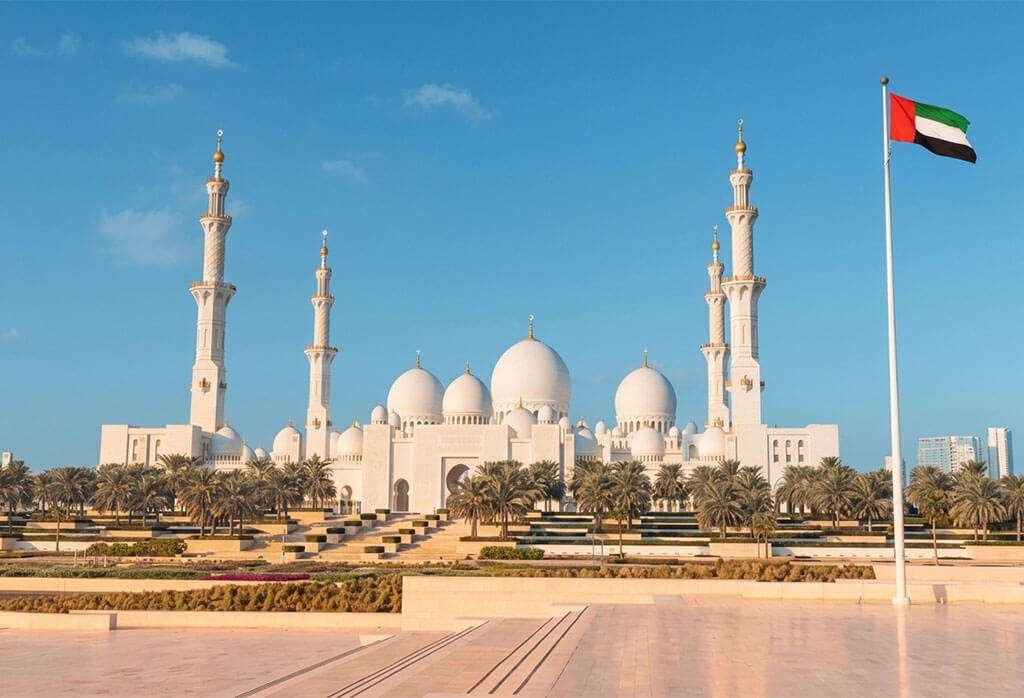



The Global Muslim Travel Index 2026 placed the United Arab Emirates sixth among the world’s leading Muslim-friendly destinations, a ranking that hands the country a governance test as much as a tourism win. Mastercard and CrescentRating released the 11th edition of the Global Muslim Travel Index 2026, scoring the UAE at 75 and awarding it a perfect 100 for halal dining and prayer facilities. The result reflects years of policy work on air links, transit and visa rules. Yet the report raises a sharper question about who controls the systems travelers now trust to plan their journeys.
What the ranking rewards
The index assessed 150 destinations, covering more than 98 percent of global Muslim visitor arrivals. It scored each one across the ACES framework: Access, Communications, Environment and Services. The UAE held its standing as one of the most accessible destinations, helped by strong air and land connectivity, efficient public transit and seamless visa policies. Malaysia kept the top spot for the eleventh year running with a score of 83, reinforcing its lead in halal tourism and Muslim-friendly services. Türkiye, Saudi Arabia and Indonesia shared second place at 79 each. Qatar ranked fifth at 76.
Global Muslim Travel Index 2026 tracks a growing market
The Global Muslim Travel Index 2026 projects international Muslim arrivals to reach 208 million this year, up from 196 million in 2025. By 2030, the figure could climb to 262 million, with annual spending estimated at $310 billion. Those numbers set the stakes for the Muslim travel market. They also explain why governments treat destination readiness as economic policy, not hospitality alone.
AI shifts who holds the trust
GMTI 2026 found that 80 percent of Muslim travelers surveyed now use AI tools to plan trips. These platforms locate halal dining, find prayer spaces, compare transport routes, and offer tailored recommendations. For travelers who must confirm faith-based needs before and during a journey, that support carries weight. The report warns of a harder consequence. Destinations that fail to digitize their Muslim-friendly services risk exclusion from AI-driven recommendation systems, whatever the quality of their physical infrastructure. Competition is moving from what a destination offers to whether an algorithm can see it. That shift places private technology firms at the center of public tourism outcomes, and it raises real questions about accountability. Who audits the systems that decide which destinations a traveler sees? The report points to e-visas, biometric borders, AI chatbots and real-time translation as tools that cut friction across the trip.
UAE Muslim travel leans on human support
Digital tools have spread fast, yet direct human help still matters, in Arabic and English above all. The UAE has invested in trained frontline staff, tourism portals, clear transit signage and detailed travel guides. Such communication lets visitors find help while feeling respected and included. On this measure, the country ranks among the leaders. Mastercard CrescentRating frames the wider picture through resilience. Rising fuel costs, geopolitical tensions and airspace disruptions are pushing people toward closer, more predictable destinations. The report calls this a move toward home-continent mobility, where travelers adjust plans rather than cancel them. For the UAE, the task now is holding its place as both a physical hub and a trusted name inside the digital systems that shape how people travel.