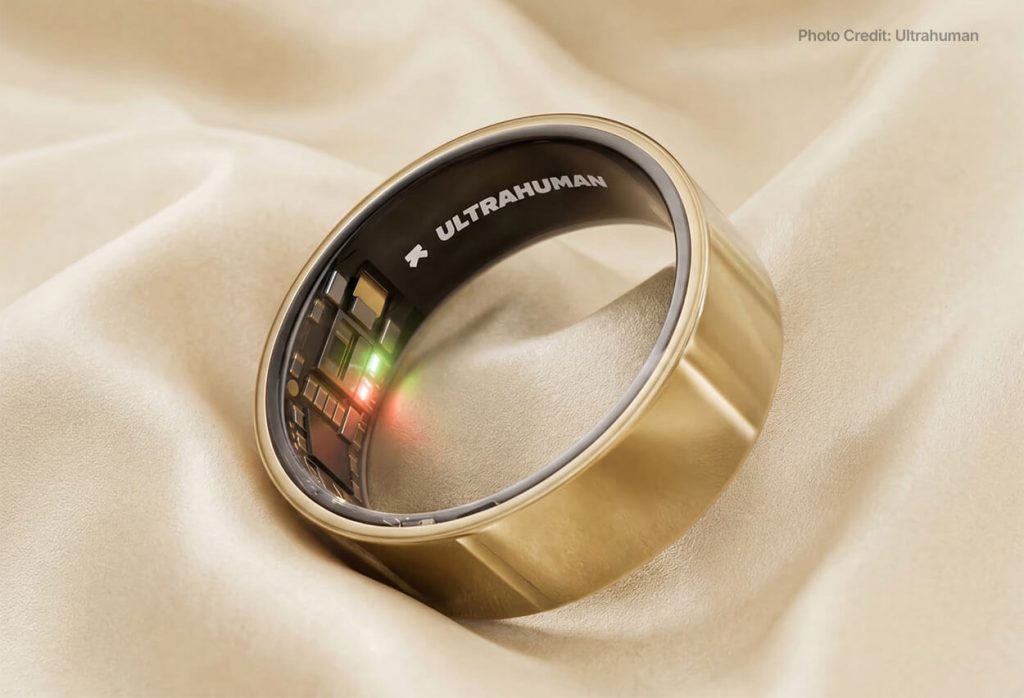
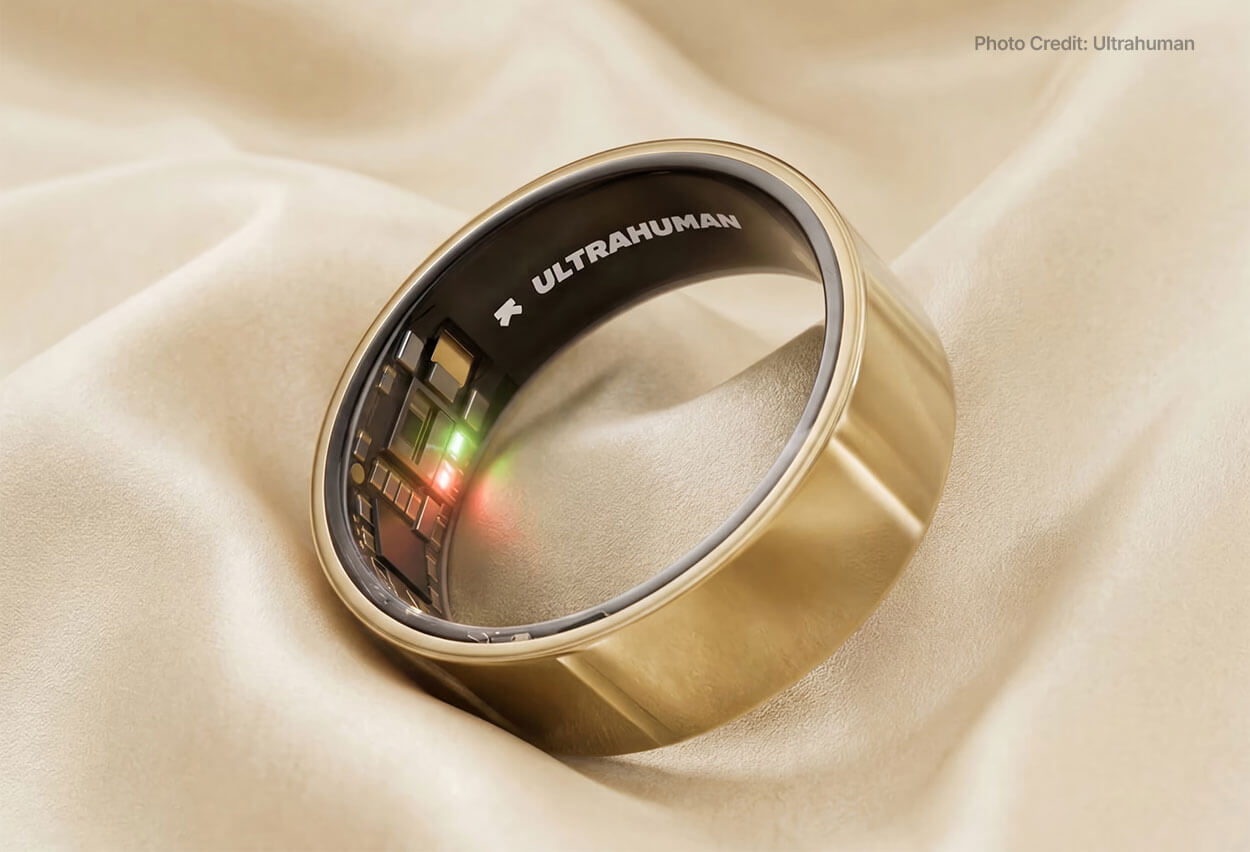



A biological age model in the UAE is moving from private wellness clinics toward a government health system, and the company behind it wants the whole country to have access. Ultrahuman, a Bengaluru-based health tech startup known for its smart rings, said on Monday it had signed a two-year memorandum of understanding with the Abu Dhabi Public Health Center to develop and validate the tool.
What the model actually does
The system estimates how quickly someone is ageing, rather than counting the years since they were born. It pulls together clinical biomarkers and data from wearable devices, then looks for the factors nudging that pace up or down. Sleep, physical activity, cardiovascular health, and metabolism all feed the calculation. The idea is close to the biological age test many UAE residents already pay for at longevity clinics, but delivered at a far larger scale and through public channels.
Ultrahuman designed the model to work with more than one kind of device. Data from rings, wrist-worn trackers, straps, and patches can all flow in alongside blood-test markers, so the Ultrahuman smart ring is one input rather than the only one. That wearable-agnostic approach matters for a population-wide rollout, where people own very different gear.
Why a government deal changes the maths
Ultrahuman has sold roughly 800,000 smart rings worldwide. Its typical customer sits between 25 and 43 years old, which gives the company a fairly narrow slice of any population. A national health system opens the door to every age group, and that is the point. CEO Mohit Kumar said the company increasingly thinks of itself as a health-data business, with the ring serving mainly as a way to collect the wearable health data its algorithms run on.
“But truly, what we care about is not just the form factor, the ring, but what do we do with this data?” Kumar said in an interview.
The UAE already ranks among Ultrahuman’s 10 largest markets and brings in about 4 to 5 percent of its revenue. The company has operated here for nearly five years and sees retention around 25 percent higher than in its other markets. That footing helps explain why Abu Dhabi became the first place it is attempting a health algorithm at national scale.
How your data is handled
Kumar was specific about the data. The underlying model was built on Ultrahuman’s existing users, combining their chronological ages with wearable signals and, for some, blood markers. It will not be trained on UAE data. Instead, the company plans to run the finished algorithm on local data, and Kumar said Ultrahuman will not have access to personally identifiable information through the program. Residents would eventually reach their health age through government digital-health platforms, including TAMM and Sahatna.
The preventive health race in Abu Dhabi
Ultrahuman is not working alone in this space. In May, the Department of Health – Abu Dhabi announced a partnership with rival Oura to pair wearable data with the emirate’s health records, starting with women’s health and cardiometabolic risk. Both companies are pushing past hardware sales and deeper into preventive health, where the longer-term value sits. The wider longevity market has found willing customers across the UAE, and government backing could widen access well beyond people who can afford a clinic visit.
The two companies will spend the next two years on research and clinical validation. Kumar said the broader rollout will come in phases but did not give a timeline, so when residents can check their health remains open.