

icnlive

Fatima Al-Nouri

Writer,

icn.live

Follow

Fatima Al-Nouri is an experienced journalist passionate about financial freedom. Her career highlights include features on Bitcoin adoption, stablecoins, and global regulation. She received her diploma in Journalism and New Media and continues to engage Arabic-speaking audiences on digital finance.
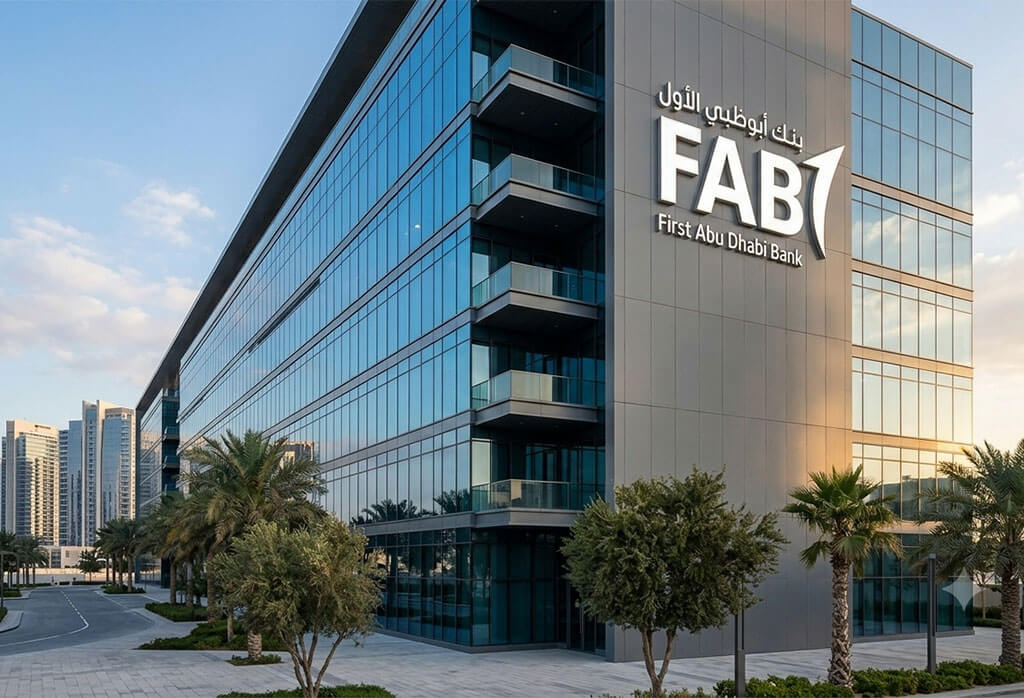
FAB Launches the Emirati Jaywan Debit Card

FAB launches the Emirati Jaywan Debit Card, and the country now has a homegrown card sitting inside its biggest bank. The card is live for domestic use. It runs on the UAE national card scheme, the local rails managed by Al Etihad Payments and backed by the Central Bank of the UAE. First Abu Dhabi Bank is the largest lender in the country by assets. So this reads as a real signal, not a pilot.

What the Jaywan debit card does

Here is what you get. The Jaywan debit card handles everyday payments and cash access across the UAE. Tap or dip at local merchant outlets. Online, it works on UAE-based platforms. ATMs nationwide handle cash withdrawals. The card also links to digital wallets through tokenised wallet integration, so your card details get swapped for a secure token on supported devices.

Security sits at the core. The card uses Chip and PIN for in-person buys and 3D Secure authentication online. Your four-digit PIN confirms you are the real cardholder at the till. For a domestic scheme handling millions of daily taps, this layer counts.

Why FAB launches the Emirati Jaywan Debit Card now

Timing tells the story. FAB launches the Emirati Jaywan Debit Card as the national rollout moves from plan to practice. The card is integrated with the FAB Mobile app, so you manage it where you already bank. You watch transactions, handle your account, and run digital servicing from one screen. Al Etihad Payments built Jaywan to localise card payments and cut transaction costs. Keeping this flow inside UAE borders also strengthens national data sovereignty, a point FAB made plainly.

Two names carried the message. Futoon Al Mazrouei, Group Head of Personal, Wealth and Business Banking at FAB, tied the card to trust and customer focus inside the UAE’s financial system. Andrea Ciancetti, Chief Products Officer at Al Etihad Payments, called the FAB launch “a critical milestone for the roll-out of the scheme,” and thanked the bank for making Jaywan real for people nationwide.

How to get the Jaywan debit card

Getting one is simple if you already bank with FAB. Apply through the FAB Mobile app or at a FAB branch. No account with the bank yet? Open an eligible one first, then apply. Elite and Private Banking clients can go through their relationship managers. FAB has not disclosed fees, account tiers, or rewards, so check those points before you commit.

Jaywan is bigger than one card. The scheme, launched in 2024, is the first UAE national card scheme, built to localise payments and lower costs for merchants and banks. First Abu Dhabi Bank is one of the early issuers, with other lenders lining up prepaid and debit products over the coming months. Al Etihad Payments has also signed global networks for co-badged cards, so travel use can follow the domestic base. For now, the FAB card stays inside UAE borders.


IMPORTANT: CONTENT SUBMITTED BY THE CLIENT. THIS IS A PRESS RELEASE ARTICLE. PLEASE READ THE INFORMATION BELOW.

ICN.live neither validates nor guarantees the accuracy, reliability, or quality of the information, promotional materials, or products mentioned herein. Readers are encouraged to conduct independent due diligence before making any decisions related to the featured company. ICN.live bears no responsibility, directly or indirectly, for any harm, loss, or consequences that may result from reliance on or interaction with the content, services, or offerings described in this release.

The details shared in this announcement do not constitute financial, trading, or investment guidance. Readers are strongly advised to carry out independent research and seek advice from a qualified financial professional before making any investment or cryptocurrency-related decisions.

ADNOC Umm Shaif Gas Cap

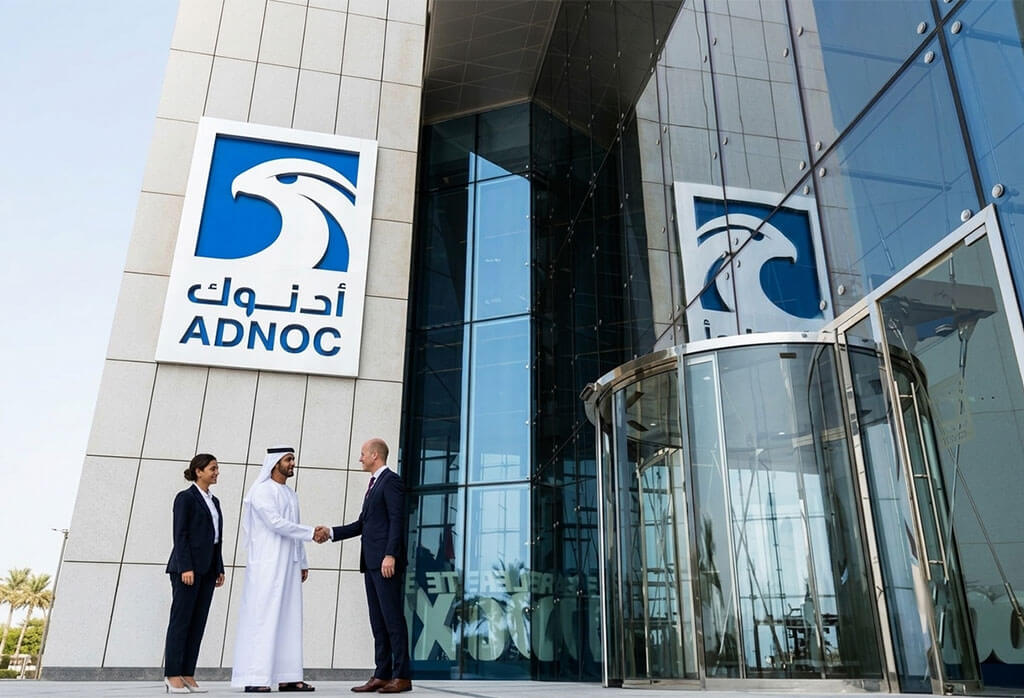
The ADNOC Umm Shaif Gas Cap has moved from a plan to a funded project, with a $6.2 billion final investment decision now signed. ADNOC will develop the offshore field alongside TotalEnergies, Eni and China National Petroleum Corporation. The deal carries a headline figure of AED22.6 billion. It targets first output by 2030.

What the ADNOC Umm Shaif Gas Cap deal delivers

The development will add more than 600 million standard cubic feet per day of natural gas and associated gas liquids. That equals close to 10 percent of what the UAE burns in a day right now. For a country holding the world’s seventh-largest gas reserves, the math matters. Rising UAE natural gas production feeds homes, factories, and the power-hungry data centres behind artificial intelligence growth. You can read this as a bet on demand staying strong.

The Umm Shaif Gas Cap FID sits inside a wider push. ADNOC has been expanding its liquefied natural gas reach and firming up UAE energy security at the same time. Global demand for lower-carbon gas keeps rising, which raises the stakes. Both goals point the same direction.

Who is building it and how

Contracts back up the ambition. ADNOC awarded three engineering, procurement and construction packages worth a combined $5.1 billion, or AED18.8 billion. Consortiums of UAE and international contractors won the work, which covers large-scale offshore infrastructure. A separate $365 million programme, AED1.3 billion, funds 14 wells. ADNOC Drilling will run that campaign over 18 months using three rigs it already owns. No new rigs join the field.

Dr. Sultan Ahmed Al Jaber, Minister of Industry and Advanced Technology and ADNOC Managing Director and Group CEO, tied the move to the company’s broader plan. “The Umm Shaif Gas Cap FID is another important milestone in delivering this strategy and reinforcing ADNOC’s position as a reliable gas supplier,” he said. Umm Shaif is Abu Dhabi’s longest-operating offshore field, so this builds on decades of work.

The field runs deep in the emirate’s history. It hosted Abu Dhabi’s first offshore well and fed the emirate’s first oil exports back in 1962. Six decades on, it now anchors a gas plan aimed at near self-sufficiency by 2030.

The bigger gas play

This Abu Dhabi offshore gas project does not stand alone. The ADNOC Umm Shaif Gas Cap follows a concession award for the Bab Gas Cap from the Supreme Council for Financial and Economic Affairs. That field is expected to add another 1.5 billion standard cubic feet per day of gas and liquids. Stack the two, and the supply picture grows fast.

There is a trading side too. A new ADNOC LNG platform now sits in Abu Dhabi Global Market. The venture is chasing 47 million tonnes per annum of marketable LNG capacity by 2035. That scale would place it among the largest LNG traders anywhere. The ADNOC Umm Shaif Gas Cap fits neatly into that goal, feeding molecules into a growing export machine.

My read: the ADNOC Umm Shaif Gas Cap is Abu Dhabi buying insurance and market share at once. Demand for reliable, lower-carbon gas keeps climbing, and ADNOC wants to be the name buyers trust when they place long orders. The 2030 timeline gives partners room to build. Watch the drilling pace over the next 18 months for the first real signal.

OPEC+ oil output increase

OPEC+ oil output increase decisions advanced on Sunday as the group lifted August production targets again. Seven core producers agreed to add 188,000 barrels each day to global markets from August. This latest move matches similar increases the group approved earlier for both June and July. Falling oil prices today shaped the decision as the Strait of Hormuz slowly reopened. Tanker traffic through the busy waterway picked up, easing many months of tight supply. Brent crude oil prices traded near 72 dollars on Friday, down from summer peaks.

Those peaks reached above 120 dollars during the war between the United States and Iran. Prices now sit close to levels seen before the February conflict began this year. Lower Chinese imports and stronger non-Gulf exports also pushed the wider market back down. A record strategic stock release from the International Energy Agency added even more barrels. OPEC+ production quotas have climbed by nearly 800,000 barrels per day since early April. Much of this planned rise stayed on paper while the shipping route stayed closed. Saudi Arabia’s oil production, along with Kuwaiti and Iraqi supply, lost vital export access. Output across the whole group fell sharply during the height of the regional fighting. Group supply dropped to 33.13 million barrels per day in May, official data shows.

Prices Cool As Tankers Return To The Strait

Recovery began in June after Washington helped the UAE and others ship more oil. Flows still sit below pre-war levels, though the daily trend keeps moving steadily higher. Traders now watch how many tankers cross the Strait of Hormuz oil export route. “The group of seven kept unwinding their production cuts as widely expected,” said UBS analyst Giovanni Staunovo. His firm expects the near-term focus to stay on demand and Chinese import recovery. A memorandum between Washington and Tehran also calmed market fears about future supply flows.

Iraq now presses the whole group for a higher quota within these monthly talks. The United Arab Emirates left the alliance in late April to free its capacity. Emirates leaders wanted their output to match capacity without limits set by the group. OPEC+ oil output increase plans now run through a much messier political picture today. Seven producers- Saudi Arabia, Russia, Iraq, Kuwait, Algeria, Kazakhstan, and Oman- still lead policy. These seven nations roll back a 1.65 million barrel cut first agreed in 2023. Reuters math shows about 379,000 barrels of the original cut still remain fully unwound. One more August-sized hike in September would then clear the remaining 2023 supply cut. Group members meet again on August 2 to weigh their next big production move.

OPEC+ Oil Output Increase Faces A Bigger Market Test

Market watchers now link this OPEC+ oil output increase to confidence in the wider economy. From my standpoint, this steady drip of new supply keeps most traders cautious for now. Oil prices today still swing on every fresh headline about the fragile peace process. Brent crude oil prices give you a fast read on how markets judge risk. Watch the tanker counts, the quota talks, and the pace of Saudi Arabia’s oil production. This OPEC+ oil output increase signals confidence, yet real barrels decide the final story.