• bitcoinBitcoin (BTC) $ 42,977.00 0.18%
  • ethereumEthereum (ETH) $ 2,365.53 1.12%
  • tetherTether (USDT) $ 1.00 0.2%
  • bnbBNB (BNB) $ 302.66 0.19%
  • solanaSolana (SOL) $ 95.44 1.28%
  • xrpXRP (XRP) $ 0.501444 0.1%
  • usd-coinUSDC (USDC) $ 0.996294 0.34%
  • staked-etherLido Staked Ether (STETH) $ 2,367.26 1.4%
  • cardanoCardano (ADA) $ 0.481226 2.68%
  • avalanche-2Avalanche (AVAX) $ 34.37 1.19%
  • bitcoinBitcoin (BTC) $ 42,977.00 0.18%
    ethereumEthereum (ETH) $ 2,365.53 1.12%
    tetherTether (USDT) $ 1.00 0.2%
    bnbBNB (BNB) $ 302.66 0.19%
    solanaSolana (SOL) $ 95.44 1.28%
    xrpXRP (XRP) $ 0.501444 0.1%
    usd-coinUSDC (USDC) $ 0.996294 0.34%
    staked-etherLido Staked Ether (STETH) $ 2,367.26 1.4%
    cardanoCardano (ADA) $ 0.481226 2.68%
    avalanche-2Avalanche (AVAX) $ 34.37 1.19%
image-alt-1BTC Dominance: 58.93%
image-alt-2 ETH Dominance: 12.89%
image-alt-3 BTC/ETH Ratio: 26.62%
image-alt-4 Total Market Cap 24h: $2.51T
image-alt-5Volume 24h: $144.96B
image-alt-6 ETH Gas Price: 5.1 Gwei
 

MORE FROM SPONSORED

LIVE Web3 News


ARTICLE INFORMATION

RLUSD on Ethereum L2

RLUSD on Ethereum L2 expands Ripple stablecoin reach across global networks

Mariam Al-Yazidi

RLUSD on Ethereum L2 enters a new pilot across major scaling networks.

Ripple Labs expands distribution while waiting for full regulatory clearance. The move targets broader on-chain finance use. Institutional access stays central.

Key points

  • Ripple tests RLUSD stablecoin across major Ethereum layer 2 networks.

  • Wormhole enables native cross-chain transfers without wrapped assets.

  • Regulatory oversight remains a core focus for Ripple stablecoin growth.

  • Ripple Labs expands distribution while waiting for full regulatory clearance.

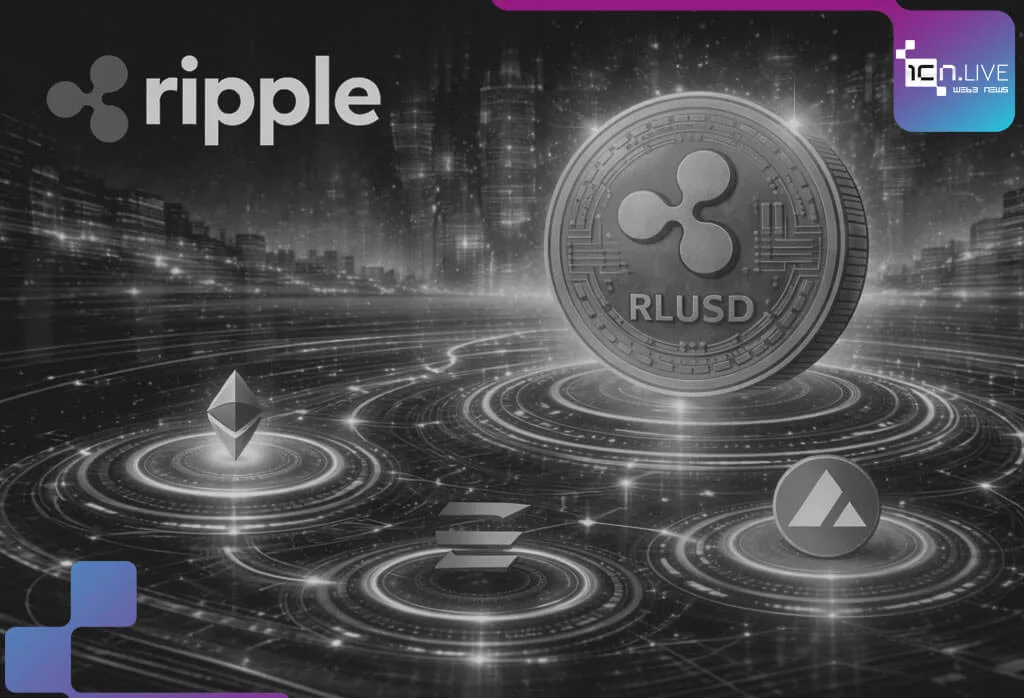
Ripple Labs pushes forward with RLUSD on Ethereum L2 through a controlled pilot. The stablecoin reaches Optimism, Base, Ink, and Unichain. Each network supports faster settlement and lower fees. Ripple aims for broader utility across decentralized finance and enterprise payments.

RLUSD stablecoin launched during December 2024 on XRP Ledger and Ethereum. The project targets regulated financial use. Expansion across layer 2 networks supports higher transaction volume. Ethereum layer 2 infrastructure also improves user experience.

Ripple’s stablecoin strategy focuses on compliance and scale. RLUSD operates under a New York Department of Financial Services Trust Company Charter. Ripple also seeks federal oversight through an OCC trust bank application. Regulatory clarity supports institutional confidence.

From my perspective, this expansion shows disciplined growth rather than rushed adoption. Ripple chooses networks with strong developer ecosystems and real transaction demand.

Why RLUSD on Ethereum L2 matters for stablecoin adoption

Cross-chain movement presents technical challenges for stablecoins. Wrapped assets often split liquidity. Fragmentation reduces efficiency across markets. Ripple addresses this issue through Wormhole integration.

Wormhole provides Native Token Transfers support. RLUSD moves as a real asset across blockchains. Liquidity stays unified across supported networks. Ripple controls deployment contracts on each chain.

The Wormhole team explained the benefit in a public statement. “Native transfers remove wrapped tokens and preserve a single canonical asset.” This structure supports consistent pricing and deeper liquidity.

Ethereum layer 2 networks serve growing on-chain activity. Optimism and Base attract developers and retail users. Ink benefits from Kraken ecosystem exposure. Unichain targets enterprise scale.

Ripple stablecoin presence across these networks improves access. Developers integrate RLUSD into payments, lending, and settlement tools. Users gain faster transfers with lower fees.


ANOTHER MUST-READ ON ICN.LIVE

The BTC integration on MetaMask brings full Bitcoin access to wallet users

RLUSD stablecoin design avoids wrapped asset risks

Ripple plans additional network launches during 2026. Regulatory approval remains the final requirement. Expansion depends on compliance outcomes.

Jack McDonald, senior vice president of stablecoins at Ripple, shared a clear view. “Stablecoins are the gateway to DeFi and institutional adoption.” He also stated, “RLUSD sets a standard where compliance meets on-chain efficiency.”

Market data shows RLUSD growth momentum. Current market capitalization stands near 1.3 billion dollars. Larger competitors include USDT and USDC. RLUSD targets regulated niches rather than raw size.

Retail adoption also increases. Integrations with Transak improve access. Wallets like Xaman support self-custody use cases. These channels expand reach beyond institutions.

Crosschain stablecoin demand continues rising. Payments, treasury operations, and settlement require speed and trust. RLUSD on Ethereum L2 positions Ripple for regulated digital finance growth.

SHARE

What makes RLUSD on Ethereum L2 different from other stablecoins?

RLUSD on Ethereum L2 focuses on regulation and native crosschain design. Ripple issues RLUSD under a New York Trust Company Charter. This structure supports institutional trust. Many stablecoins rely on wrapped versions across chains. Wrapped assets fragment liquidity and add risk. RLUSD avoids this issue through Wormhole Native Token Transfers. Each supported blockchain hosts a native version under Ripple control. Ethereum layer 2 networks also reduce fees and settlement times. Optimism, Base, Ink, and Unichain support high transaction throughput. This setup fits enterprise payments, treasury flows, and decentralized finance tools. RLUSD stablecoin growth targets compliance focused markets rather than rapid speculation. This approach differentiates RLUSD from larger stablecoins focused on scale alone.

Why did Ripple choose Ethereum layer 2 networks for RLUSD expansion?

Ethereum layer 2 networks support growing onchain demand. These networks handle higher transaction volume with lower costs. Developers build payment, lending, and settlement tools on layer 2 infrastructure. Ripple selected Optimism, Base, Ink, and Unichain due to strong ecosystems. Each network serves different user segments. Ink connects with exchange users through Kraken. Base supports retail adoption. Optimism supports governance focused applications. Unichain targets enterprise scale. RLUSD stablecoin benefits from this diversity. Ethereum layer 2 access improves reach while maintaining security standards tied to Ethereum mainnet.

How does Wormhole improve RLUSD crosschain transfers?

Wormhole enables native token transfers across blockchains. RLUSD moves as a real asset rather than a wrapped copy. This design preserves liquidity across supported networks. Many crosschain systems lock tokens on one chain and mint copies elsewhere. That process splits liquidity and raises risk. Wormhole Native Token Transfers avoid those issues. Ripple retains control over deployment contracts. Each blockchain hosts a canonical RLUSD version. This structure supports pricing consistency and deeper markets. Crosschain stablecoin movement becomes simpler and safer for users and developers.

What role does regulation play in RLUSD stablecoin growth?

Regulation remains central to Ripple stablecoin strategy. RLUSD operates under state level financial oversight. Ripple also seeks federal trust bank approval. These steps support institutional participation. Banks, funds, and enterprises require clear compliance frameworks. RLUSD on Ethereum L2 aligns with those needs. Regulatory clarity also supports long term adoption. Many stablecoins operate without direct oversight. RLUSD targets regulated financial infrastructure instead. This focus positions Ripple for enterprise payments, treasury management, and decentralized finance integration under clear legal standards.

FEATURED

EVENTS

Days
Hr
Min
Sec
 

ICN TALKS EPISODES