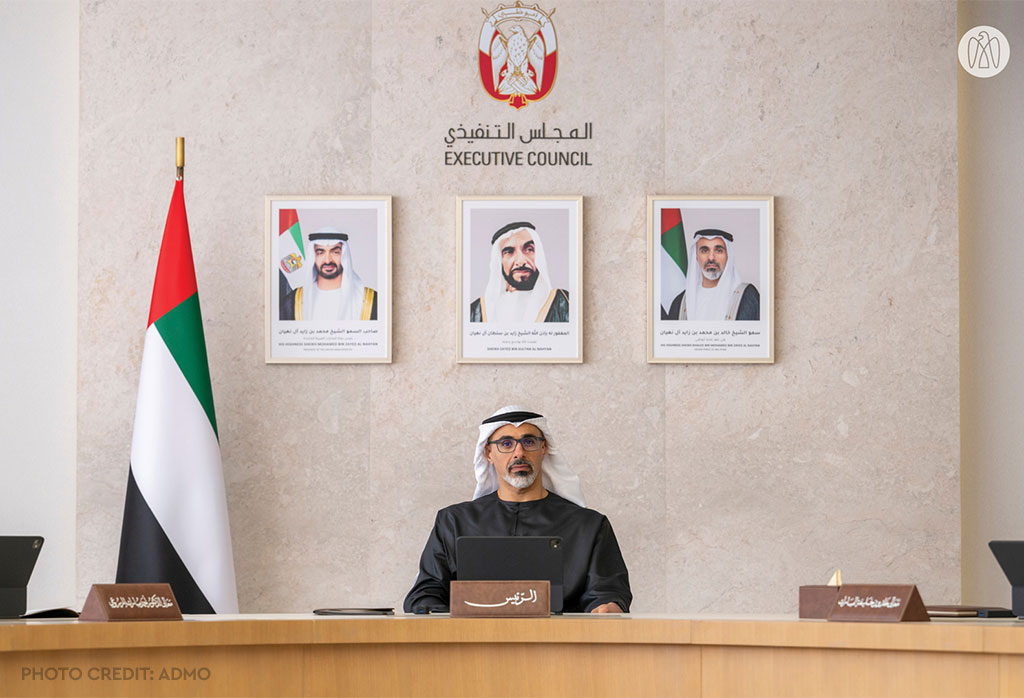


Sheikh Khaled chairs Abu Dhabi Council, and its latest meeting placed an agentic AI platform inside government decision-making for the first time. His Highness Sheikh Khaled bin Mohamed bin Zayed Al Nahyan, Crown Prince of Abu Dhabi, chaired the session. The Abu Dhabi Executive Council reviewed public projects meant to lift government performance and community services. Before the meeting, the AI Committee System read every paper on the agenda. It then wrote short summaries that explained each item in plain terms, the Abu Dhabi Media Office has announced.
During the talks, the platform offered live insights and questions, checked facts, and raised points for members to weigh. One design choice stands out for anyone who cares about governance. Every output stayed traceable and tied to its source papers. The system also spells out which entity or committee carries each responsibility. That link keeps a clear line of accountability from any recommendation back to the people who signed off.
The next phase of the Liveability Strategy
Sheikh Khaled bin Mohamed bin Zayed directed a second phase of the Abu Dhabi Liveability Strategy, building on the first. Phase one finished more than 60 major projects worth over AED12 billion, part of an approved programme of AED42 billion. Across two years, the emirate’s District Completion Index climbed from 67 percent to 84 percent.
The new five-year phase shifts the aim from building community facilities to running them well. It leans on predictive, data-driven planning and points public money toward the priorities with the greatest impact. Public-private partnerships gain weight, and resident needs turn into investment openings for community services and social infrastructure.
Nurseries, health and schools on the agenda
Governance frames every item when Sheikh Khaled chairs Abu Dhabi Council sessions, and family services sat high on this one. The Al Ghad Nurseries project has enrolled 3,253 children across 10 nurseries in Abu Dhabi and Al Ain, 80 percent of them children of working mothers. Members approved growth from 3,000 to 12,000 seats by 2029, reaching children in Abu Dhabi, Al Ain and Al Dhafra. That expansion should open more than 1,000 jobs for Emirati women in early childhood care.
The council also approved the Abu Dhabi Programme for the Future of Reproductive Health, overseen by Abu Dhabi’s Department of Health. His Highness framed the programme as an investment in future generations, part of a wider push to connect care, research and talent in one system. It serves men and women across prevention, genetic screening, fertility diagnosis and assisted reproductive care. The plan targets an 80 percent IVF success rate by 2030 through precision medicine, genomics and AI. On schooling, the council reviewed plans to teach AI in private schools from kindergarten to Grade 12. Younger pupils start with hands-on activities rather than screens, while teachers train alongside specialist academic partners.
Why the record of each decision counts
The AI Committee System does more than take notes. It tracks proceedings live, drafts analytical reports and minutes, and lists the recommendations and actions required. Follow-up gets simpler because each recommendation carries a named owner and a clear next step. When Sheikh Khaled chairs Abu Dhabi Council business, that record of who decided what carries real weight. Each time Sheikh Khaled chairs Abu Dhabi Council meetings, the test will be whether the technology sharpens decisions while keeping people answerable for them.