• bitcoinBitcoin (BTC) $ 42,977.00 0.18%
  • ethereumEthereum (ETH) $ 2,365.53 1.12%
  • tetherTether (USDT) $ 1.00 0.2%
  • bnbBNB (BNB) $ 302.66 0.19%
  • solanaSolana (SOL) $ 95.44 1.28%
  • xrpXRP (XRP) $ 0.501444 0.1%
  • usd-coinUSDC (USDC) $ 0.996294 0.34%
  • staked-etherLido Staked Ether (STETH) $ 2,367.26 1.4%
  • cardanoCardano (ADA) $ 0.481226 2.68%
  • avalanche-2Avalanche (AVAX) $ 34.37 1.19%
  • bitcoinBitcoin (BTC) $ 42,977.00 0.18%
    ethereumEthereum (ETH) $ 2,365.53 1.12%
    tetherTether (USDT) $ 1.00 0.2%
    bnbBNB (BNB) $ 302.66 0.19%
    solanaSolana (SOL) $ 95.44 1.28%
    xrpXRP (XRP) $ 0.501444 0.1%
    usd-coinUSDC (USDC) $ 0.996294 0.34%
    staked-etherLido Staked Ether (STETH) $ 2,367.26 1.4%
    cardanoCardano (ADA) $ 0.481226 2.68%
    avalanche-2Avalanche (AVAX) $ 34.37 1.19%
image-alt-1BTC Dominance: 58.93%
image-alt-2 ETH Dominance: 12.89%
image-alt-3 BTC/ETH Ratio: 26.62%
image-alt-4 Total Market Cap 24h: $2.51T
image-alt-5Volume 24h: $144.96B
image-alt-6 ETH Gas Price: 5.1 Gwei
 

MORE FROM SPONSORED

LIVE Web3 News


ARTICLE INFORMATION

Korean National Pension Service

Korean National Pension Service and its potential entry into digital assets

Fatima Al-Nouri

Key Points:

• The Korean National Pension Service is urged to explore digital asset investments.

• Bitcoin ETF and Digital Asset Treasury could serve as early adoption tools.

• Crypto investment Korea shows growing traction among institutional players.

• Global pension trends highlight increasing crypto exposure.


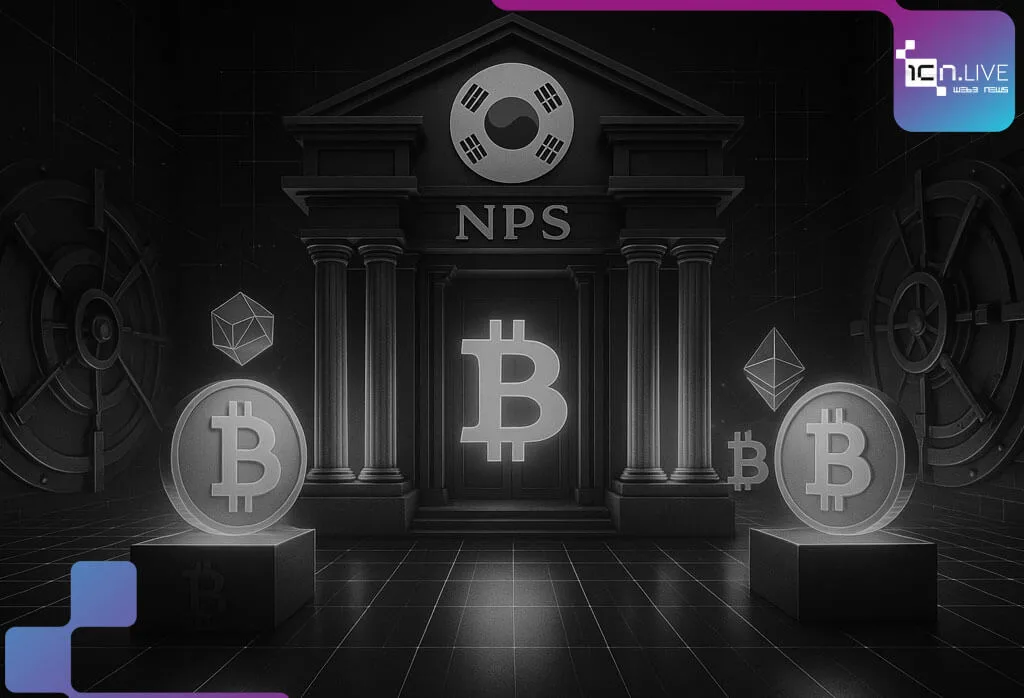
The Korean National Pension Service is now at the center of a debate over digital asset adoption.

The fund, with more than $930 billion in assets under management, is under growing pressure to adjust its pension fund strategy. Experts argue that delaying this move risks leaving Korea behind global pension trends that are increasingly crypto-friendly.

Policy shift discussion Kab Lae Kim, a senior research fellow at the Korea Capital Market Institute, recently advised that the Korean National Pension Service should start considering a structured allocation toward digital assets. He explained that Digital Asset Treasury companies and Bitcoin ETF products could serve as secure entry points for cautious institutions. This approach, in his view, provides a credible gateway for large pension entities to enter the digital economy.

ANOTHER MUST-READ ON ICN.LIVE: 

$50 billion EA Sports deal reshapes video game industry and investor strategies


Digital Asset Treasury and Bitcoin ETF as stepping stones

From my perspective, the hesitation of the Korean National Pension Service reflects its concerns about volatility and public trust. Pension funds must prioritize stability, yet excluding digital assets entirely overlooks real opportunities. Global peers, such as AMP in Australia and Michigan’s pension system in the US, have already taken modest positions in Bitcoin-related assets. These actions show a gradual but steady trend in pension fund strategy worldwide.

 In Korea, crypto investment has already gained momentum among securities firms. The domestic industry foundation is built, with multiple financial institutions generating substantial profits from digital services. Still, the Korean National Pension Service remains on the sidelines. Kim argues that this absence creates a strategic gap, as supporting local digital asset companies would enhance their global competitiveness.

Global examples support Kim’s point. The Australian AMP fund placed $27 million into Bitcoin, while Michigan’s pension fund directed $6.6 million into a Bitcoin ETF. Even the NPS itself indirectly entered through MicroStrategy shares in August 2024, buying 24,500 units. MicroStrategy’s heavy Bitcoin exposure links the stock strongly to the crypto market. This indirect step suggests a slow recognition that ignoring digital assets is no longer viable.

Global pension trends push for digital exposure

The Korean National Pension Service plays a vital role in shaping broader pension fund strategy. If the fund integrates Bitcoin ETF products or creates a Korean Digital Asset Treasury model, the move could legitimize the entire industry. Policy discussions are now essential. The fund’s participation would encourage institutional growth, stabilize investor trust, and signal Korea’s commitment to staying competitive.

My analysis indicates that Korean National Pension Service decisions on digital asset exposure will set the tone for the region. Inaction risks isolating Korea from global pension trends. Action, on the other hand, could accelerate both domestic growth and international positioning in digital finance.


SHARE

Why should the Korean National Pension Service consider digital assets?

The Korean National Pension Service manages more than $930 billion, making its allocation choices critical. Experts argue that digital assets represent an emerging asset class now gaining global acceptance. Pension funds in the United States and Australia already invested in Bitcoin ETFs and related instruments, signaling growing institutional trust. Advocates believe early exposure allows diversification, creates new return channels, and strengthens Korea’s global financial competitiveness. Supporting digital assets would also help local firms scale internationally. If NPS remains inactive, Korea risks falling behind global pension trends that now see crypto as part of long-term strategy.

What role could Bitcoin ETFs play in the Korean pension market?

Bitcoin ETFs are designed to provide straightforward exposure to Bitcoin without requiring direct custody or technical management. For a large institution such as the Korean National Pension Service, this structure reduces operational complexity and security risks. ETFs trade on regulated exchanges, ensuring transparency and liquidity. In the United States, Michigan’s pension fund has already allocated capital into a Bitcoin ETF, showing practical adoption. In Korea, similar products would let NPS cautiously test crypto exposure in a controlled framework. This entry point balances innovation with safety, building trust both within the institution and with the broader public.

How would a Digital Asset Treasury benefit Korea’s pension strategy?

A Digital Asset Treasury, or DAT, involves structured entities holding crypto assets under strict compliance standards. For the Korean National Pension Service, this could act as a middle ground between full exposure and complete avoidance. DATs allow institutions to benefit from the digital economy while maintaining oversight, risk controls, and transparency. Advocates argue that a Korean-style DAT could make adoption safer by pooling resources and ensuring accountability. It would also support domestic digital asset companies, giving them stronger backing to compete globally. For NPS, DATs provide both diversification and alignment with global pension trends, while reducing the political and financial risks of direct holdings.

What are the risks and opportunities of adding crypto to pension funds?

The primary risk is volatility, as Bitcoin and other cryptocurrencies often experience sharp fluctuations in value. This raises concerns for pensions, where stability and predictability are vital. Public confidence is another challenge, since beneficiaries want security in retirement savings. Still, digital assets present opportunities as a long-term hedge and a way to diversify portfolios. Structured products such as ETFs or DATs mitigate some risks tied to custody and management. Global adoption continues to grow, meaning inaction could cost Korea future competitiveness. From my standpoint, the best approach is gradual and controlled exposure. This limits short-term risks while allowing NPS to participate in broader digital asset growth.

FEATURED

EVENTS

Days
Hr
Min
Sec
 

ICN TALKS EPISODES