
 Bitcoin
  Ethereum
  Tether
  BNB
BNB  Solana
  XRP
XRP  USDC
USDC  Lido Staked Ether
  Cardano
  Avalanche


Key Points:
-
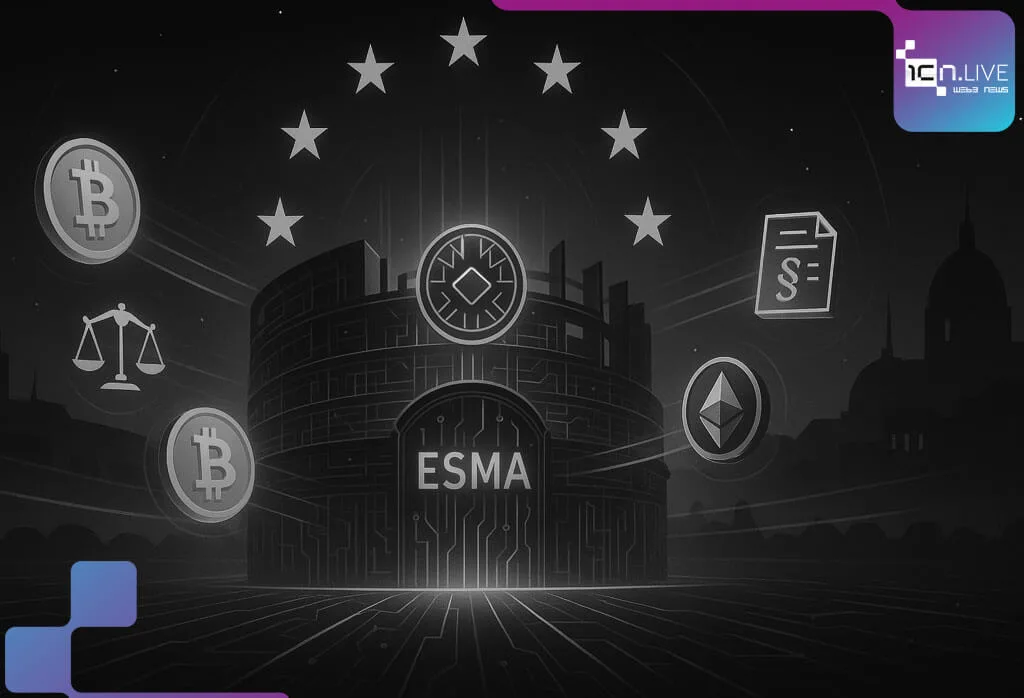
The European Commission plans to give ESMA direct oversight of crypto firms.
-
Countries like France and Italy support the change to uniform rules.
-
Smaller nations such as Malta and Luxembourg oppose losing authority.
-
The shift could transform how crypto licensing works under the MiCA framework.
ESMA crypto regulation is at the center of Europe’s latest debate on financial supervision.
The European Commission is preparing a plan that would move crypto oversight from national regulators to the European Securities and Markets Authority, or ESMA. This change could create a unified approach to supervision across the European Union.
Today, each member state manages its own crypto licensing and compliance checks. That system has led to uneven enforcement under the MiCA framework, which was designed to create consistency. France, Italy, and Austria argue that a single regulator would make Europe’s crypto market more competitive and transparent.
Verena Ross, ESMA’s Chair, confirmed that Brussels is drafting proposals. She explained that the goal is to stop duplication and confusion created by 27 separate national regulators.
A Call for Central Oversight in the EU Crypto Market
Supporters believe a centralized ESMA crypto regulation could help build investor trust. They point out that Europe’s crypto supervision remains fragmented even after MiCA became law in December 2024. Each country must maintain its own experts, systems, and enforcement teams, which wastes time and money.
Ross said, “New resources had to be built up 27 times, once in each member state, which could have been done more efficiently at a European level.” Recent audits back her concerns. ESMA’s review of Malta’s process in mid-2025 revealed weak governance and cybersecurity checks in some licensed firms.
France’s regulator has gone further, suggesting that crypto firms licensed under looser regimes should not gain full EU access. France’s position highlights growing frustration with the uneven standards that threaten fair competition across the EU crypto market.
ANOTHER MUST-WATCH ON ICN.LIVE:
Smaller Countries Push Back Against ESMA Power Expansion
Malta, Luxembourg, and Ireland strongly oppose the proposal. Their regulators argue that centralizing supervision would slow innovation and increase bureaucracy. Malta’s Financial Services Authority warned the plan “would add unnecessary layers” during a time when the EU is trying to improve competitiveness.
Malta’s economy has benefited from crypto licensing. Firms like OKX and Crypto.com secured early approvals under MiCA, giving the island a leadership role. Luxembourg’s Claude Marx also warned that moving power to ESMA could create a “regulatory monster” that weakens smaller economies. These concerns reflect the balance Europe must strike between efficiency and local autonomy.
The MiCA framework currently allows firms to get licensed in one country and operate across all 27 member states. While that “passporting” system was meant to simplify business, it also opened doors for “jurisdiction shopping,” where companies seek the easiest licensing rules.
Reform Could Define Europe’s Financial Future
The European Commission now faces a tough choice. Centralizing authority under ESMA could bring consistency but may require political compromise. France’s Financial Services chief, Maria Luís Albuquerque, has voiced support for the reform. She noted that crypto platforms and other cross-border entities need a common supervisor for fair oversight.
From my standpoint, this debate reflects a deeper question about Europe’s financial integration. Stronger ESMA crypto regulation could help build confidence among investors and attract global players. Yet, smaller states fear losing both influence and income.
ESMA’s creation in 2011 followed the global financial crisis. It was designed to harmonize financial rules, not to oversee every industry. Still, the agency is expanding. By 2026, ESMA will monitor ESG ratings and data systems for equity and bond markets. Those roles may help it prepare for direct crypto oversight later.
ANOTHER MUST-READ ON ICN.LIVE:
BitMine’s ETH holdings rise as firm pushes for 5% of total Ethereum supply
What Centralized Supervision Means for Crypto Firms
For crypto companies, the potential shift could bring both clarity and challenge. A single supervisor would simplify compliance and reduce regulatory conflict. Firms would follow one set of rules, rather than juggling multiple national requirements. But it might also lead to stricter controls, higher reporting costs, and fewer shortcuts for quick licensing.
Ross has said demand for unified capital markets is growing. Europe wants stronger tools to finance priorities like defense, clean energy, and digital projects. A centralized ESMA crypto regulation could fit into that goal by ensuring investor protection and stable market growth.
Yet, political resistance remains. Any final reform must be approved by all 27 member states. Reaching a consensus will not be simple, especially with Malta and Luxembourg defending their independence.
The European Commission continues to draft proposals, but no final date has been announced. As discussions advance, Europe’s crypto firms are watching closely. Whether supervision becomes centralized or stays divided, the outcome will shape the next chapter of the EU crypto market.