
 Bitcoin
  Ethereum
  Tether
  BNB
BNB  Solana
  XRP
XRP  USDC
USDC  Lido Staked Ether
  Cardano
  Avalanche


Key Points
-
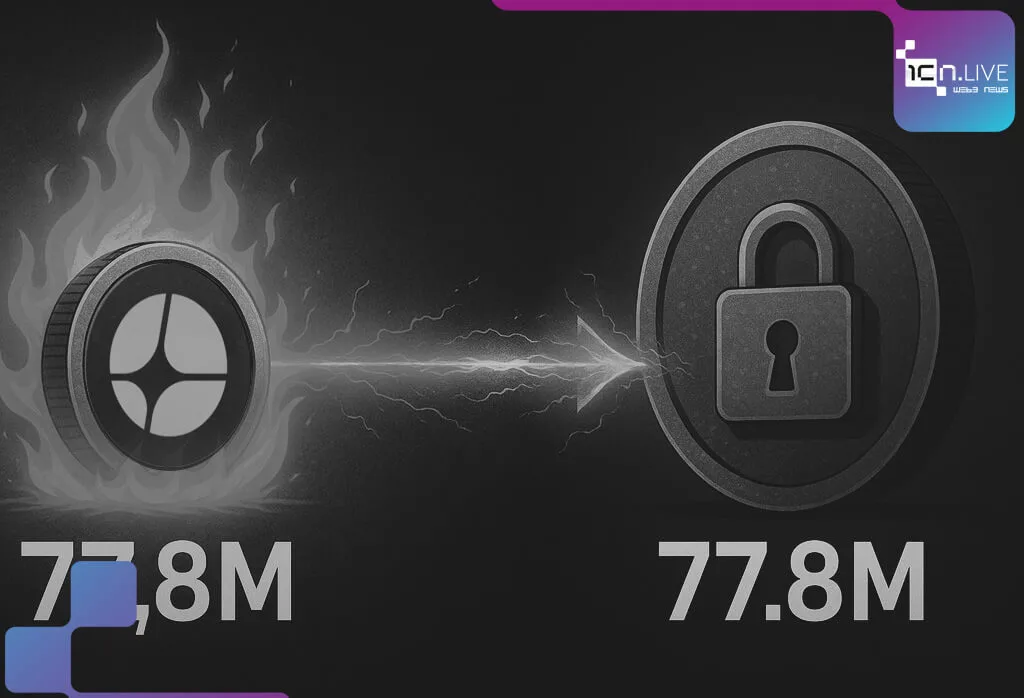
Aster burned 77.8 million Aster tokens in its S3 buyback program.
-
The same number of tokens were moved to a locked airdrop wallet.
-
Aster continues its S4 buyback program to stabilize supply.
-
The roadmap includes a layer 1 network and new DeFi utilities.
Aster’s token buyback activities have captured wide attention across the DeFi community.
The multi-chain DEX backed by YZi Labs recently burned about 78 million Aster tokens, while locking an equal number in a special airdrop wallet. This move reinforces Aster’s commitment to its holders and highlights its focus on sustainable supply management.
The S3 buyback program marked another milestone in the project’s broader plan to enhance value for long-term supporters. With half of the repurchased tokens now reserved for future airdrops, Aster aims to strengthen community engagement and reduce token circulation. The burn permanently removed millions of tokens from the market, tightening supply while signaling confidence in the ecosystem’s growth potential.
Aster token burn supports long-term stability
The Aster token burn directly aligns with the project’s supply reduction strategy. By executing regular buyback programs, Aster ensures that its tokenomics remain sustainable. The latest S3 round balanced value creation with user rewards, showing a blend of scarcity and incentive.
From my standpoint, this dual approach helps create a more resilient token economy. Investors often respond positively when projects reduce total supply in transparent ways. Aster’s communication about each phase of its buyback program has added a sense of reliability to its roadmap. The locked airdrop wallet, meanwhile, ensures that a portion of tokens will serve future community growth instead of being instantly redistributed.
The team confirmed that the S4 buyback is already underway. This consistency builds trust among users and signals a strategic focus on maintaining price stability, especially during volatile periods in the crypto market.
ANOTHER MUST-READ ON ICN.LIVE
Kraken’s Tokenization Play Expands with Backed Finance Ahead of 2026 IPO
Focus shifts to Aster’s layer 1 network and DeFi growth
Beyond token management, Aster revealed its roadmap for the first half of 2026. The major highlight is the launch of its own layer 1 network, which will power the next generation of decentralized applications. This network aims to deliver faster transactions and improved interoperability across ecosystems.
The roadmap also introduces Aster Code, a toolkit for builders, along with governance mechanisms and staking features. These developments will expand Aster’s position as a multi-chain DEX platform that values innovation and user participation. The integration of fiat on/off ramps will also help bridge traditional finance and decentralized trading, making it easier for users to move assets in and out of crypto.
In my analysis, this evolution positions Aster among the growing number of DeFi projects pursuing full-stack ecosystems. The combination of a native chain, staking, and governance suggests a long-term ambition to compete with established platforms while rewarding early participants through continuous airdrops.
Airdrop strategy strengthens user engagement
The decision to lock 77.8 million tokens in an airdrop wallet shows Aster’s dedication to rewarding loyal holders. Such moves not only promote community participation but also ensure a fairer token distribution. By controlling release timing, Aster avoids the market pressure that sudden large drops can cause.
The S3 and S4 buyback programs serve as mechanisms to manage both token demand and community engagement. This steady rhythm of buybacks and burns has made Aster one of the more consistent DeFi projects in maintaining economic balance.
At the time of reporting, Aster was trading slightly above $1, showing resilience even as broader markets softened. The focus on transparency, combined with its upcoming layer 1 network and enhanced DEX utilities, points toward a strategic shift from short-term price movements to sustainable growth.
Overall, Aster’s token buyback activities reflect a clear plan to blend scarcity with utility, ensuring that the ecosystem remains both vibrant and valuable for its users.