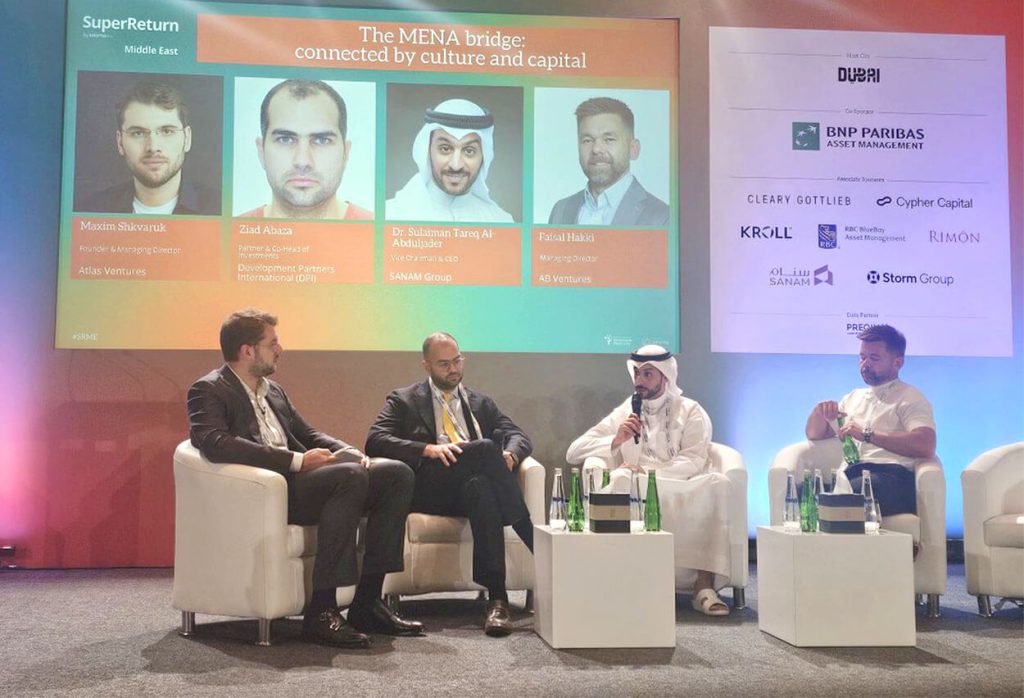
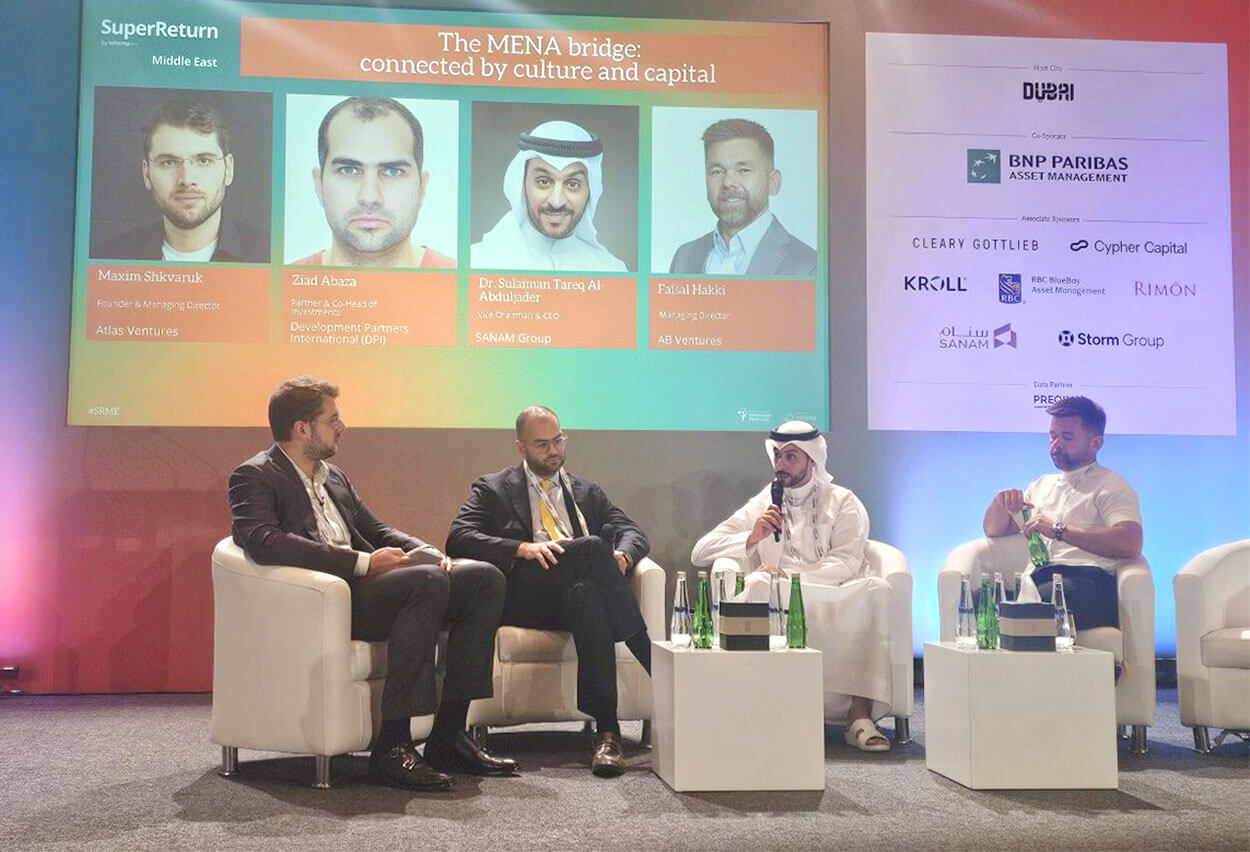


Dubai | October 2026 -17 October – At a time when the international economic landscape is undergoing profound structural transformation, SuperReturn Middle East 2026 represents an important platform for examining the changing dynamics of global capital allocation, institutional investment, financial resilience and the expanding strategic influence of Gulf Cooperation Council (GCC) economies.
ICN.live was invited as a business media partner to cover this strategic event and experience the insightful outcomes.
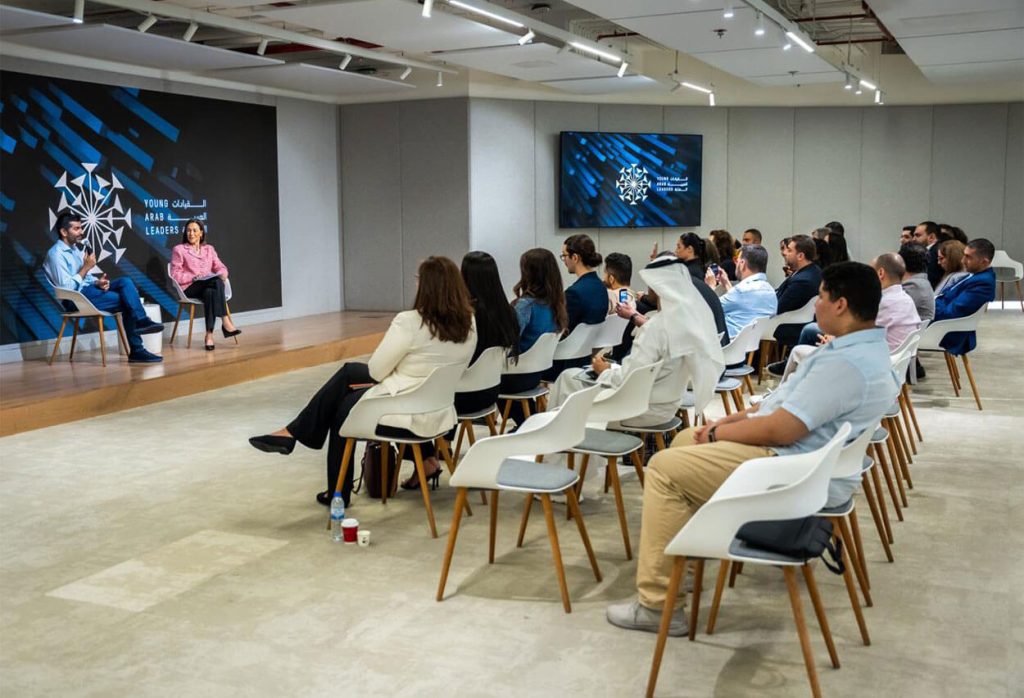
The conference brought together leading private equity executives, sovereign wealth fund representatives, institutional investors, family offices, asset managers and international investment specialists, creating an environment for high-level discussions on the future of private capital markets and cross-border investment cooperation.
The significance of this gathering extends beyond conventional financial networking. It reflects the growing recognition of the GCC as an influential centre for global capital formation, investment intermediation and long-term economic transformation.
In an increasingly fragmented global economy, characterised by geopolitical uncertainties, trade realignments, fluctuating financing costs and accelerated technological disruption, the ability of economies to attract, mobilise and efficiently deploy capital has become a critical determinant of economic competitiveness.
For the UAE and the wider Gulf region, the conference therefore provided an opportunity to demonstrate how economic diversification strategies, sophisticated regulatory frameworks and institutional investment capabilities are contributing to a more resilient and internationally integrated investment ecosystem.
Three Days of Strategic Dialogue on the Future of Private Capital
Organised by Informa Connect, the conference took place from 13 to 15 October 2026 at The Ritz-Carlton, Dubai International Financial Centre, attracting more than 450 investment professionals, including over 200 limited partners and 150 general partners representing more than 40 countries.
The participation of major investment institutions, including Abu Dhabi Investment Authority, Mubadala Investment Company, Saudi Arabia’s Public Investment Fund, Investment Corporation of Dubai, Temasek, the International Finance Corporation and leading international asset managers, illustrated the institutional significance of the gathering.
The conference’s diverse programme addressed the fundamental relationship between capital availability, investment productivity, risk-adjusted returns and sustainable economic development.
First Day: Private Credit, Sovereign Capital and Financial Innovation
The opening day, 13 October, featured specialised summits covering fundraising, private credit, infrastructure investment, family offices, artificial intelligence and venture capital.
One of the principal discussions examined the changing architecture of private credit markets and their growing importance as alternative financing channels alongside conventional banking institutions.
The expansion of private credit represents a structural development in financial intermediation, potentially increasing financing accessibility for middle-market companies while introducing additional considerations regarding liquidity management, credit underwriting, and systemic risk transmission.
Another important discussion addressed the investment strategies of sovereign wealth funds, particularly their evolving responsibility to balance international portfolio diversification with domestic economic development priorities.
Speakers including Dr Karim El Solh, Co-Founder and CEO of Gulf Capital; Nader AlBastaki, Managing Director of Dubai Future District Fund; and Nader Salman, Managing Director at Permira, contributed to the programme examining investment opportunities, sovereign capital deployment and the institutional requirements of competitive private markets.
These discussions highlighted the importance of transitioning from conventional capital accumulation towards sophisticated investment models capable of generating productivity improvements, technological capabilities and sustainable economic returns.
Second Day: Geopolitical Risks and the Transformation of Institutional Investment
The second day, 14 October, placed considerable emphasis on the relationship between geopolitical developments, macroeconomic uncertainty and global investment behaviour.
The discussion entitled “Fault Lines: Power, Politics and the New Global Order” examined the implications of geopolitical fragmentation, shifting international alliances, inflationary pressures, currency volatility and changing monetary conditions.
From an economic perspective, these developments reinforce the importance of incorporating geopolitical risk premiums, scenario-based stress testing and dynamic asset allocation into institutional investment frameworks.
Another significant discussion, “The LP Reset,” addressed changing investment preferences among limited partners, particularly the increasing importance of portfolio diversification, manager selection, liquidity discipline and long-term strategic alignment. The programme also examined family offices as increasingly sophisticated institutional investors, reflecting the transition of private family wealth towards professionally governed investment structures.
Such developments are particularly relevant to GCC economies, where family-owned enterprises and private investment institutions represent important components of domestic capital formation, entrepreneurship financing and intergenerational wealth preservation.
Third Day: GCC Investment Competitiveness and International Capital Corridors
The concluding day, 15 October, expanded the discussion towards global investment connectivity and the strategic positioning of individual GCC economies. The session “UAE: The Centre of Gravity” examined the Emirates’ expanding role as a global destination for financial capital, international talent and institutional investment.
This positioning reflects the economic importance of regulatory predictability, financial-market sophistication, advanced infrastructure and internationally connected business ecosystems.
The session on India–GCC economic relations addressed opportunities emerging from industrial cooperation, technological capabilities, investment partnerships and the restructuring of international supply chains.
Additional discussions explored investment corridors connecting the GCC with Türkiye, Central Asia, Africa and Europe, demonstrating the region’s increasing relevance as a strategic intermediary between developed and emerging markets.
Particular attention was directed towards “The GCC’s Strategic Powerhouses,” featuring Sara Nayef Al-Ateeqi, Vice Chairman and CEO of Al Mal Investment Company, and Rana Abdel Latif, Partner at Speedinvest.
The discussion examined the evolving investment positions of Bahrain, Kuwait, Qatar and Oman, highlighting opportunities for economic diversification, private-sector participation and greater international investment visibility. The session’s significance lies in recognising that GCC investment competitiveness should not be evaluated exclusively through sovereign asset volumes or financial-market size, but also through capital productivity, institutional efficiency, sectoral diversification and the capacity to generate sustainable economic value.
The concluding programme also explored China–Middle East investment partnerships, artificial intelligence, gaming and tourism as emerging investment sectors capable of supporting economic diversification and knowledge-intensive growth.
The Strategic Importance of Speakers and Institutional Participation
The participation of senior executives from leading investment institutions, including Actis, Investcorp, BNP Paribas Asset Management, Stonepeak, Permira and Development Partners International, strengthened the conference’s relevance as a platform for international investment dialogue.
Their involvement was particularly important because institutional investment decisions increasingly depend on more than financial valuations. They require sophisticated assessments of regulatory environments, governance quality, geopolitical exposure, technological transformation and long-term economic fundamentals. Equally significant was the interaction between sovereign investors, family offices, development finance institutions and private equity managers.
Such engagement can facilitate investment partnerships, improve access to international capital and strengthen the institutional infrastructure necessary to support entrepreneurial growth and middle-market business expansion.
Economic Implications for the GCC and the UAE
SuperReturn Middle East 2026 demonstrated the growing importance of private capital markets in supporting the next phase of Gulf economic transformation.
For the UAE, the conference’s themes align with the objectives of the Dubai Economic Agenda D33 and the broader national commitment to strengthening economic diversification, international investment competitiveness and innovation-driven growth.
For the wider GCC, the discussions highlighted opportunities to deepen regional capital-market integration, expand private-sector financing mechanisms and accelerate investment into high-productivity economic sectors.
An increasingly important policy priority will be ensuring that capital mobilisation translates into measurable economic outcomes, including employment generation, export competitiveness, technological advancement and higher value-added production. This requires moving beyond investment-volume indicators towards performance frameworks incorporating capital efficiency, productivity growth, investment additionality and long-term socioeconomic returns.
Conclusion: From Capital Attraction to Sustainable Economic Value
The three-day conference reinforced the strategic importance of the GCC within an evolving international investment architecture.
As global investors reassess geographic exposure, portfolio resilience and long-term growth opportunities, Gulf economies are increasingly positioned to benefit from their financial resources, institutional capabilities and expanding international partnerships.
Ultimately, the region’s future investment competitiveness will depend not merely on its ability to attract international capital, but on its capacity to transform financial resources into productive investment, diversified economic activity, technological leadership and sustainable long-term prosperity.
SuperReturn Middle East 2026 provided an important forum for advancing that strategic conversation and strengthening the investment relationships required to support the next generation of regional economic growth.