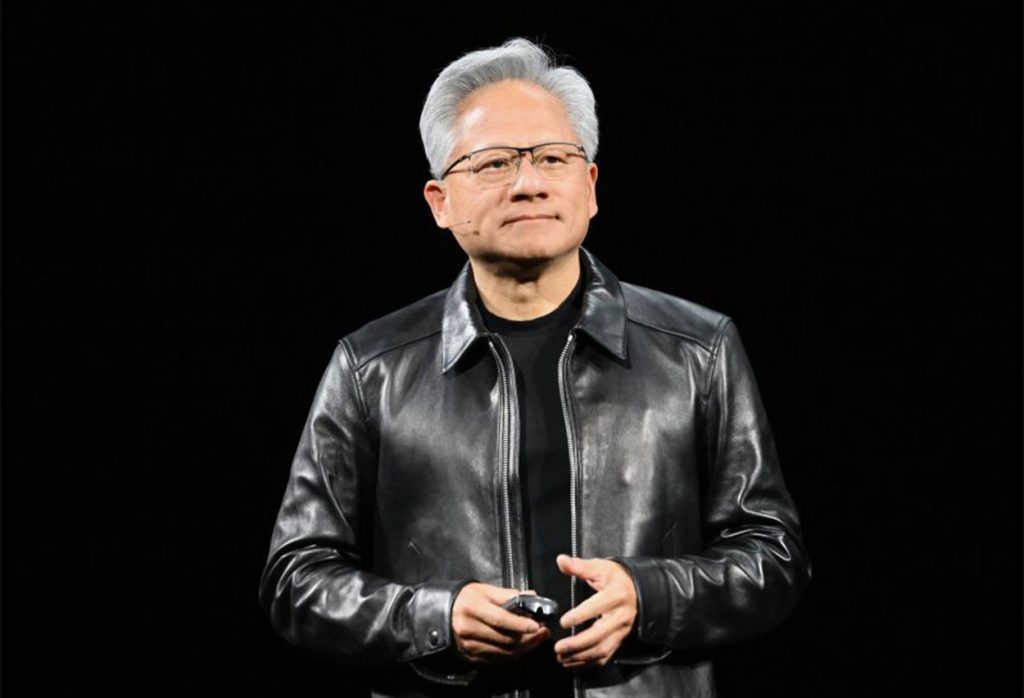
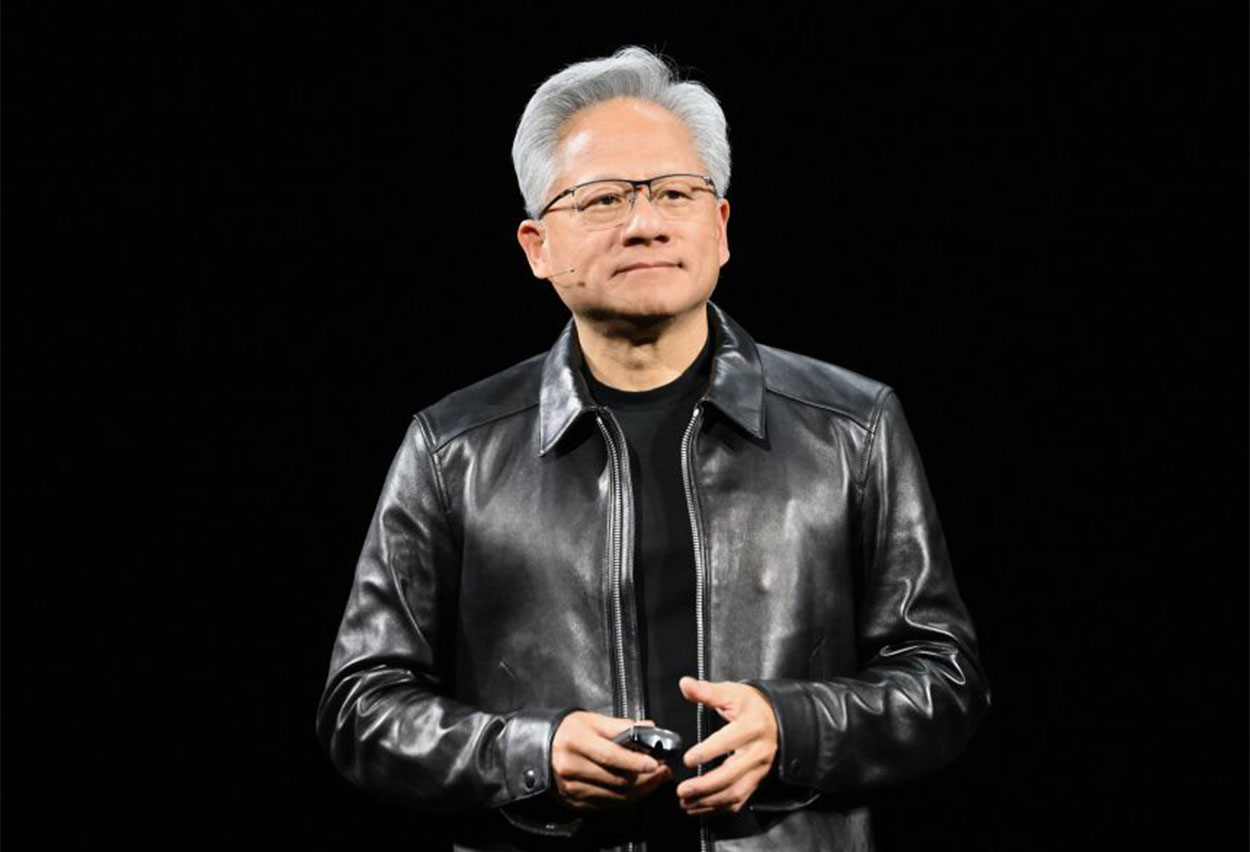



Jensen Huang resigned as president and chief executive of Nvidia on Thursday, ending a run of more than three decades at the company he helped start in 1993. The board accepted his departure as a director as well, with immediate effect. In his place, it appointed Colette Kress, the company’s executive vice president and chief financial officer, to serve as interim chief executive. Kress will hold both titles until a permanent successor is named. For a firm that built its identity around one founder, the handover arrives without a rehearsed plan. In the hours after Jensen Huang resigned, the board moved to steady the business and signal continuity to customers and markets.
Why Jensen Huang resigned
The official announcement gives no reason for the exit, framing it as a resignation and thanking Huang for his contribution. News reporting tells a fuller story. In the days before the announcement, Huang reportedly acknowledged a romantic relationship that had drawn scrutiny from United States officials. Some reports, led by The New York Times, linked the woman involved to concerns about Chinese intelligence, a description Beijing rejected as a smear campaign. The board had faced growing questions about his position, and the share price had already slipped on reports it was weighing his future. None of the public filings connect the resignation to those events directly, so the precise cause under which Jensen Huang resigned rests on reporting rather than formal disclosure.
Colette Kress takes the interim role
Colette Kress joined Nvidia in September 2013 and has led its finance organization through years of rapid expansion. Before Nvidia, she spent close to 25 years in senior finance roles at technology companies, including Cisco and Microsoft. Her appointment gives the company a steady hand familiar with its customers, operations, and numbers while the board looks further afield. Kress has signaled that her priority is continuity, keeping Nvidia focused on its work in accelerated computing and artificial intelligence and on its commitments to customers, partners, and shareholders. She takes the role at a tense moment, with the company’s leadership and its reputation both under examination. As one of Nvidia’s longest-serving senior executives, Kress is a known quantity to the investors now watching the transition closely.
The Nvidia board of directors asserts control
Alongside the leadership change, the Nvidia board of directors appointed Harvey Jones as its first chair, a post the company had never filled. Jones brings more than 30 years as an entrepreneur, technology executive, and investor, including spells as chief executive and executive chairman of the chip design firm Synopsys. The decision to install an independent chair, separate from the chief executive, changes how Nvidia is governed. For most of its history, authority sat with the founder, who concentrated decision-making in his own office. Splitting the top roles gives the board a clearer line of oversight at the point it needs one. Huang leaves the board and the executive suite, though he remains a sizeable shareholder, holding roughly 3.5 percent of the company, which keeps some influence in play.
What the Nvidia stock reaction signals
Investors reacted fast. Nvidia stock dropped at Thursday’s open, and the company’s market value fell below 4 trillion dollars in early trading. The move reflected a simple worry. Huang served as chief executive and as the public face of Nvidia to its biggest customers and to the market, and his exit removed a figure investors had treated as inseparable from the company’s rise. The sell-off does not point to any change in the products themselves. It points to uncertainty about leadership, and to the premium investors had attached to one person. Whether Nvidia stock steadies will depend on how smoothly the interim team holds the business together and how quickly a permanent chief is named.
The question of who governs Nvidia next
The board has started a search for a permanent chief executive and will look at internal and external candidates. Inside the company, reporting has floated several senior names as possible contenders. The choice of Nvidia’s next CEO carries weight beyond one appointment. The AI chipmaker sits at the center of the global build-out of artificial intelligence, supplying the processors that train the largest models for cloud providers and governments alike. Who becomes Nvidia’s next CEO will shape how a company of that reach is run, and how much power rests with any single leader again. For now, the board has chosen caution, pairing an interim chief with its first independent chair rather than naming a permanent successor under pressure.
What comes next on the calendar
Nvidia will report its third-quarter results for fiscal 2027 on Tuesday, November 17, as previously scheduled, with an earnings call to follow. The timing puts the new leadership in front of investors within days, and the numbers will arrive against the backdrop of the transition rather than apart from it. Kress, as both interim chief and finance chief, will speak to results she helped prepare. The board’s message has been one of steadiness, with a stated expectation that operations, customer commitments, and the product roadmap continue without a break. The coming weeks will test that promise, and the market’s patience with it.