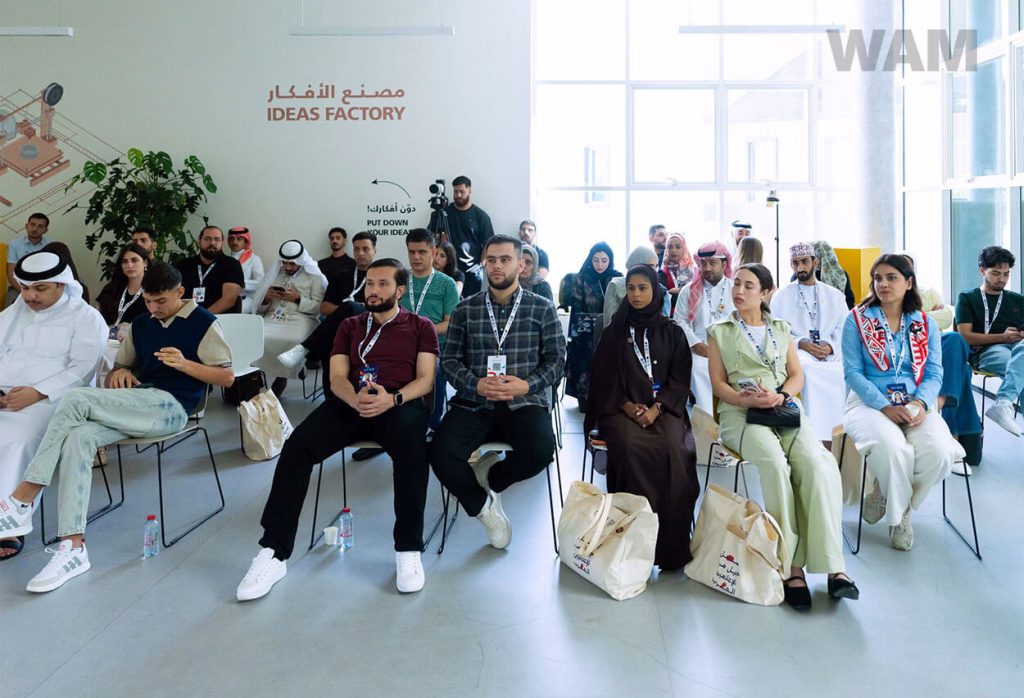
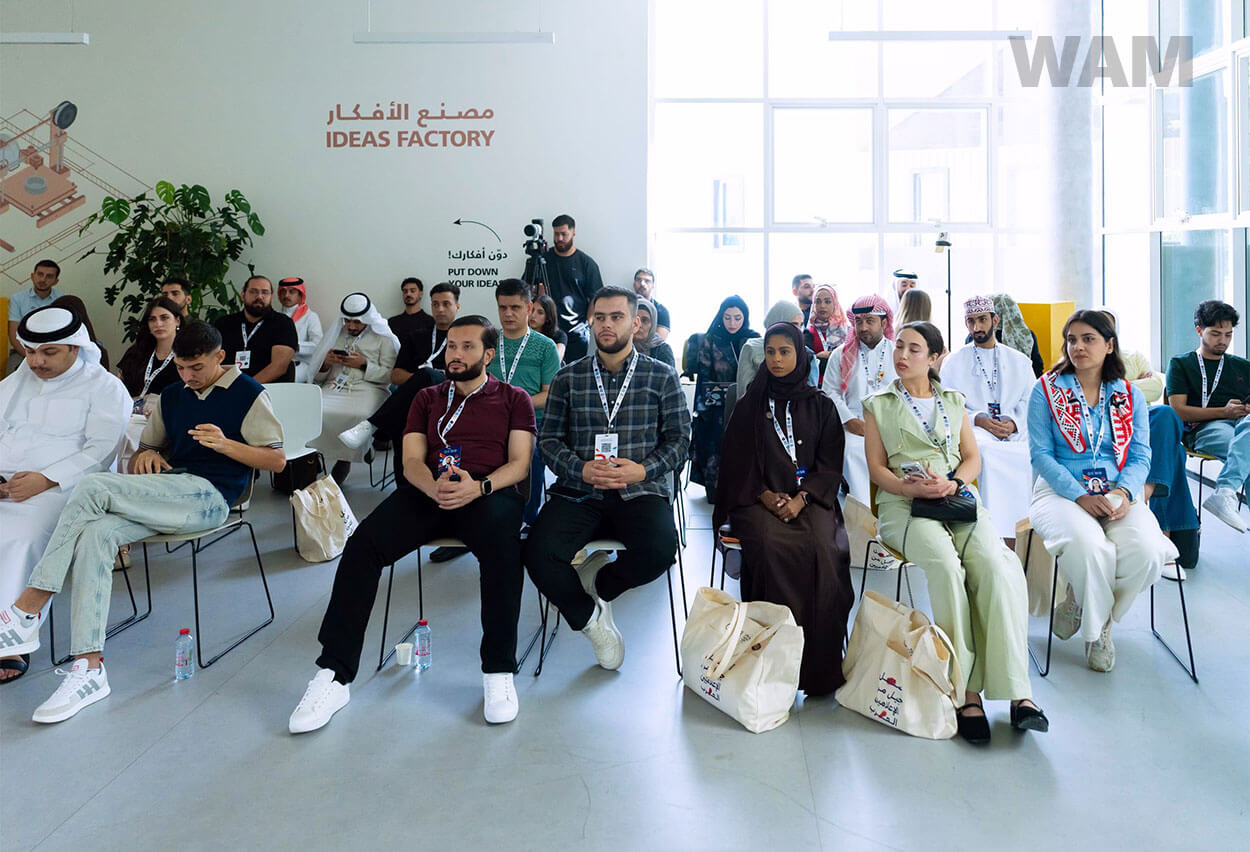


Arab media talent development took a practical turn this autumn when the National Media Authority and TikTok held a joint training session for young creators from across the region. The session sits within the eighth edition of the Young Arab Media Leaders Programme. It gave participants direct instruction in how short-form video works, how live streaming builds an audience, and how digital tools shape the way a story reaches people. The aim was to connect what these creators already know with the platforms where most of their audience now spends time.
A programme built on partnership
The Arab Youth Centre runs the programme from 27 September to 14 October, bringing together young people from Arab countries for a fixed period of hands-on learning. The NMA framed its role as part of a wider effort to back emerging talent through tie-ups with digital platforms. These partnerships open access to training, structured learning, and the exchange of knowledge between creators and the companies that run the platforms they publish on.
That structure matters for how Arab media talent development is approached here. Rather than teach theory alone, the session put creators in front of the tools and walked them through the mechanics. Short-form video sat at the centre. So did live streaming, which carries its own set of skills around holding an audience and keeping a community engaged in real time.
What the officials said
Mohammed Saeed Al Shehhi, Vice Chairman of the NMA, said investing in young talent was essential to building responsible and influential Arab media. He pointed to the need to match media training with the pace of technological change and the demands of the industry. The goal, in his framing, is to help young people produce credible content that reflects their identities and community values while still reaching audiences through newer methods.
Al Shehhi added that working with digital platforms gives young people a route to real experience and a clearer grasp of how content gets made and distributed. He tied technical ability to professional duty. Combining the two, he said, strengthens a creator’s capacity to verify information, hold public trust, and sustain a presence over time rather than chase a single viral moment.
Fatima Al-Halami, Executive Director of the Arab Youth Centre, said the programme sets out to equip young media professionals with research, analytical, and leadership skills alongside the basics of the craft. She said the session blends journalism fundamentals with an understanding of where the industry is heading, so participants can use current storytelling methods to present their work and widen their reach.
TikTok’s stake in the session
Kinda Ibrahim, General Manager of Content Operations at TikTok for EMEA, welcomed the collaboration with the NMA and the Arab Youth Centre. She said the partnership aimed to give participants the skills and tools to tell their own stories, express their cultures, and connect with audiences in a meaningful way. The framing kept the focus on the creators rather than the platform.
Ibrahim said the session offered practical insight into content creation and audience engagement, with an emphasis on using modern technology responsibly. She described TikTok’s commitment as support for a generation of Arab media talent that pairs creativity with credibility and adds to the quality of digital content across the region. For a company whose core product is short-form video, the alignment with a structured training programme gives it a direct line to the next wave of regional creators.
Inside the training
The session worked across three defined areas. The first was digital content creation and storytelling built around short-form video, the format that drives most engagement on the platform. The second was live streaming on TikTok, covering how creators engage an audience and build online communities that return. The third dealt with the platform’s business solutions, the tools a creator or brand can use to grow and strengthen ties with the people watching.
The training also set out best practices for producing content that is both creative and responsible. That balance runs through the whole programme. Organisers want young Arab media leaders who can keep pace with how digital media is changing without losing the standards that keep audiences trusting what they see. The pairing of a government media authority with a global platform signals how seriously both sides treat the pipeline of regional talent.
Why the approach is structured this way
The method reflects a clear sequence. Teach the mechanism first, then make the stakes plain. A creator who understands how short-form video and live streaming function is better placed to use them well, and better placed to spot where accuracy can slip. By folding fact-checking and verification into the same session as production skills, the programme treats credibility as part of the craft rather than an afterthought. That is the thread tying Arab media talent development to the practical work these participants will carry back to their own communities.