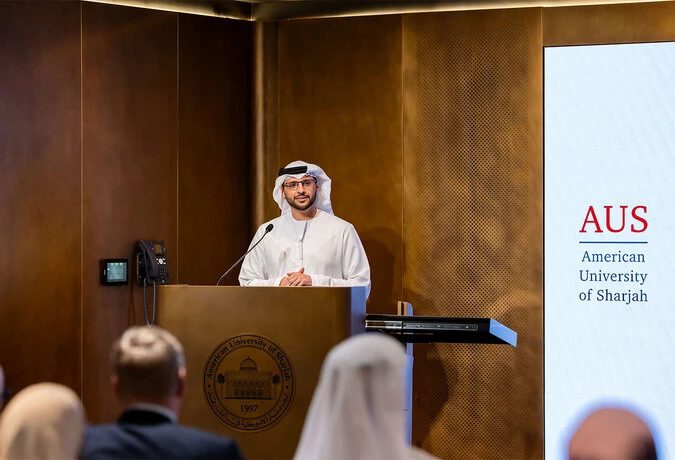


Four students now carry a title few of their peers hold. The AUS Youth Embassies, launched on November 14, hand students something closer to a working brief than an honor. Each one represents a country. Each one is expected to build real projects with it.
American University of Sharjah inaugurated four founding embassies at a campus event hosted by Community Connect, the university’s platform for structured engagement with institutions around the world. The embassies cover Bahrain, India, Morocco, and Russia. The idea is simple to state and harder to do. Give young people a reason to study a country closely, listen to its people, and turn what they learn into cooperation that lasts.
What the embassies actually do
The program treats youth diplomacy UAE efforts as hands-on work rather than ceremony. Students research the countries they represent. They open channels with partners. They design collaborative projects meant to strengthen ties between the UAE and the nations on their roster. Community Connect provides the structure, pulling outside voices into dialogue with students and framing each exchange as applied learning instead of a one-off talk.
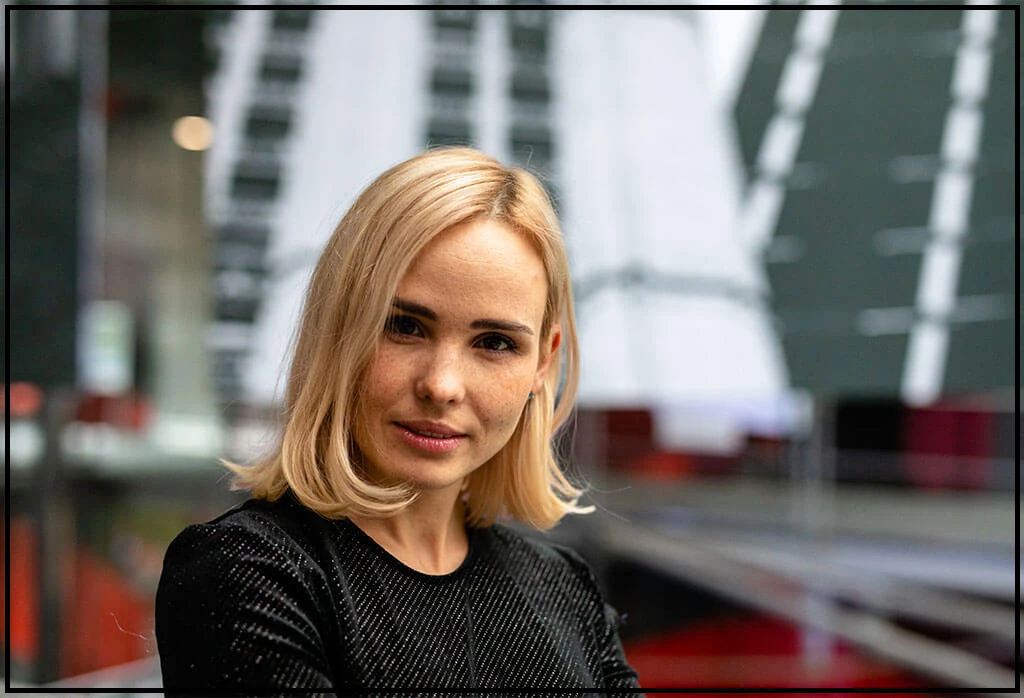
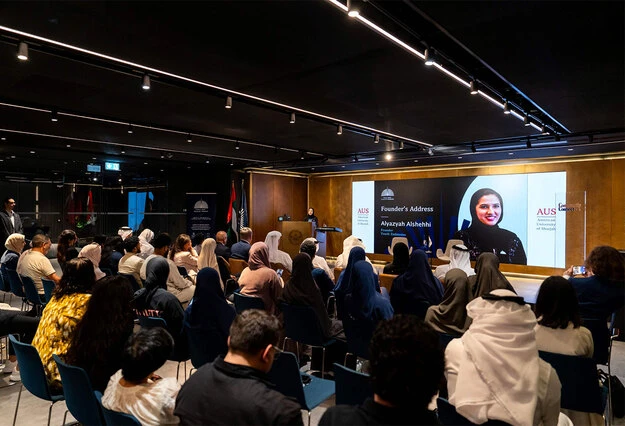
Alyazyah Ebrahim Al Shehhi, an international studies student at AUS, founded the initiative and laid out its thinking at the launch. The ambassadors are students too. Izma Fatima represents the Youth Embassy of India. Meryam Nakkabi, a master’s student in international studies, leads the Morocco embassy. Hasan Hashem, who studies civil engineering, holds the Bahrain post. Asiia Aleeva, a supply chain management student, represents Russia. Each gave a short presentation on their country to the dignitaries in the room.
Why the model matters now
AUS Chancellor Dr. Tod A. Laursen used his opening remarks to argue that cooperation between nations cannot rest on governments alone. He said it has to grow from relationships between people, from mutual understanding, and from a willingness to hear views that differ from your own. The four founding embassies, in his framing, exist to give students a place to do exactly that.
The National Youth Address came from H.E. Khalid Mohammed Al Nuaimi, Director of the Federal Youth Authority. He put the case plainly.
H.E. Al Nuaimi said: “A young person who understands diplomacy can become a bridge between communities. When students study different societies, listen directly to their people and build projects together, they create the human foundations of cooperation. The Youth Embassies turn that responsibility into a real opportunity for AUS students.”
This fits a wider pattern of youth empowerment in UAE programs that push young people toward diplomacy and international affairs early, well before they would normally reach such roles. The embassies narrow that path to the campus itself.
A conversation about the long game
A fireside chat featured H.E. Omar Saif Ghobash, Advisor to the UAE Minister of Foreign Affairs and Ambassador of the UAE to the Holy See, who also sits on the AUS Board of Trustees and mentors the initiative. Ahmed Al Qassimi, an international studies student and Cultural Attaché of the Russian Youth Embassy, moderated.
H.E. Ghobash said: “Enduring relationships between nations is carried forward by people who know one another, trust one another and can speak across differences. The Youth Embassies give students the chance to begin building those ties now and to shape a more connected future through curiosity, respect and sustained engagement.”
The program also ran an Arabic-language masterclass on leadership and crisis communication, led by Ahmed Saeed Al Alawi, Editor-in-Chief of CNN Business Arabic and Al Ain News. He told students that in uncertain moments, words shape what people understand and whom they trust, and that those habits can be built long before anyone enters public life. For American University of Sharjah youth, the message landed close to home. The embassies give them a place to practice.
The UAE international cooperation agenda has leaned on youth engagement for years. What AUS has done is give a handful of students a standing role, a country to know, and a mandate to produce something from it.