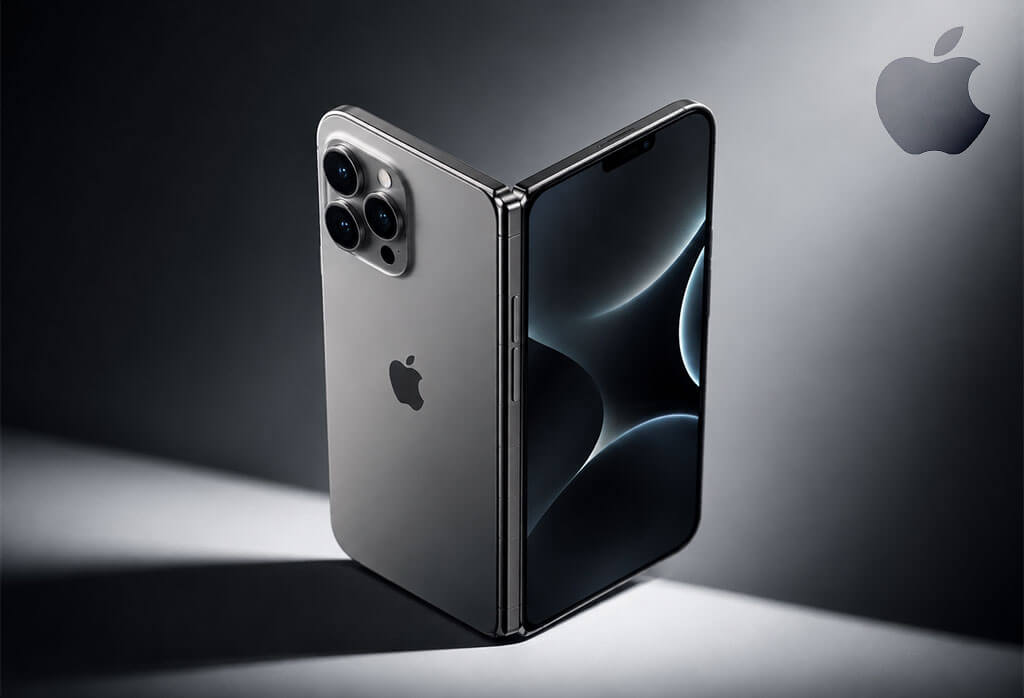



The foldable iPhone cost that shoppers have wondered about for two years finally has a figure behind it. Citi’s Atif Malik put the starting price above $2,000 in a note to investors. That would make Apple’s first folding phone the most expensive it has sold. Malik expects the device at the company’s September 9 keynote, next to a new set of Pro models.
A price shaped by the chip shortage
Malik’s estimate rests on more than a premium badge. The foldable iPhone cost reflects a tight supply of memory chips, the same parts AI data centers are buying in bulk. Prices for that memory have climbed hard through 2026. Apple feels the strain. The company gave cautious revenue guidance in late July because it could not source enough memory to meet demand. Suppliers such as SK Hynix, Samsung, and Micron have sold much of their premium AI memory through 2026, as Nvidia, Microsoft, Amazon, and Meta race to build data centers.
Tim Cook, who ran Apple for 15 years before moving to executive chairman on September 1, described the squeeze plainly. He called the memory market “a 100-year flood” on his final earnings call as chief executive, pointing to memory prices rising at an exponential pace. Higher chip bills reach the price tag, and the foldable sits at the top of the range.
What Apple shows on September 9
Apple attached the tagline “Surprise and shine” to its September 9 event at the Steve Jobs Theater. It will be the first product launch led by John Ternus, the hardware engineer who took over as chief executive this month. Widely expected to carry the name iPhone Ultra, the foldable headlines the event, with new Apple Watches and refreshed AI software beside it.
The iPhone Ultra release date sits at the center of the chatter, though Apple rarely ships a device the moment it reveals one. Reports point to thin early supply, with production of only a few hundred units a day at the start. Buyers hoping to fold a new iPhone in September may wait weeks past the reveal.
Where the foldable iPhone cost lands against rivals
The foldable iPhone cost would put Apple a step above the field it is entering. Samsung’s Galaxy Z Fold 8 sells near $1,899, and Google’s folding Pixel sits below that. Set against those, the iPhone Ultra price carries a modest premium, one Apple will ask buyers to pay for a first-generation product.
Shoppers eyeing the standard lineup face higher numbers too. The iPhone 18 Pro price is expected to climb about $200 over last year’s model, pushed by the same memory costs. Bigger storage would push the number higher still, matching the pattern of Apple’s current Pro tiers. Anyone weighing the foldable iPhone price against a conventional Pro will find a wide gap, one that could give buyers pause before they commit.
The numbers behind the launch
Citi does not expect heavy volume at the start. Malik estimates Apple will sell about 5 million foldables in the second half of 2026, then 2.3 million more in the first quarter of 2027. Those figures are projections, and other Citi notes have carried different splits, so the early sales picture stays open.
For Apple, the release reads as a test. A foldable iPhone costing this high reaches a narrow slice of buyers, at least in the first year. The larger question is whether Ternus can protect Apple’s margins while memory stays dear, a problem Cook expects to run well into next year.